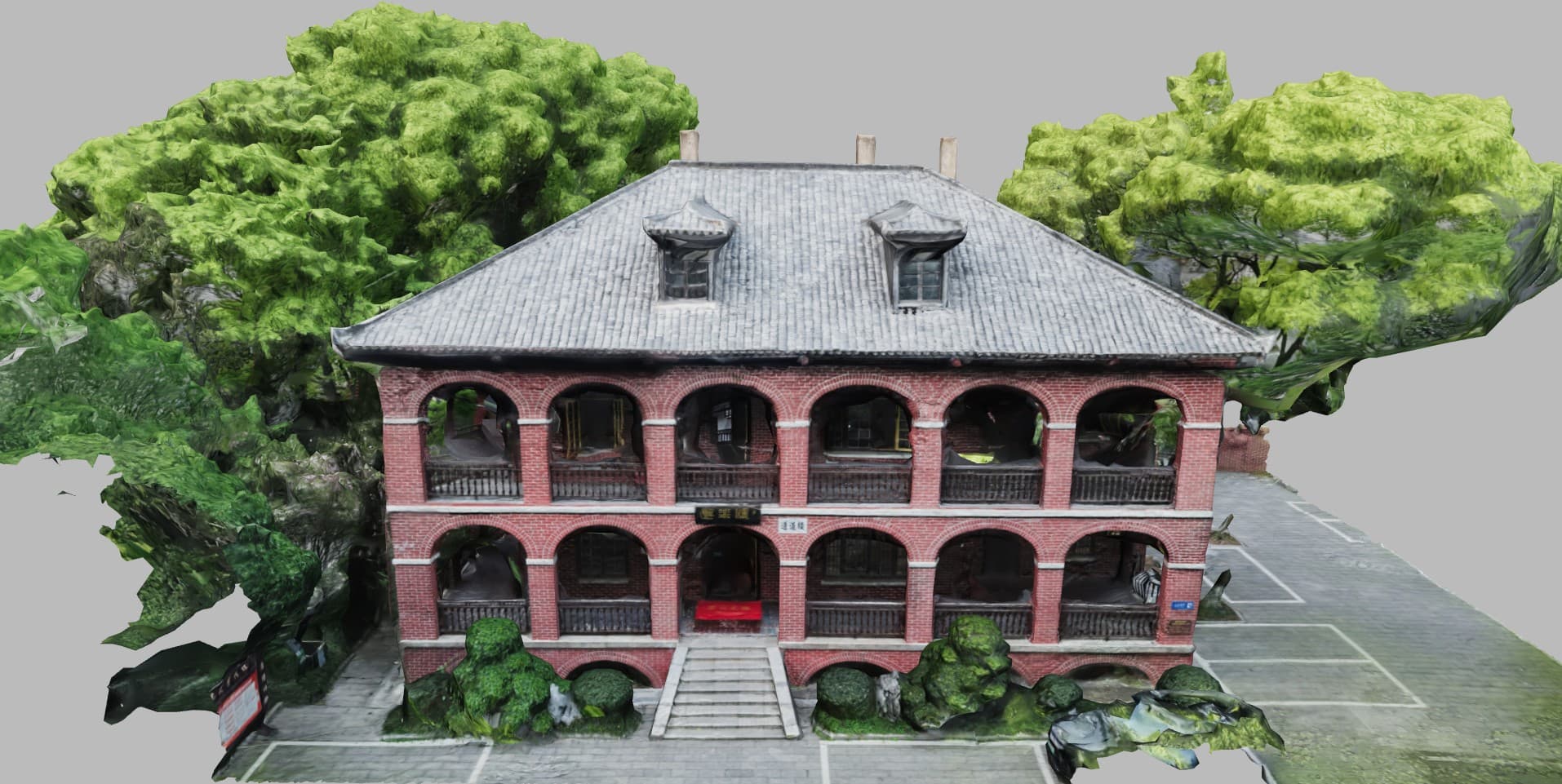
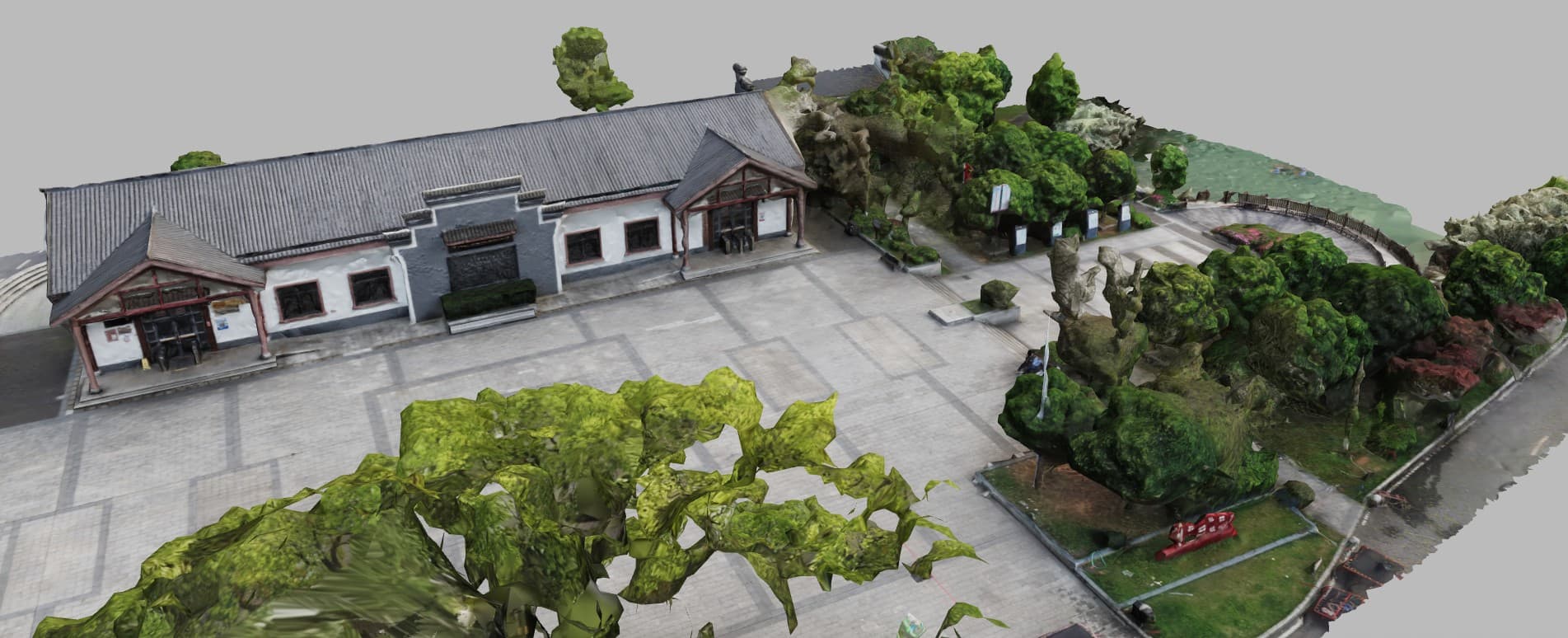
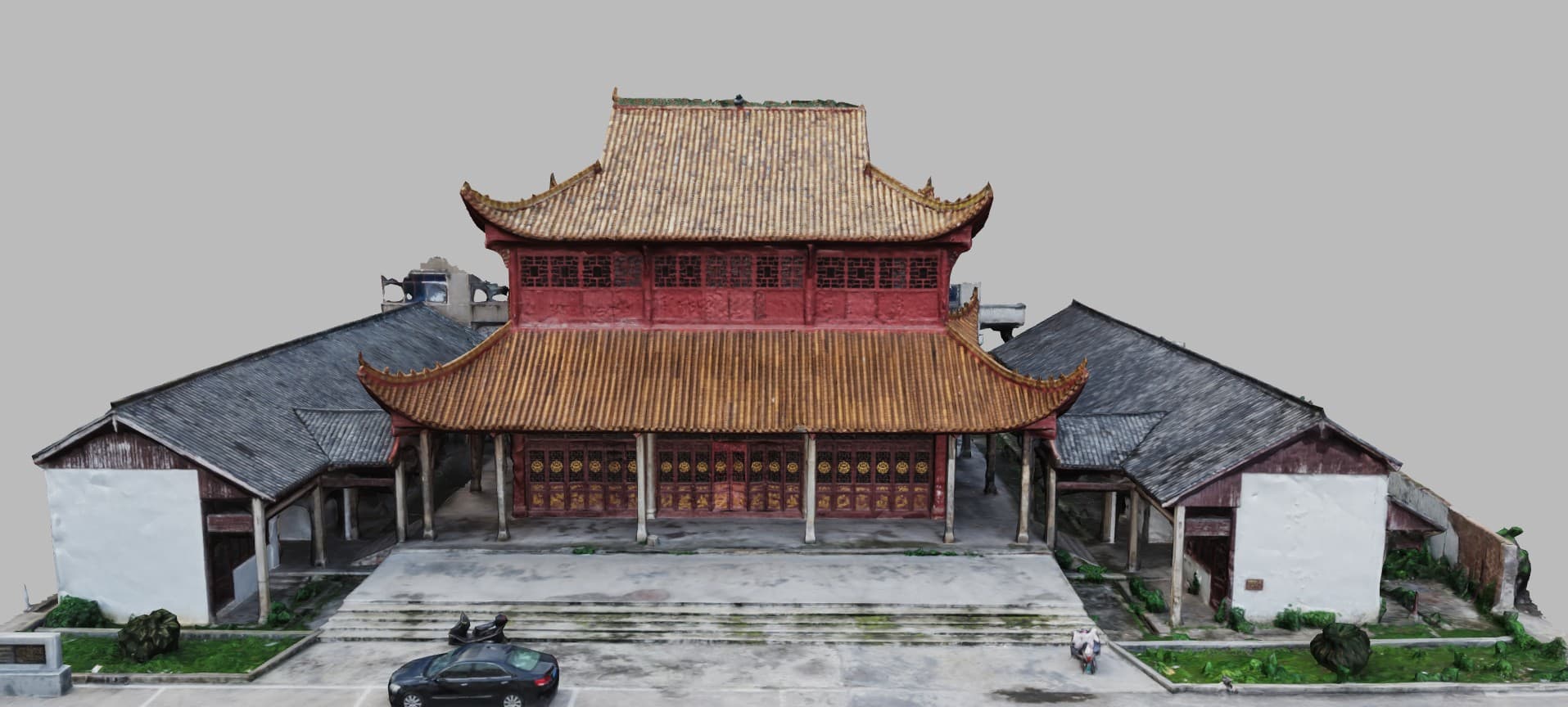
At No. 30 Dongzheng Street, the Liling Xiannong Altar stands as a quiet junction of imperial ritual and revolutionary history. First raised in 1727 near Wulipai to honor Shennong, the patron deity of agriculture, the original temple fell to a devastating flood in 1826. In 1905, local builders resurrected the altar at its current urban site, laying down the blue brick floors, red-painted walls, and green-glazed tiles that endure today.
Step onto the elevated stone ceremonial platform, where Qing dynasty magistrates once initiated the spring planting rites. The air here carries the memory of ancient soil. To the east lay the Qichun Plain, where crowds gathered around clay statues of the Spring Ox to welcome the farming season. The architecture follows a strict East Hunan courtyard layout. The main hall rises under a double-eaved hip roof, its heavy timber beams resting on stone foundations.
In January 1927, Mao Zedong lived and worked in these rooms for five days. The altar served as the headquarters for the Liling County Peasant Association. Here, Mao met with local party secretaries and peasant leaders, filling notebooks with the raw testimonies of rural life. These conversations formed the foundation of his Report on an Investigation of the Peasant Movement in Hunan.
Today, the site is a National First-Class Museum. Adjacent to the historic 950-square-meter altar, three brick exhibition buildings from 1977 stand connected by covered wind-and-rain corridors. Inside, the collection bridges the earth and the kiln. Among its treasures is a National First-Class cultural relic: a porcelain statue of Mao Zedong, fired using Liling’s signature underglaze five-color technique. The smooth, luminous glaze of the porcelain contrasts with the weathered wood of the altar, offering a physical record of Liling's journey from imperial farming rituals to revolutionary organizing and world-class ceramic artistry.