In August 1899, laborers began laying the iron spine of Hunan’s first railway. The project, spearheaded by Sheng Xuanhuai and Zhang Zanchen, aimed to move coal from the Pingxiang mines in Jiangxi to the Hanyang Iron Works in Hubei. The American chief engineer advocated for a cheap, narrow sixty-centimeter track. Zhan Tianyou, the pioneering Chinese engineer, fought for the standard four-foot-eight-and-a-half-inch gauge, ensuring the line could handle heavy traffic. On August 20, 1903, the Yangsanshi Railway Station opened, and three days later, the first steam locomotive chugged into Liling.
In 1927, the young revolutionaries Chen Jue and Zhao Yunxiao lived in the nearby railway worker dormitories, writing letters and organizing local movements under the cover of night. That same year, Mao Zedong stepped off a train here to begin his investigation of the Hunan peasant movement. Decades later, in May 1965, Mao returned by special train, stepping onto the low concrete platform.
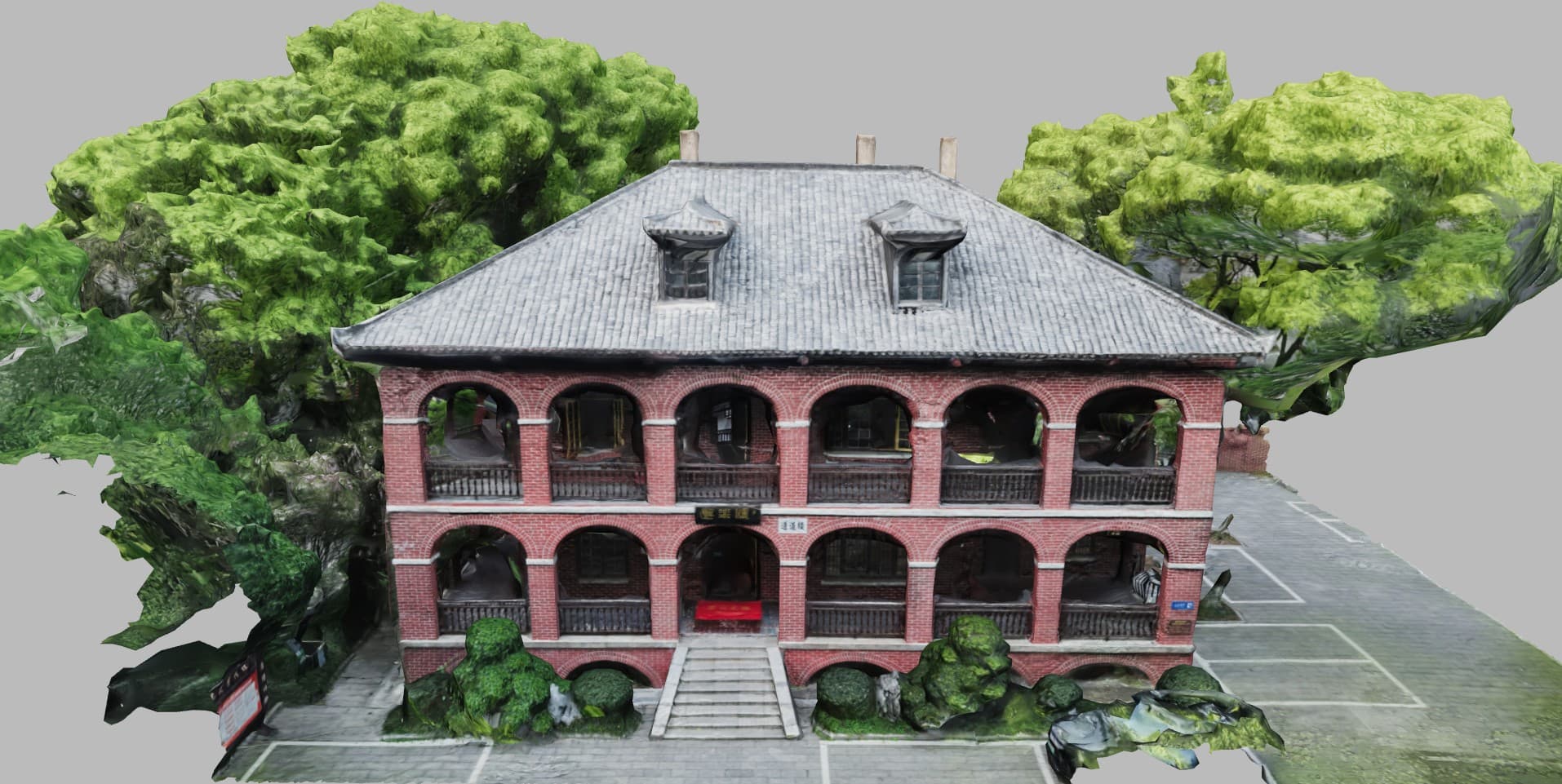
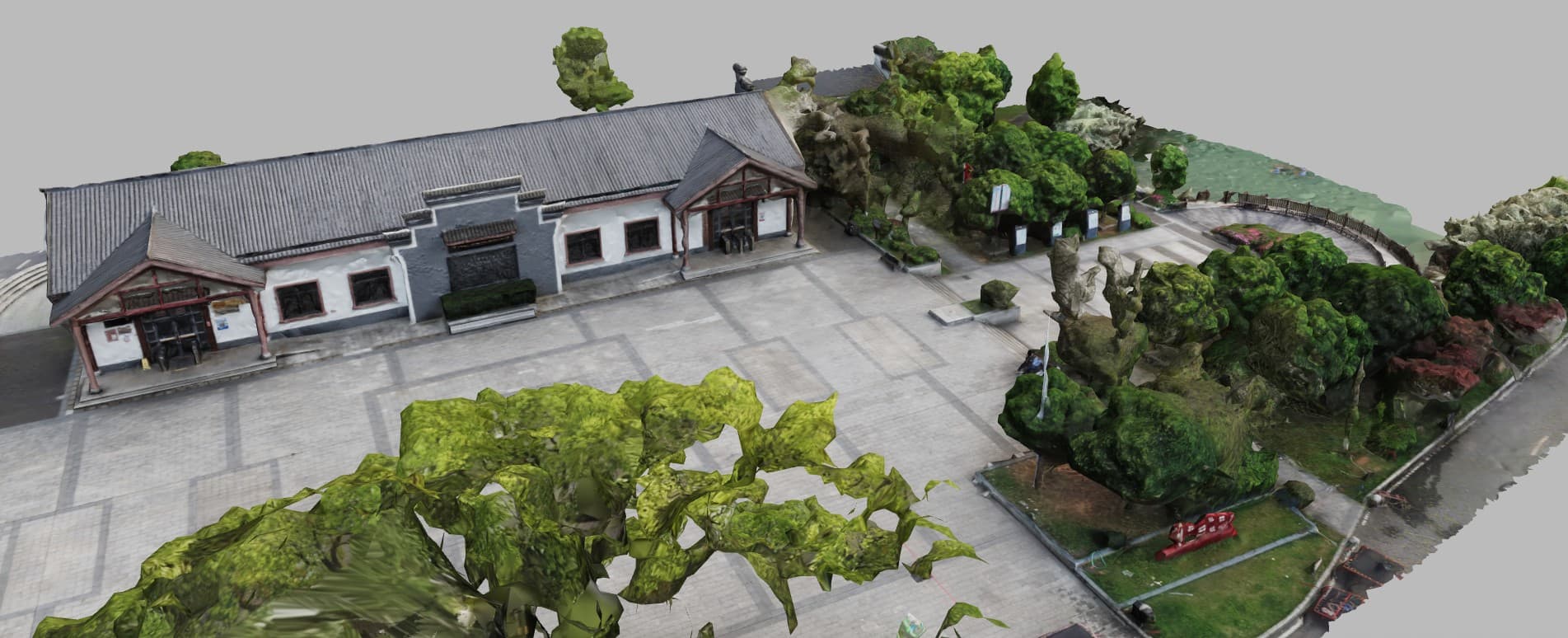
Between August and October 1937, Japanese warplanes dropped bombs across the yard, shattering the original station. Workers risked their lives amid the smoke and twisted metal to keep the tracks open. The surviving single-story red-brick building, measuring 38.3 meters long and 18 meters wide, dates to a September 1944 reconstruction. Its traditional Yingshan-style roof is covered in small green tiles that have weathered decades of soot and rain.
Passenger services moved away in 1974. Today, this quiet structure remains. The station is a physical record of the moment Hunan joined the global industrial age, preserved in clay, iron, and memory.