On May 17, 2011, the fires inside the massive tunnel kilns of the Liling Qunli Porcelain Factory went cold. In the control room, a paper calendar remains turned to that exact date. On the walls, hand-written chalk schedules still outline the final day's labor. This silent factory, spanning 100,000 square meters, preserves the physical memory of China's "Red Imperial Kiln."
The site traces its lineage to the Hunan Porcelain Company, founded in 1905 by Xiong Xiling. In 1958, Premier Zhou Enlai approved funding to establish the Liling Art Porcelain Factory, which became the Qunli Porcelain Factory in 1964. For decades, artisans here crafted underglaze five-colored porcelain for state leaders and foreign dignitaries. In 1974, they undertook the secret "7501" project, creating the famous "Mao porcelain" bowls. These pieces were celebrated for being thin as paper and ringing with the clear sound of a stone chime when struck.
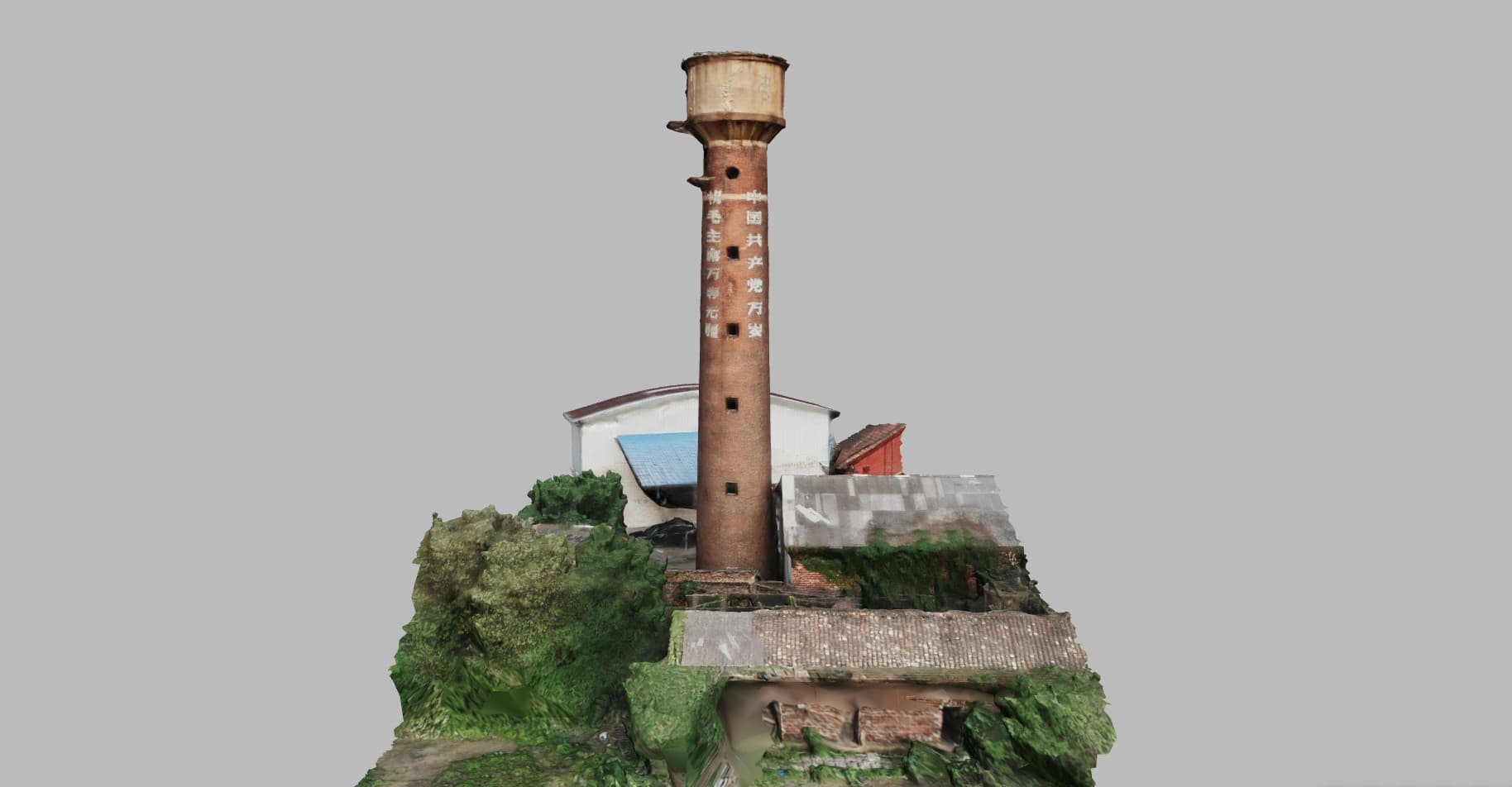
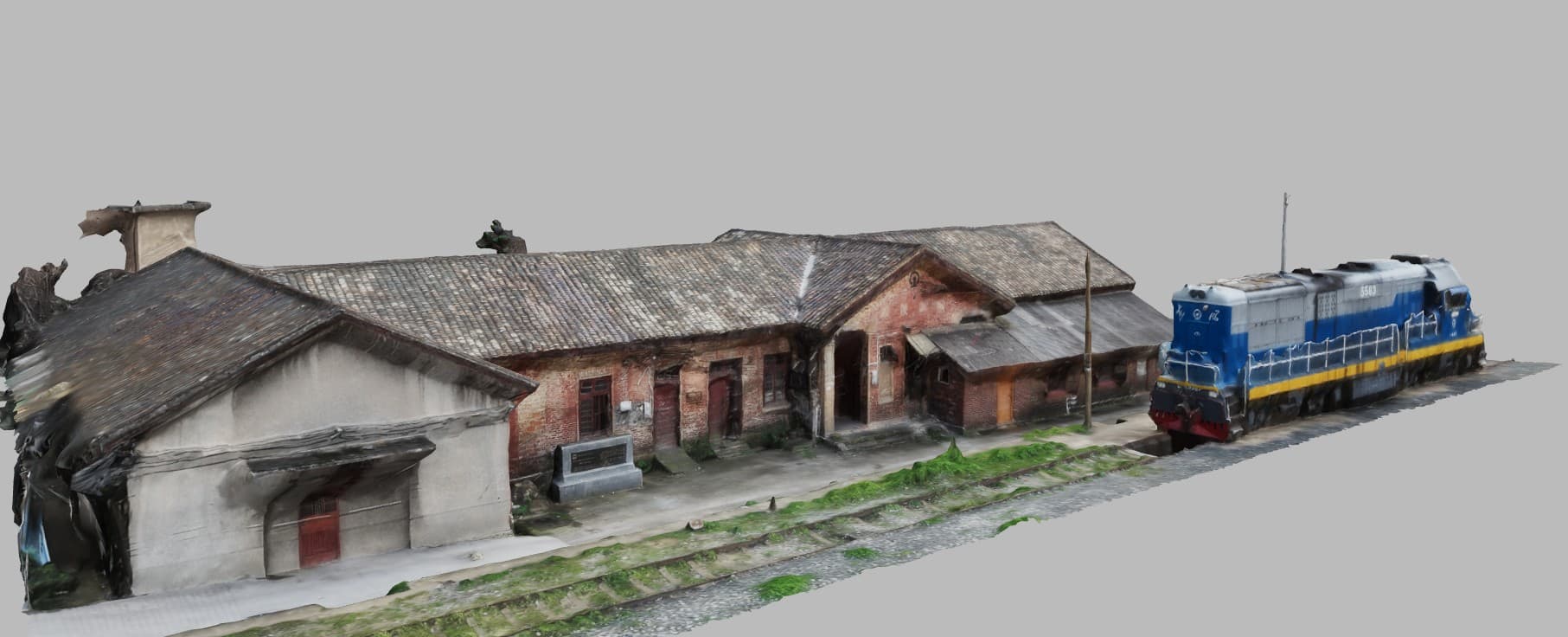
Walking through the factory, visitors encounter the raw materials warehouse, clay-preparation workshops, and the long railway line once used to transport heavy clay. The architecture reflects late twentieth-century industrial design. The manufacturing workshops feature red-brick and black-tile facades. Overhead, steel trusses support elevated roofs with ventilation shafts. By omitting horizontal load-bearing beams, the builders created vast, open spaces illuminated by natural light from large, green-painted windows.
Today, the site is a protected national monument, managed alongside the Hunan Provincial Ceramic Research Institute. The air inside the molding workshop smells of dry clay and cold iron. The rough, soot-stained brick walls and the cool steel structures stand as physical records of a bygone industrial era, waiting for visitors to hear the quiet echo of the machines.