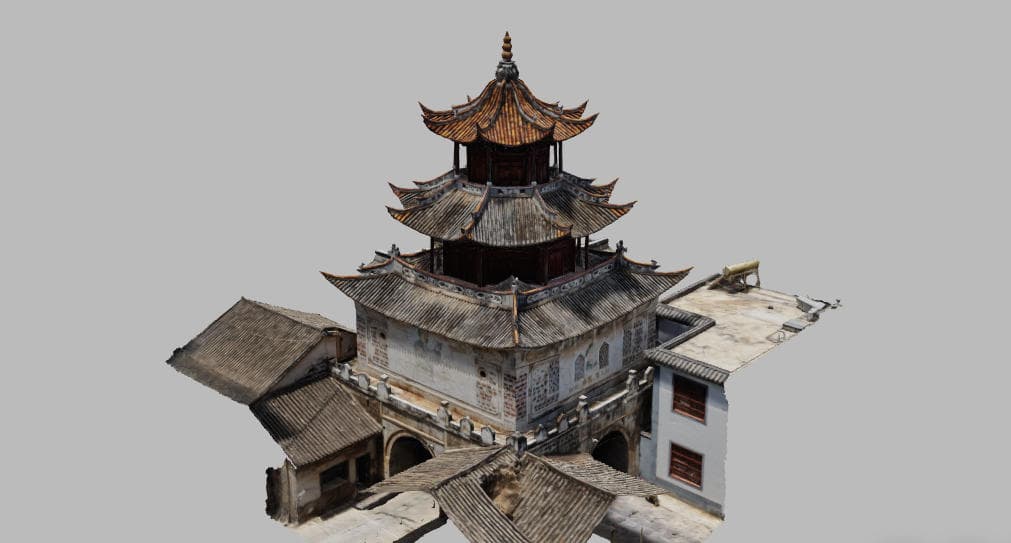
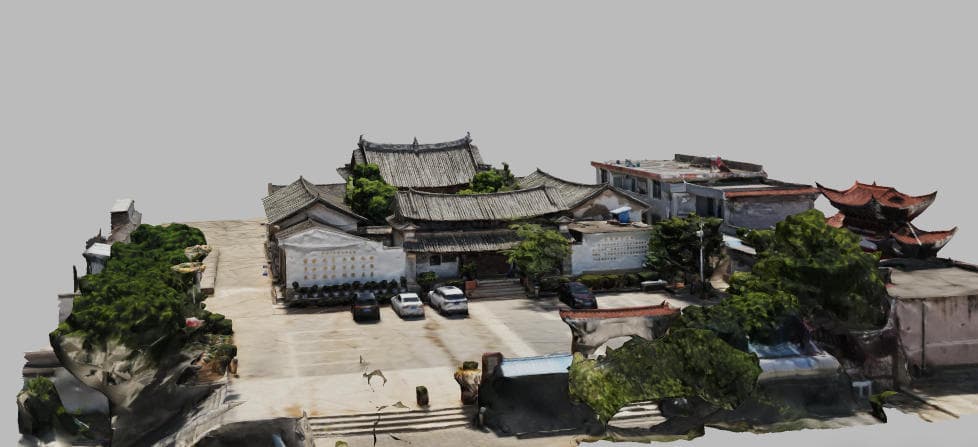
In 1904, the Zhang clan of Tuanshan Village built the Upper Temple as a sanctuary for Buddhist and Taoist worship. Within a year, the clan leaders redirected the building's purpose. They opened a free school inside the temple in 1905, offering education to local children without charging tuition. By 1922, the school adopted a modern curriculum, earning praise from Yunnan’s education director, Gong Zizhi, who called it a premier private primary school.
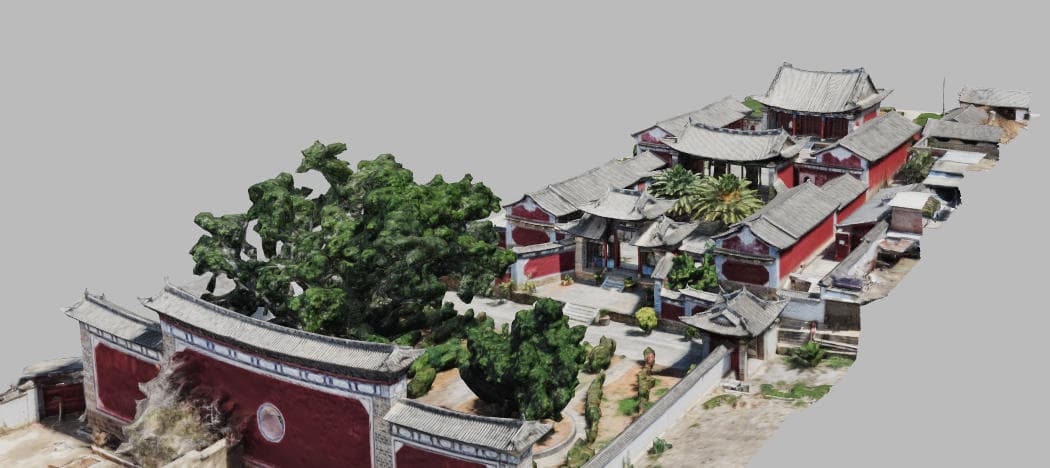
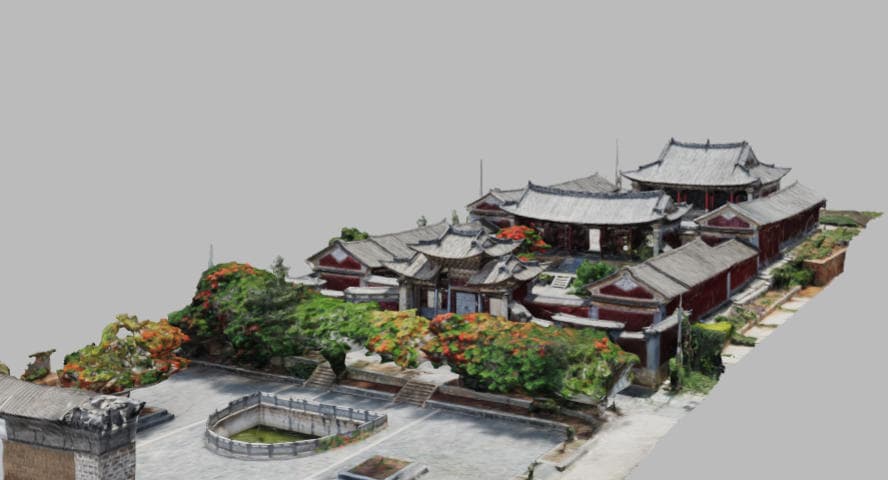
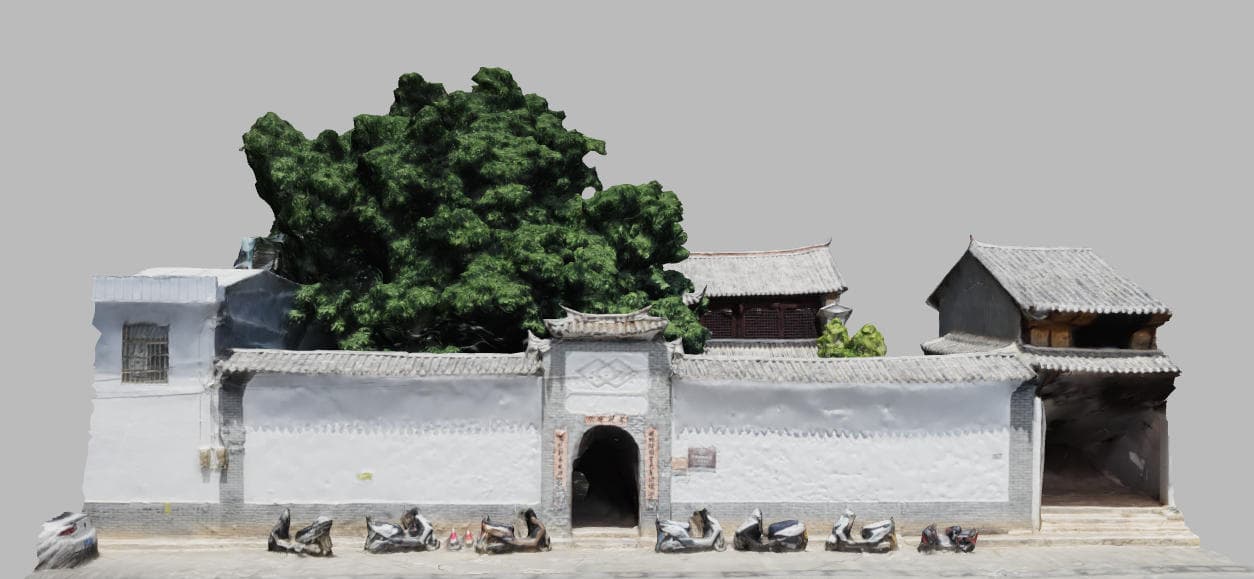
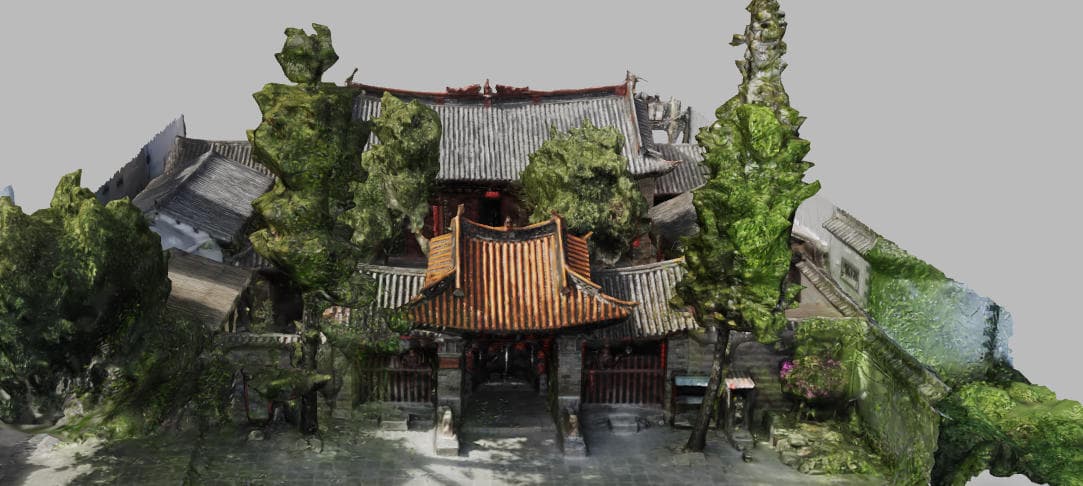
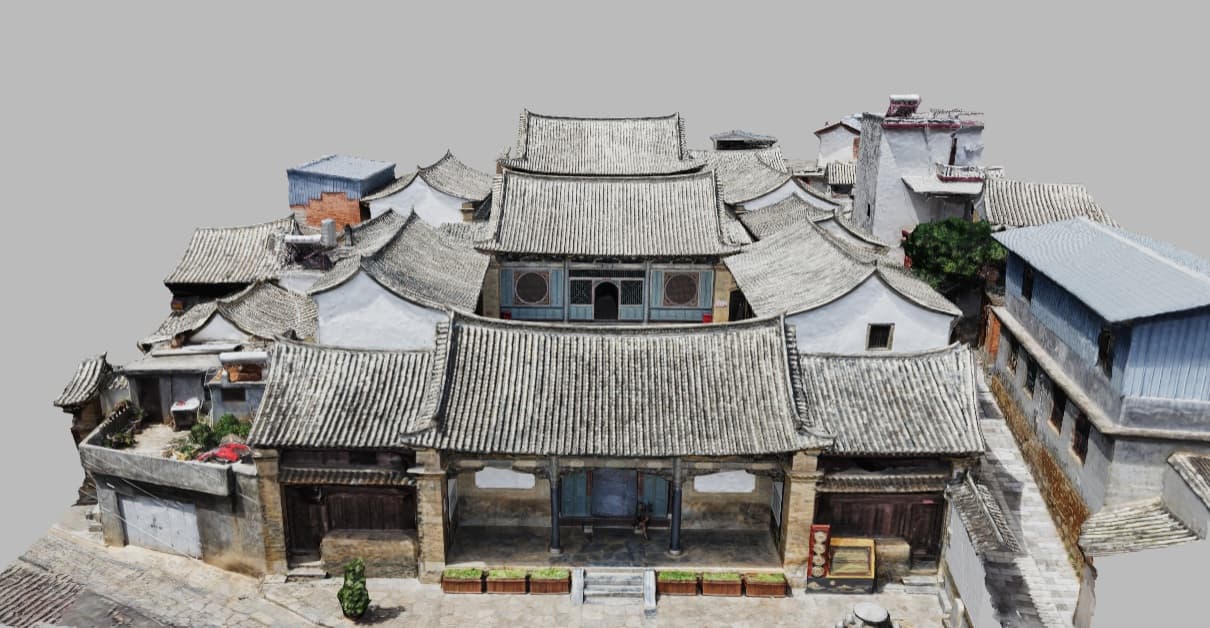
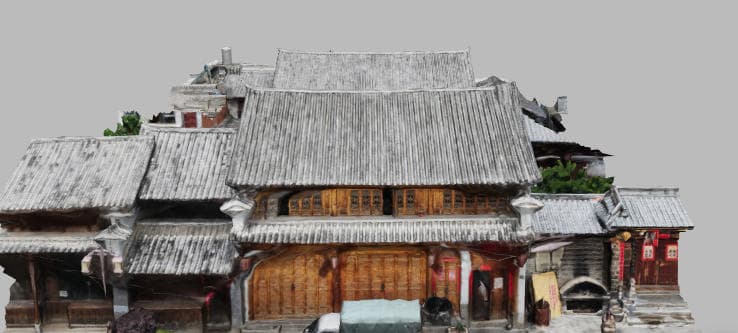
The physical structure reflects this history of adaptation. Spanning 716 square meters, the temple features a traditional two-courtyard layout. Visitors enter through a main gate built in a two-tier-water embedded single-portal style. Inside, the first courtyard centers on an open patio. The second courtyard follows the regional "four halls and five patios" design. The exterior walls show the classic local palette: cool white plaster, grey clay-tile roofs, and defensive blue-brick skirtings.
Human presence remains visible throughout the space. In the courtyard, a heavy stone roller, once used to grind grain, sits with a sign inviting visitors to turn it. The main halls, which once echoed with the chanting of prayers and the recitations of school children, now house the Cloud On Nostalgia Bookstore. Visitors can run their fingers over the rough stone of the ancient mill, smell the fresh ink of modern literature, and look up at the painted wooden beams that survived the transition from sacred temple to classroom, and finally to a quiet library.