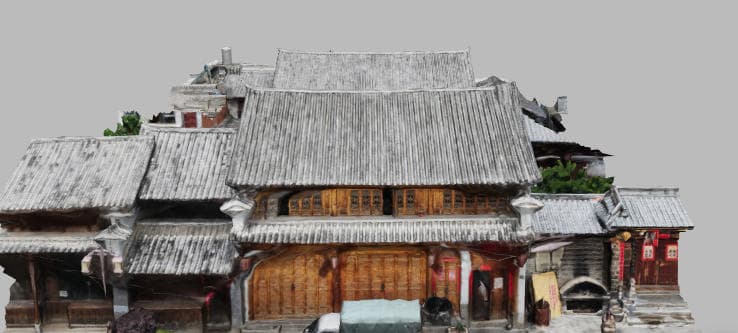
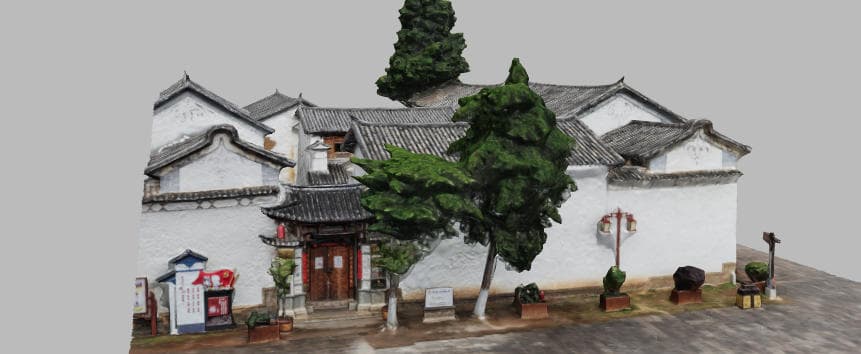
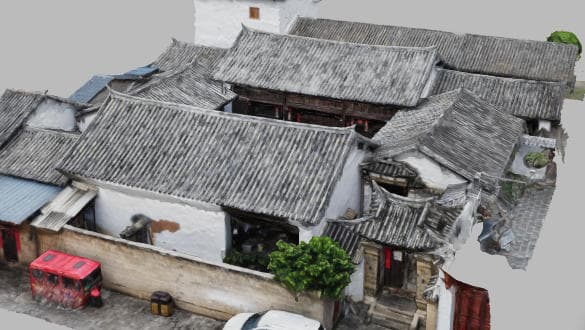
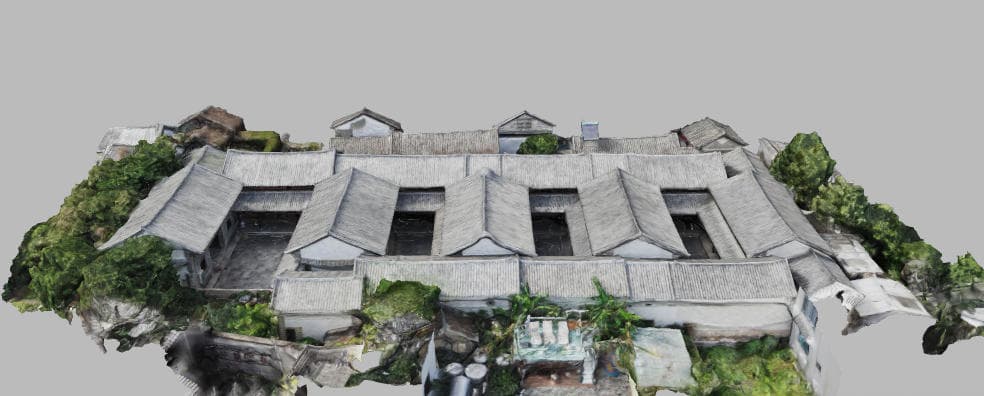
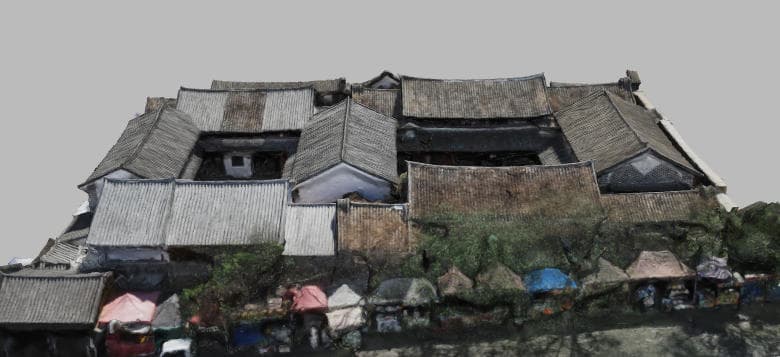
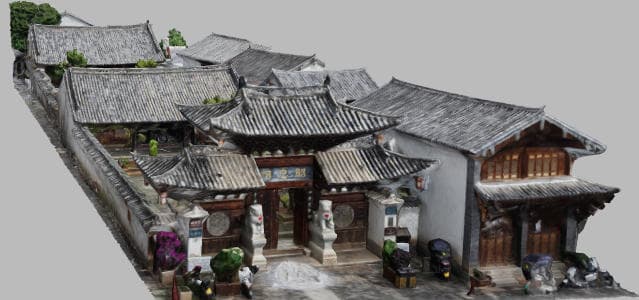
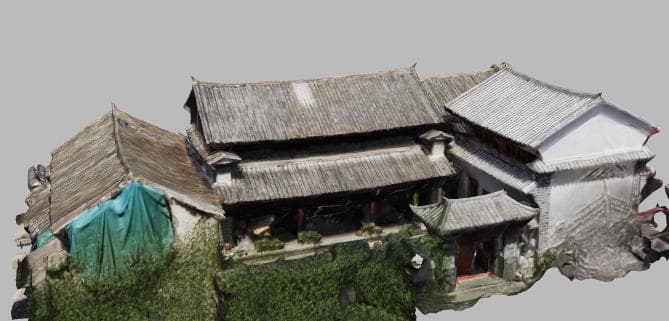
In 1415, Gao Xing, the Prefect of Heqing, joined ten local Bai chieftains to build a sanctuary at the center of Shaxi. This structure, the Xingjiao Temple, remains China's only surviving Ming Dynasty temple of the Azhali Buddhist sect. Outside, the red sandstone slabs of the market square echo with centuries of trade. Inside, the temple grounds unfold along a quiet west-to-east axis across three courtyards.
The architecture preserves the physical decisions of fifteenth-century Bai builders. In the Main Hall, which stands nineteen meters tall, carpenters worked without floor-standing center columns. They transferred the roof's weight to twelve columns lining the inner walls using a beam-through-beam timber frame. To achieve this, they chanted the rhythmic rules of the Mu Jing, a traditional manual of craftsmanship. Their interlocking wooden brackets still hold the heavy clay-tiled roof, a system that has flexed and survived centuries of earthquakes.
Human presence lingers in the details. In 1417, a local painter named Zhang Bao and his assistants from Diantou Village coated the plaster walls with mineral pigments. Today, sixteen of these original frescoes survive. One painting, Namo Jiangmo Shijia Rulai Hui, depicts Sakyamuni as a female figure, a rare iconographic choice. Another mural, Taizi Youyuan Tu, illustrates the daily court life of the lost Nanzhao and Dali kingdoms. During the twentieth century, local government workers occupied these halls as headquarters. The smoke from their daily cooking soot-stained the walls, a layer of grime that accidentally shielded the ancient paintings from destruction during the Cultural Revolution.
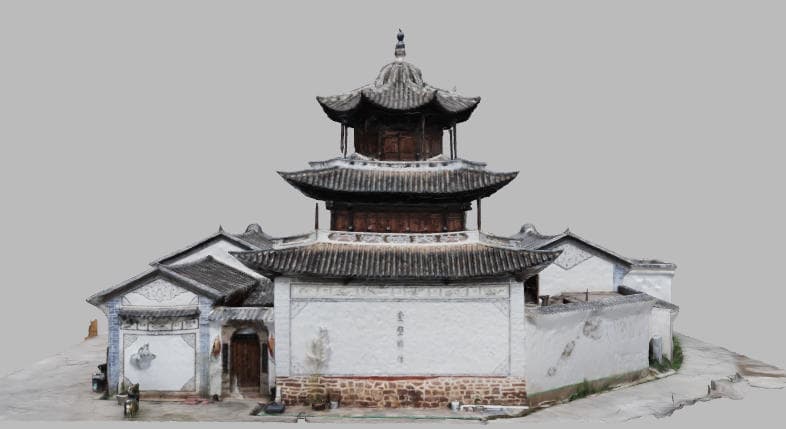
In 2001, Swiss and local experts began a scientific restoration of the temple. They cleaned the soot from the plaster, revealing the original brushstrokes of Zhang Bao. Today, the temple stands as a museum. Visitors can stand in the quiet courtyard, look past the massive wooden pillars of the Tianwang Hall, and see the three-story Ancient Stage across the street, its twelve flying eaves pointing toward the Yunnan sky.