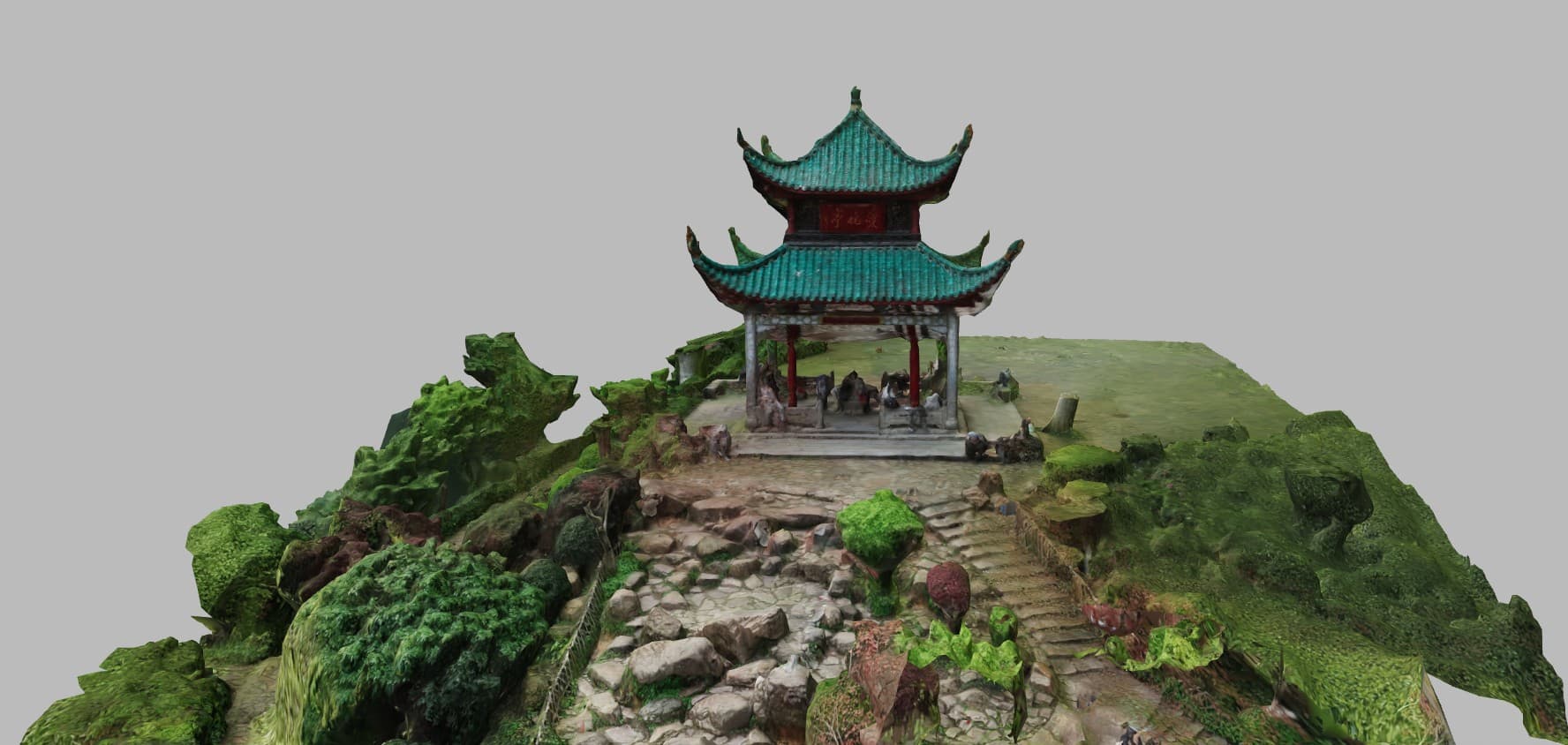
In the quiet community of Huangxing Town, a modest residential compound of black clay roof tiles and white-plastered clay brick walls stands as a quiet witness to a life of remarkable self-effacement. This is the birthplace of Xu Guangda, born here on November 19, 1908. Built in the late Qing dynasty, around 1901 or 1908, the structure reflects the simple, rural architecture of Hunan.
The building itself has survived severe trials. A catastrophic flood in 1954 swept away the rear wing of the compound, and decades of neglect left only five of the original rooms standing. In 2005, a state-directed reconstruction restored the 540-square-meter layout. On the left side of the front corridor, a single thick stalk of bamboo stands in place of a traditional fir column, showing the practical, makeshift repairs of rural life.
Outside, the courtyard holds two heavy symbols of Xu’s legacy. A retired Type 62 light tank, bearing the number 001, sits with its metal tracks resting on the ground, marking Xu's role as the founding commander of the armored forces. Nearby stands the Rangxian Monument, a massive 30-ton slab of gray granite carved into the shape of a wind-blown flag. It is 2.5 meters tall and 5 meters wide, bearing the elegant calligraphy of General Li Duo. The stone preserves the text of Xu’s letters to Mao Zedong, in which he repeatedly requested a lower military rank and successfully insisted on reducing his administrative pay grade from level four to level five.
The story of this space extends beyond its walls. In 2018, during a major renovation of the site, Xu’s family quietly gathered. To avoid placing any financial or administrative burden on the local government, they chose to scatter the general's ashes into the nearby Liuyang River. The true monument he left to the people is himself.