


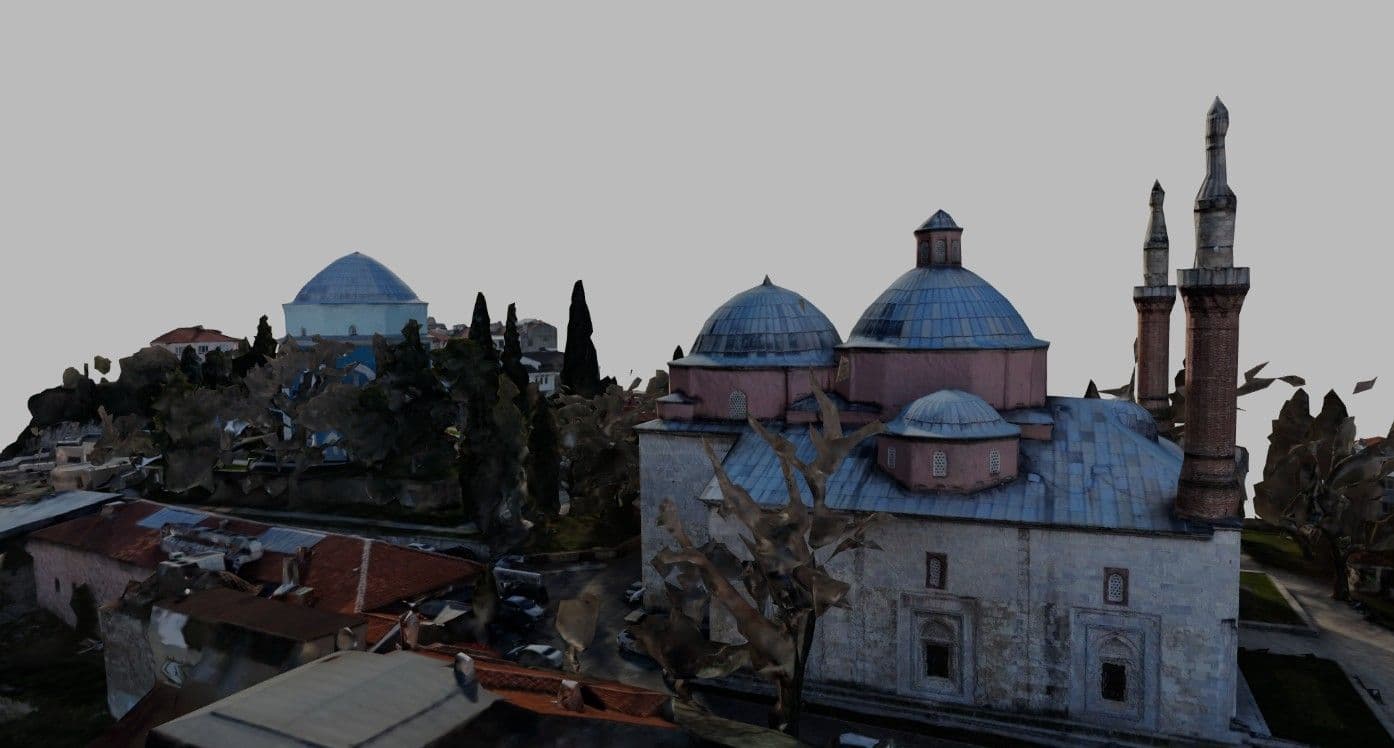
Green Mosque and Green Tomb
Bursa, Türkiye
The Green Mosque, also known as the Mosque of Mehmed I, is a part of a larger complex on the east side of Bursa, Turkey. The Green Tomb is a mausoleum of the fifth Ottoman Sultan, Mehmed I.
Bursa, Türkiye
The Green Mosque, also known as the Mosque of Mehmed I, is a part of a larger complex on the east side of Bursa, Turkey. The Green Tomb is a mausoleum of the fifth Ottoman Sultan, Mehmed I.
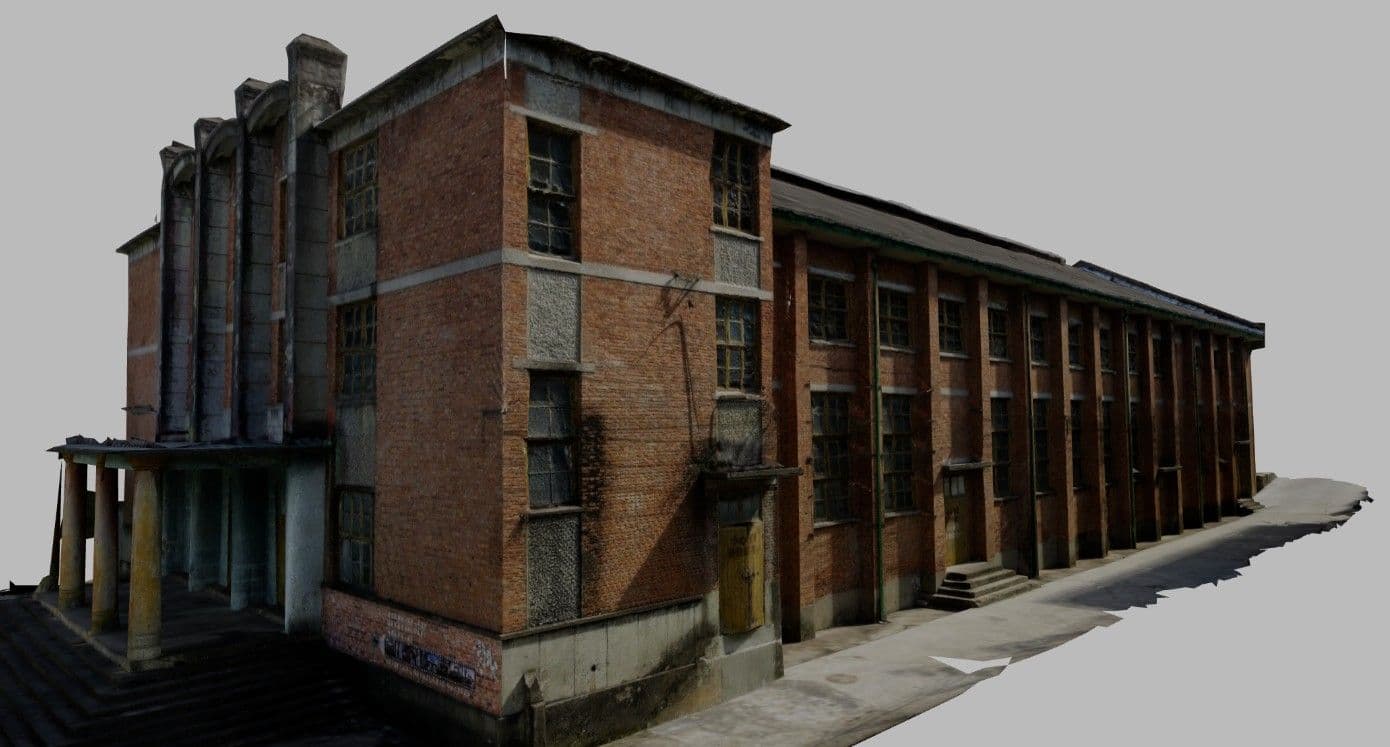
Yichang, Hubei, China
Factory 388, officially known as the "State-owned Central South Optical Instrument Factory", located in Songshanchong Village, Gaozhouba Town, Yidu City, Hubei Province,
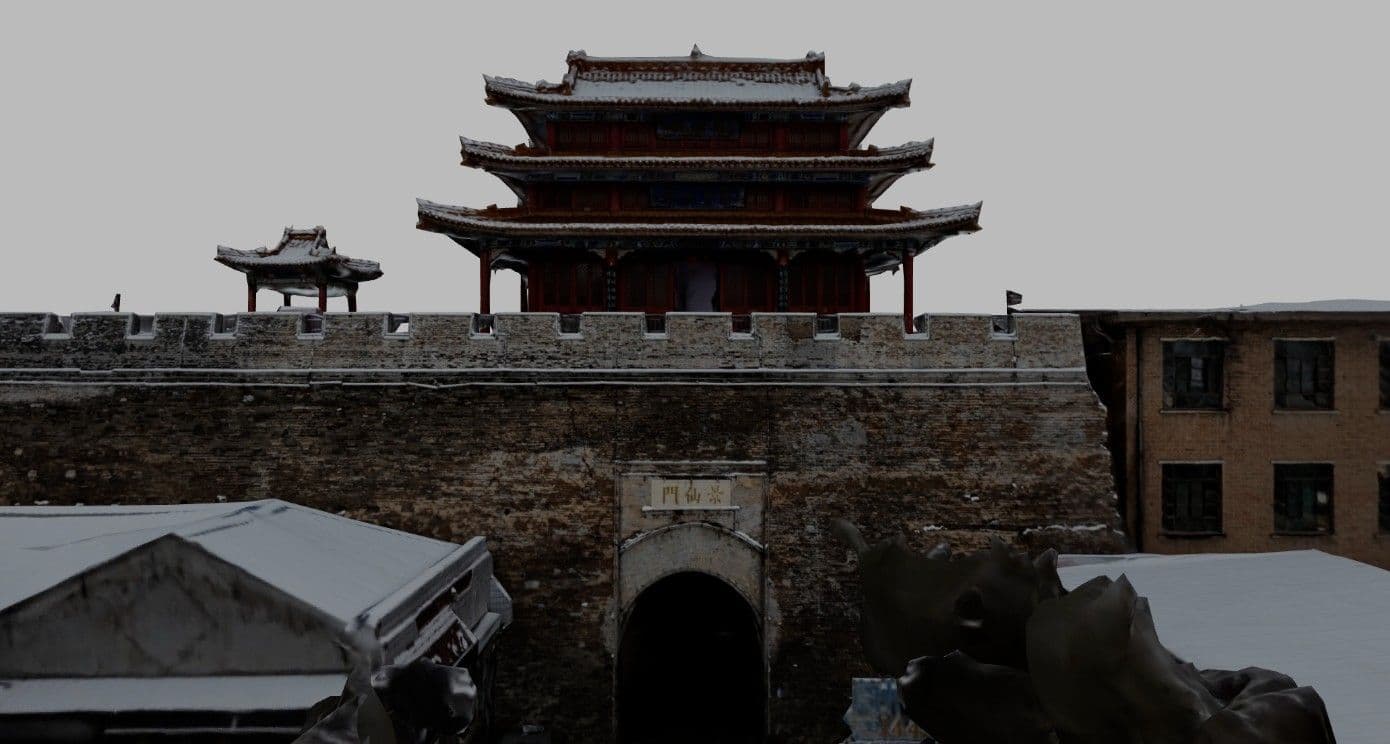
Zhangjiakou, Hebei, China
The Jingxian City Gate is an ancient city gate located in Yu County, Hebei Province. It was built in the Yuan Dynasty. It is a brick and wood structure covered with bricks and green tiles. The Gate is square, about 20 meters high, with a spacious doorway and a…
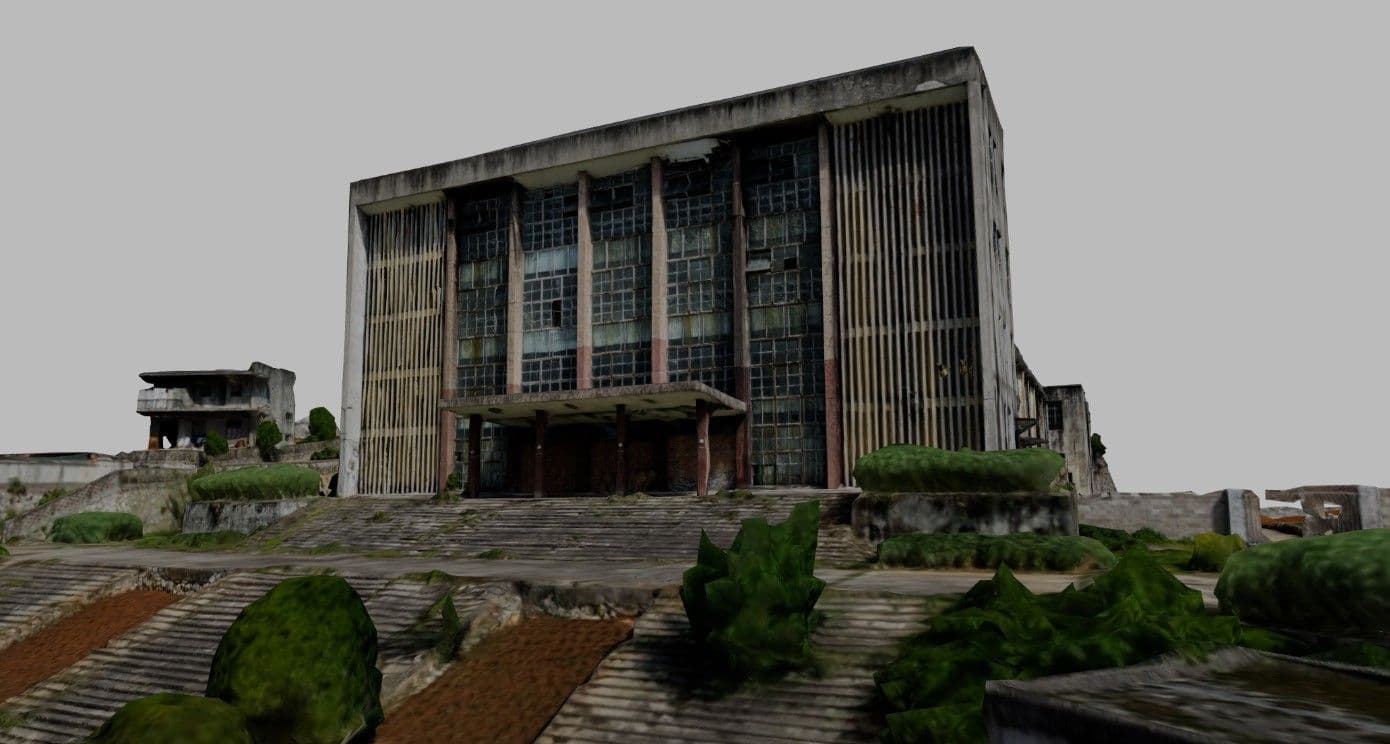
Yichang, Hubei, China
The Changjiang Optical Instrument Factory (codenamed Factory 288), located in Youzhaping Village (formerly Xiaojia Chong), Yaojiadian Township, Yidu City, Hubei Province.
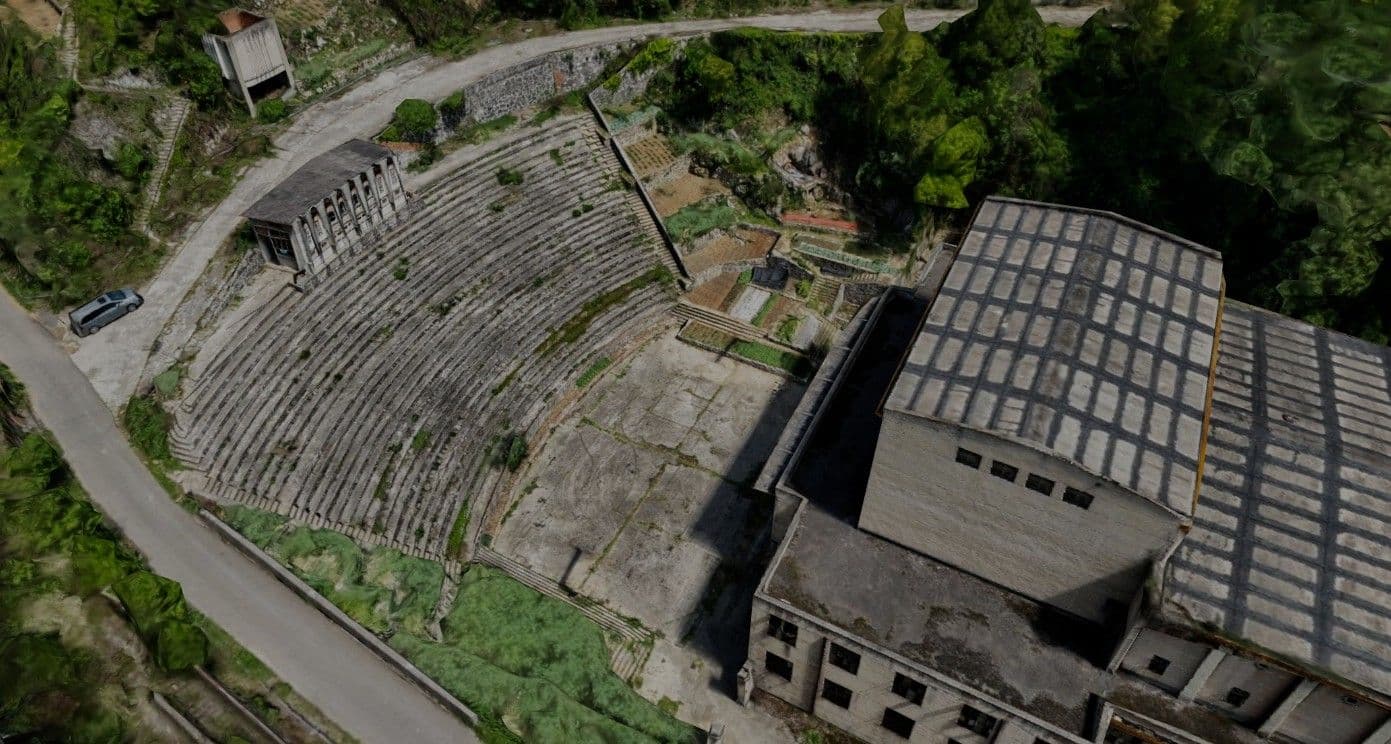
Yichang, Hubei, China
Factory 238 was constructed in 1966. 238 was the internal designation within the military industry, serving as its code name. Facilities like a staff canteen, bathhouse, dormitory, hospital, school, shops, and cinema were sufficient to accommodate the activiti…
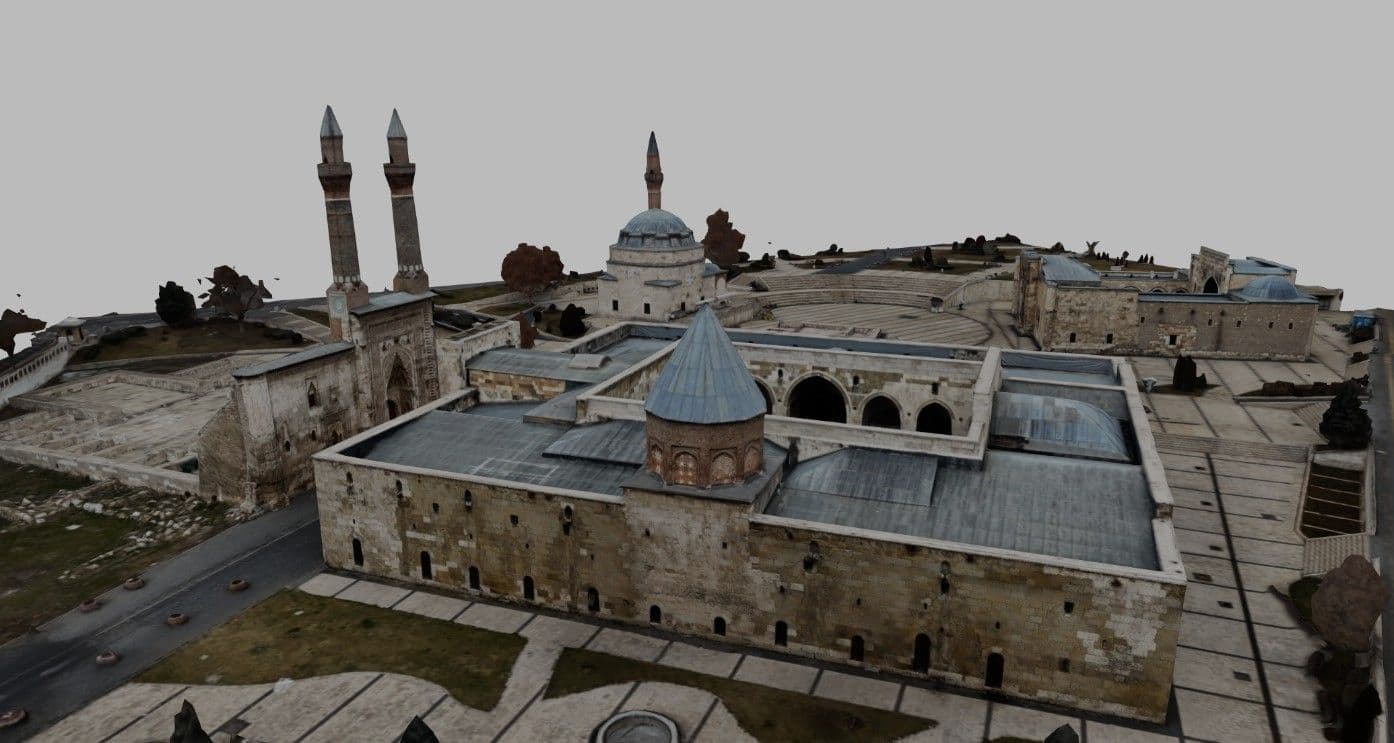
Sivas, Türkiye
Historical Architectural Complex of Sivas are three medreses in Sivas: Double Minaret Medrese, Shifaiye Medrese and Buruciye Medrese.
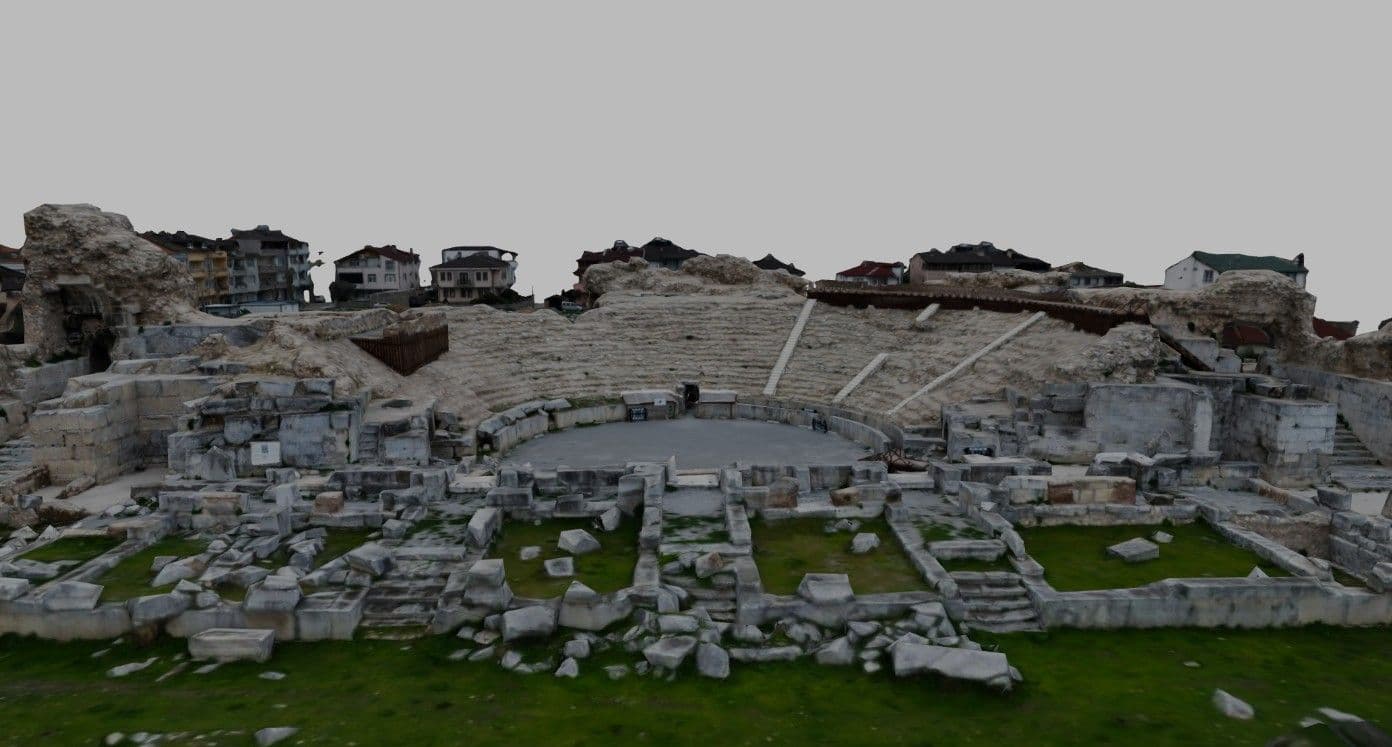
İznik, Bursa, Türkiye
The Ruins of Roman Theater, located in the Iznik district of Bursa province, was built by Pliny, Governor of Bithynia, during the reign of Emperor Trajan in the 2nd century AD. It is the only architectural example in Turkey because it was built on a flat area…
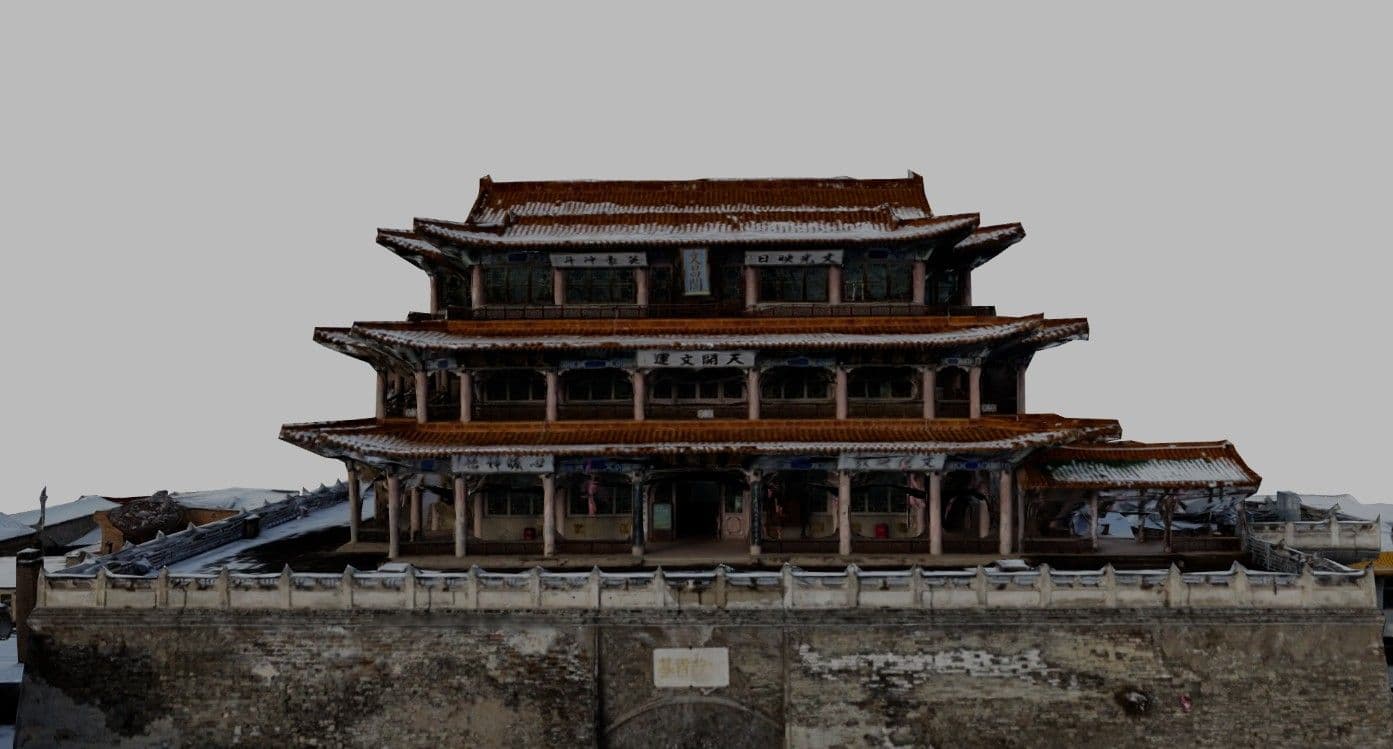
Zhangjiakou, Hebei, China
The Yuzhou Drum Tower was first built in the 14th year of Hongwu in the Ming Dynasty (1381) and was named Zhenyuan Tower. It was built by Zhou Fang, the commander of Yuzhou Guard, and was rebuilt many times.
Zhangjiakou, Hebei, China
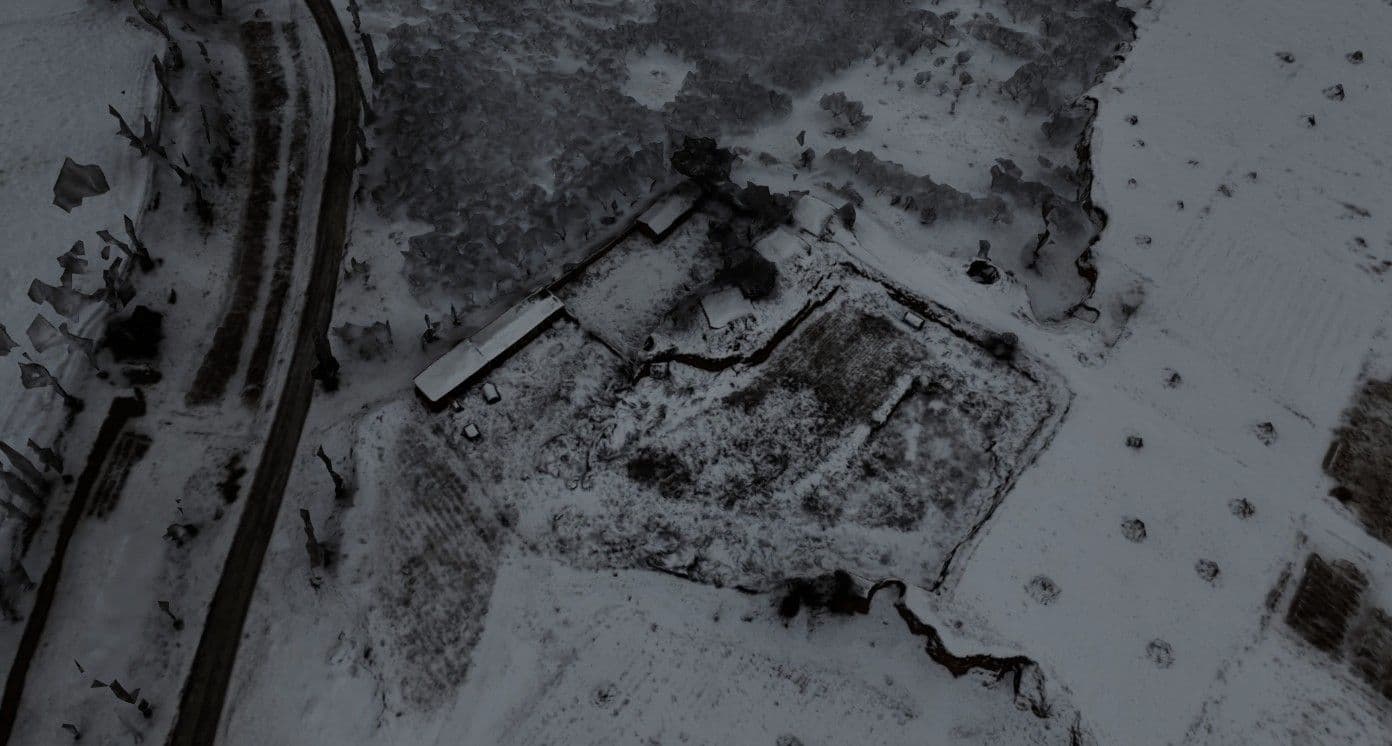
The Daiwang Ancient City Ruins are national key cultural relics protection units, and the city walls were built in the Zhou Dynasty. The city site is oval in plan, 3,400 meters wide from east to west, 2,200 meters long from north to south, and 9,265 meters in…
Zhangjiakou, Hebei, China
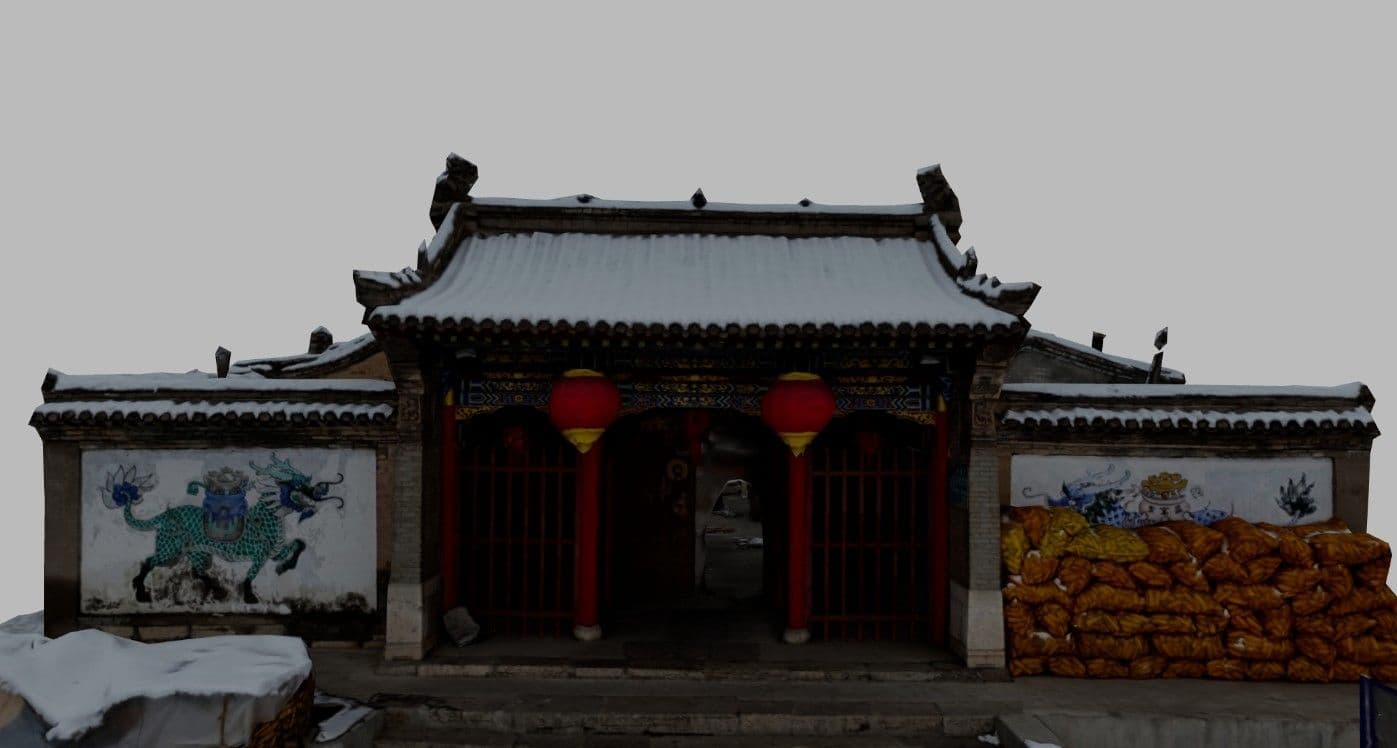
The Daiwang Town God of Wealth Temple was built in 1912 and is located at the southern end of east fortress. It is a quadrangle courtyard, facing east and west. It covers an area of 250 square meters, with axial symmetry and a brick and wood structure.
Zhangjiakou, Hebei, China
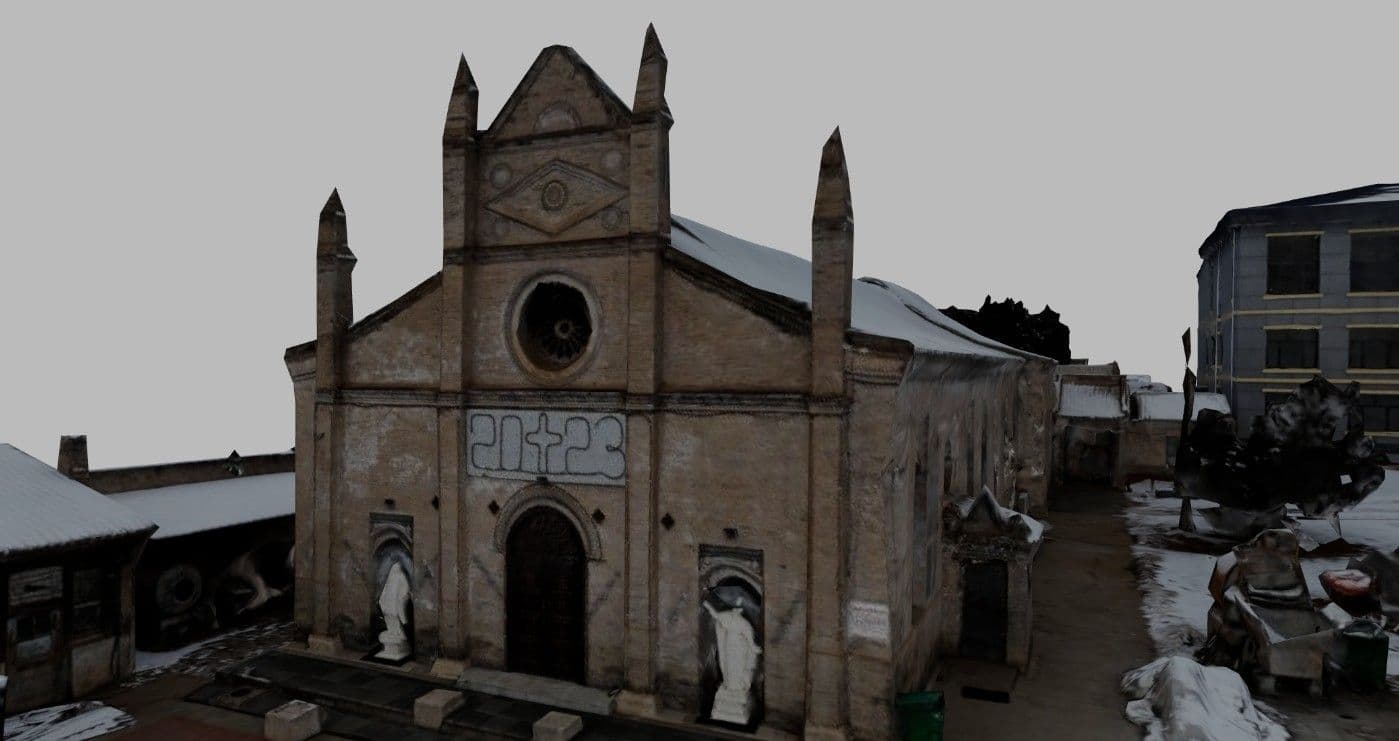
Xiheying Catholic Church is located in Xiheying Town, Yuxian County. It belongs to the Catholic Xuanhua Diocese. Since 1982, the official Chinese Catholic Church renamed it "Zhangjiakou Diocese", but it has not been recognized by the Holy See.
Zhangjiakou, Hebei, China
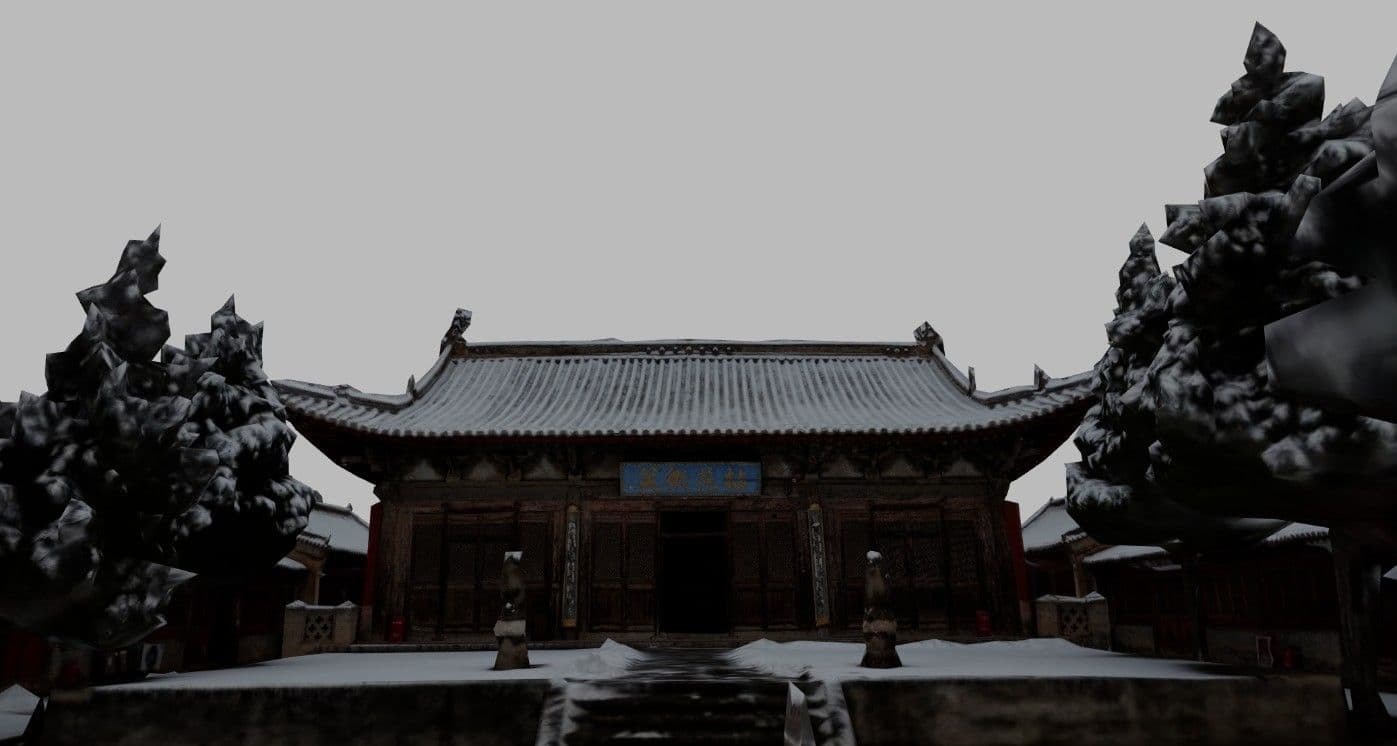
Shijia Monastery is the largest Buddhist Monastery in the city after the expansion of Yuzhou City in the Ming Dynasty. It is located in the south of Yu County, Zhangjiakou City. The predecessor of Shijia Monastery was a nunnery that existed in the Yuan Dynasty…
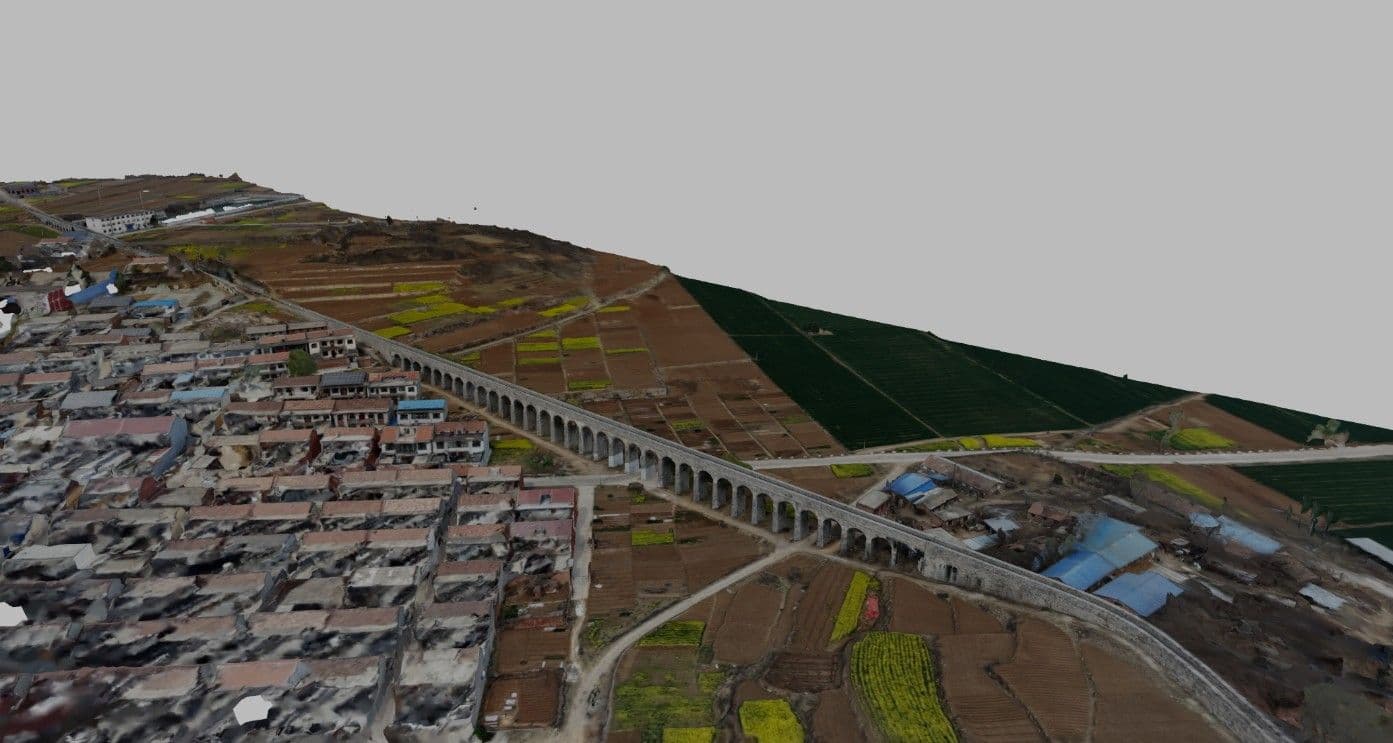
Anyang, Henan, China
The Red Flag Canal is an irrigation canal located 80 km northwest of Anyang. The main canal is 71 km long with many branches to distribute the water. The Duofeng Aqueduct is 413 meters long, 14 meters high and 4 meters wide. It is the longest aqueduct in the m…
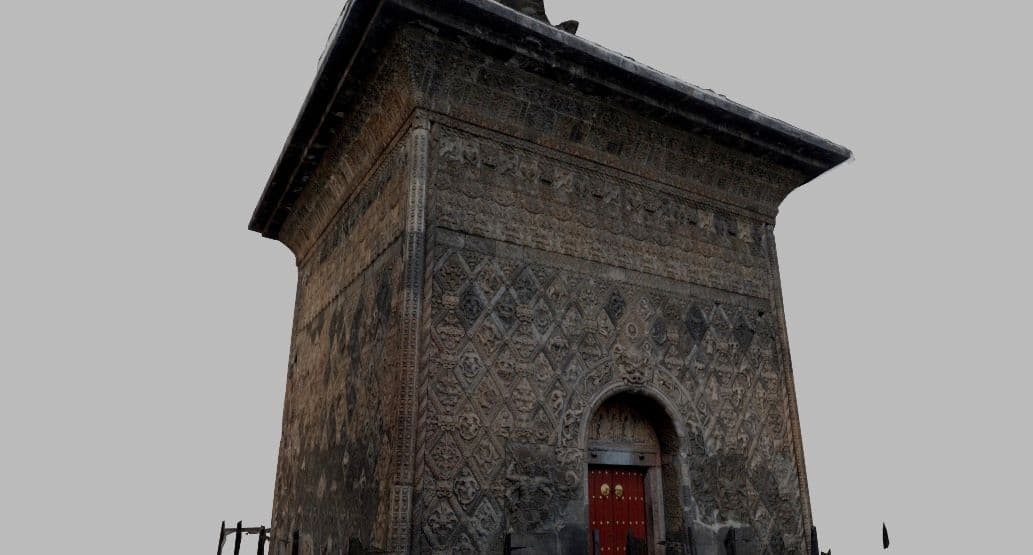
Anyang, Henan, China
Anyang Xiuding Monastery Pagoda is located on the west side of Qingliangshan Village, Leikou Township, Anyang County, Anyang City, Henan Province. The Xiuding Monastery was first built in the 18th year of Taihe in the Northern Wei Dynasty (494 AD). It was orig…
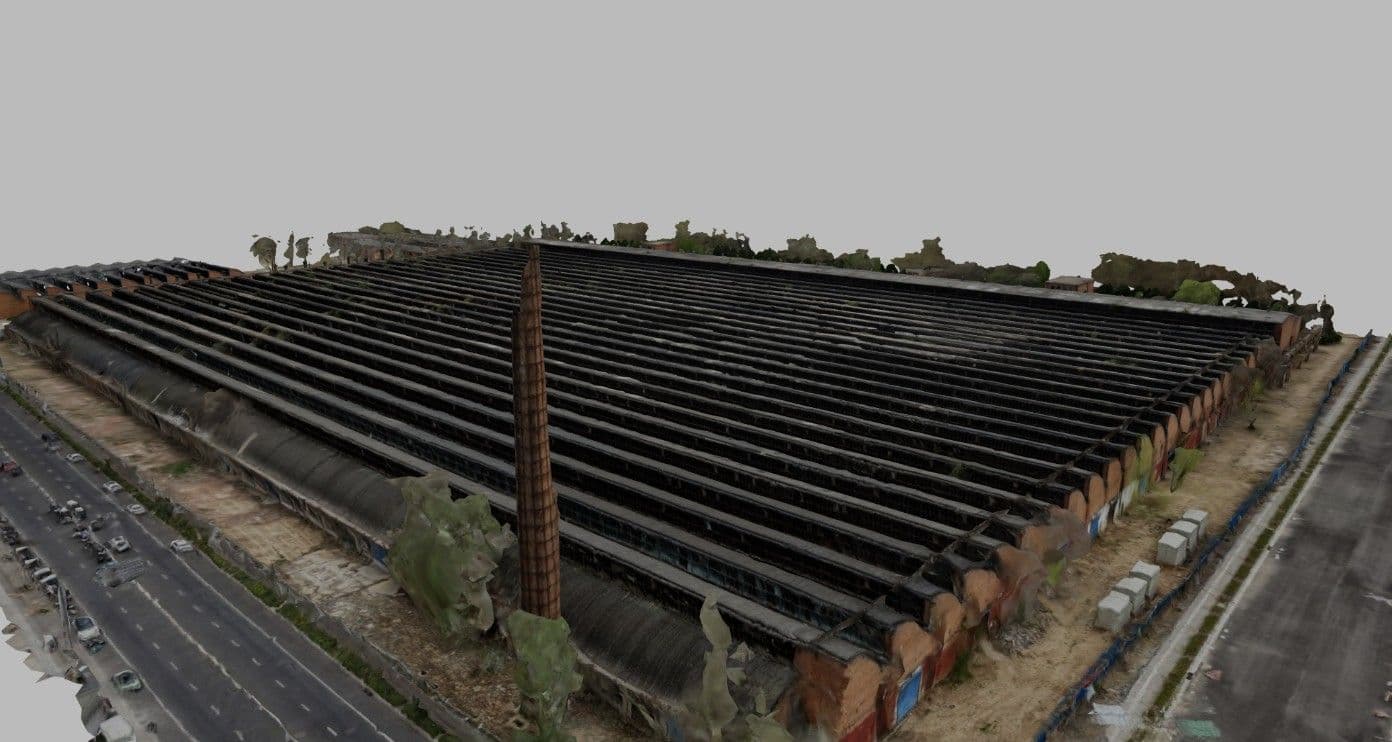
Zhengzhou, Henan, China
The former site of Zhengzhou 2nd Grinding Wheel Factory(abbreviated as "Ersha") is located at No. 78 Huashan Road, Zhongyuan District, Zhengzhou City, Henan Province. It was a large-scale abrasives and grinding tools backbone enterprise built during the first…
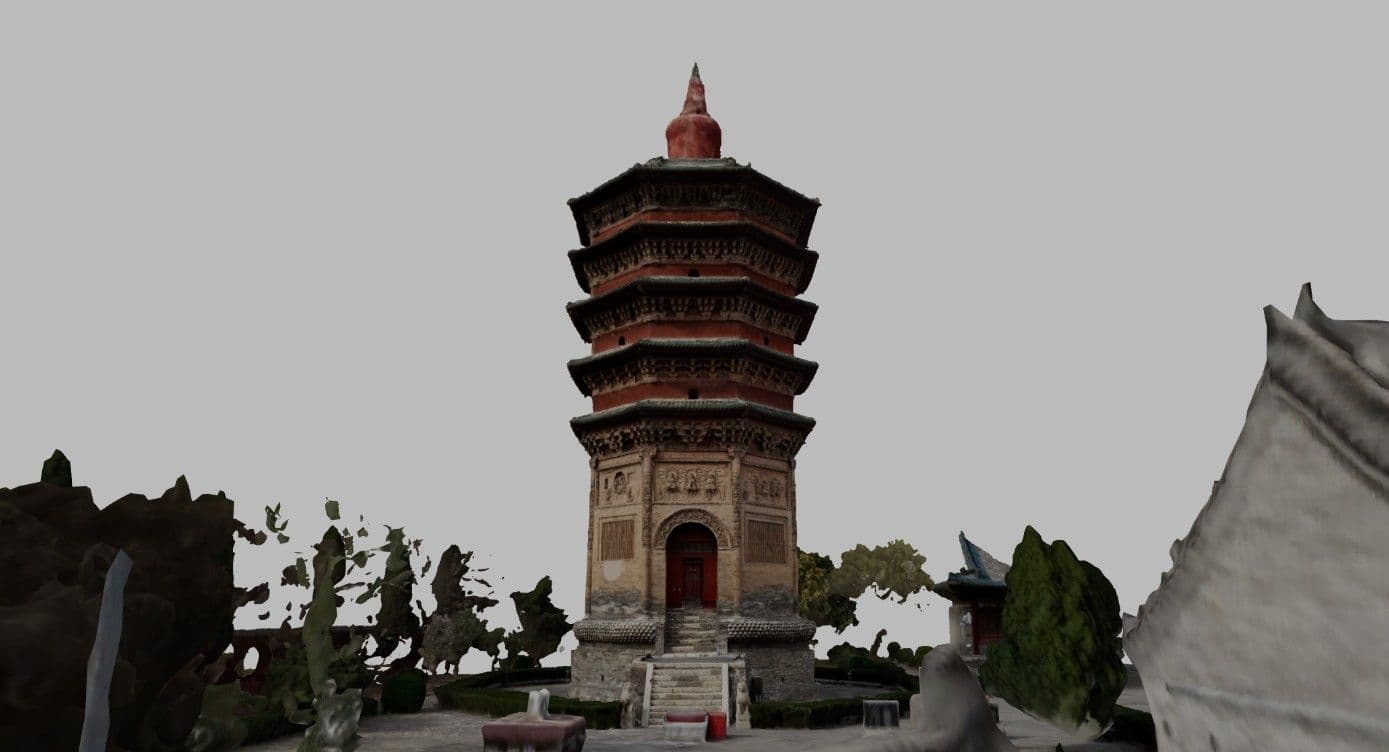
Anyang, Henan, China
Tianning Monastery was originally built during the Renshou period of the Sui Dynasty (601-604), and the Pagoda was built in the Later Zhou Dynasty (952). It is 38.65 meters high and 40 meters in circumference. The Pagoda body is octagonal, with five floors, al…
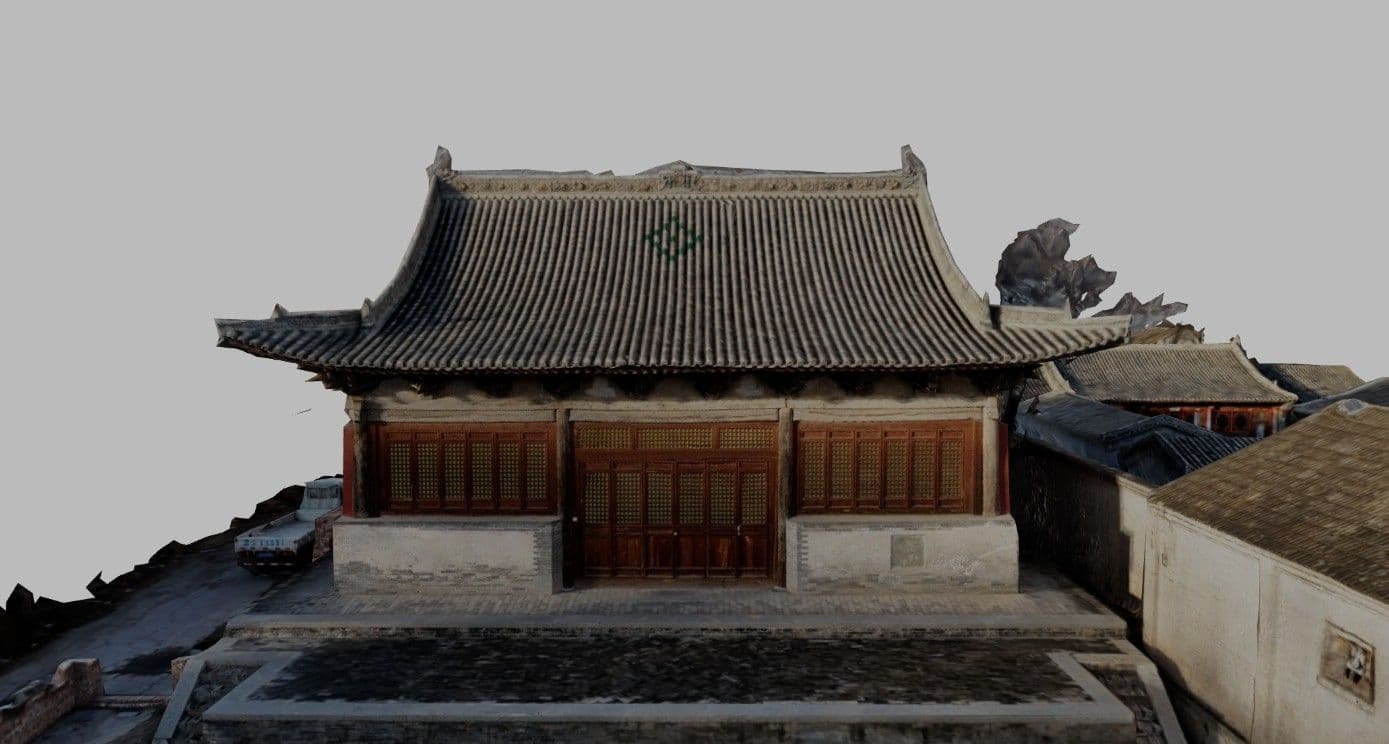
Zhangjiakou, Hebei, China
The history of Nuanquan Huayan Monastery can be traced back to the Tang Dynasty, and it was built as early as the 32nd year of Hongwu in the Ming Dynasty (1399). The existing buildings include the front hall, the back hall, and the east and west side halls.
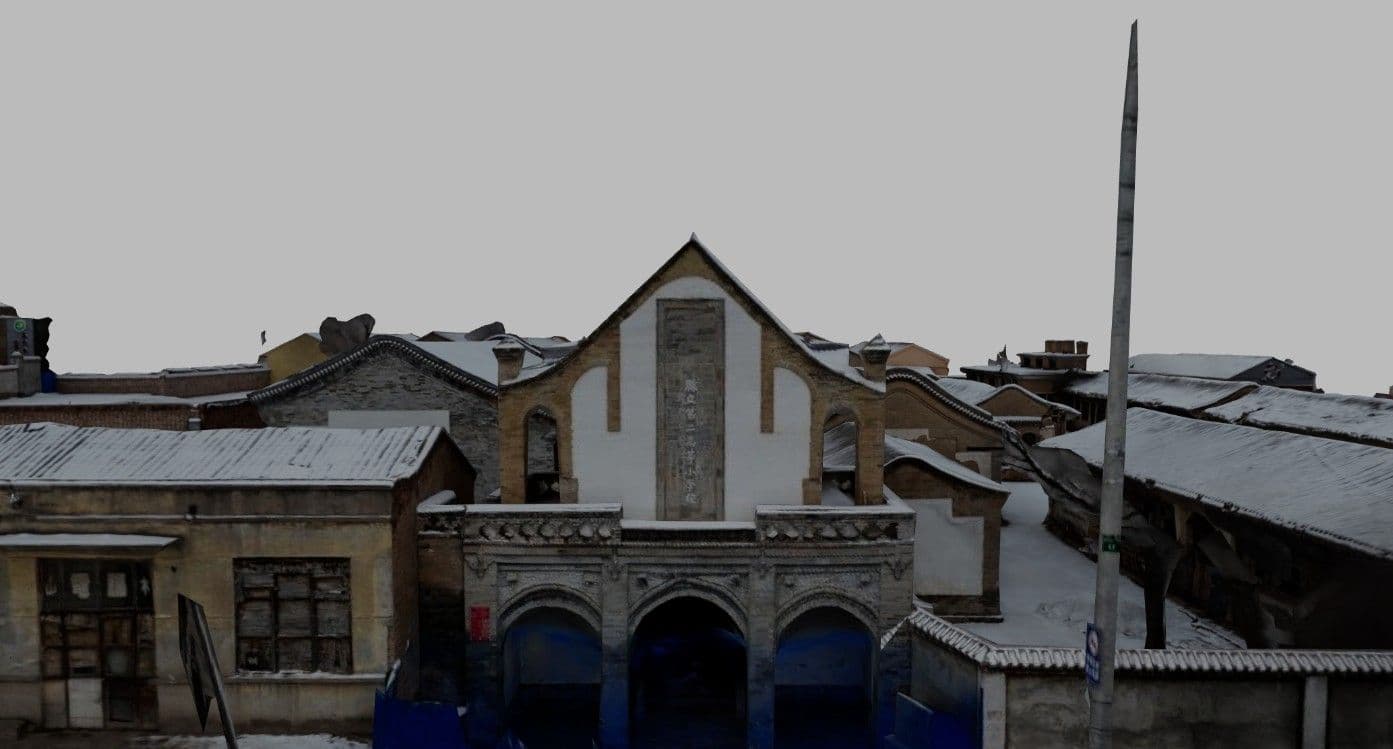
Zhangjiakou, Hebei, China
The Old Site of Xiheying Normal School in Yu County is a historical educational building built during the Republic of China period. On February 14, 2018, it was listed as the sixth batch of provincial cultural relics protection units by the Hebei Provincial Pe…
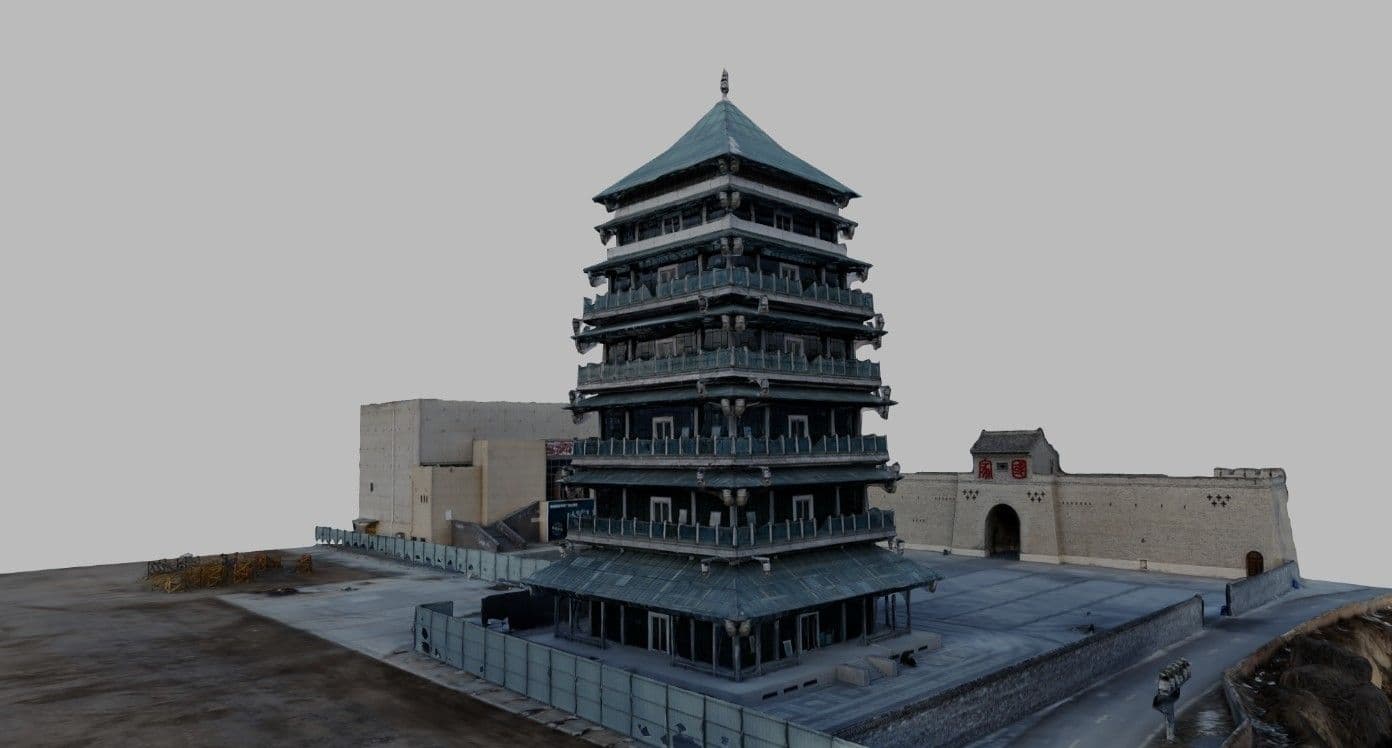
Zhangjiakou, Hebei, China
Nuanquan Ancient Town Glass Pagoda is the only all-glass viewing tower in China and is known as the "No. 1 Glass Pagoda in Ancient Towns in China". The total construction area is 2,312.66 square meters, the ground height is 49.6 meters, with 1 underground floo…
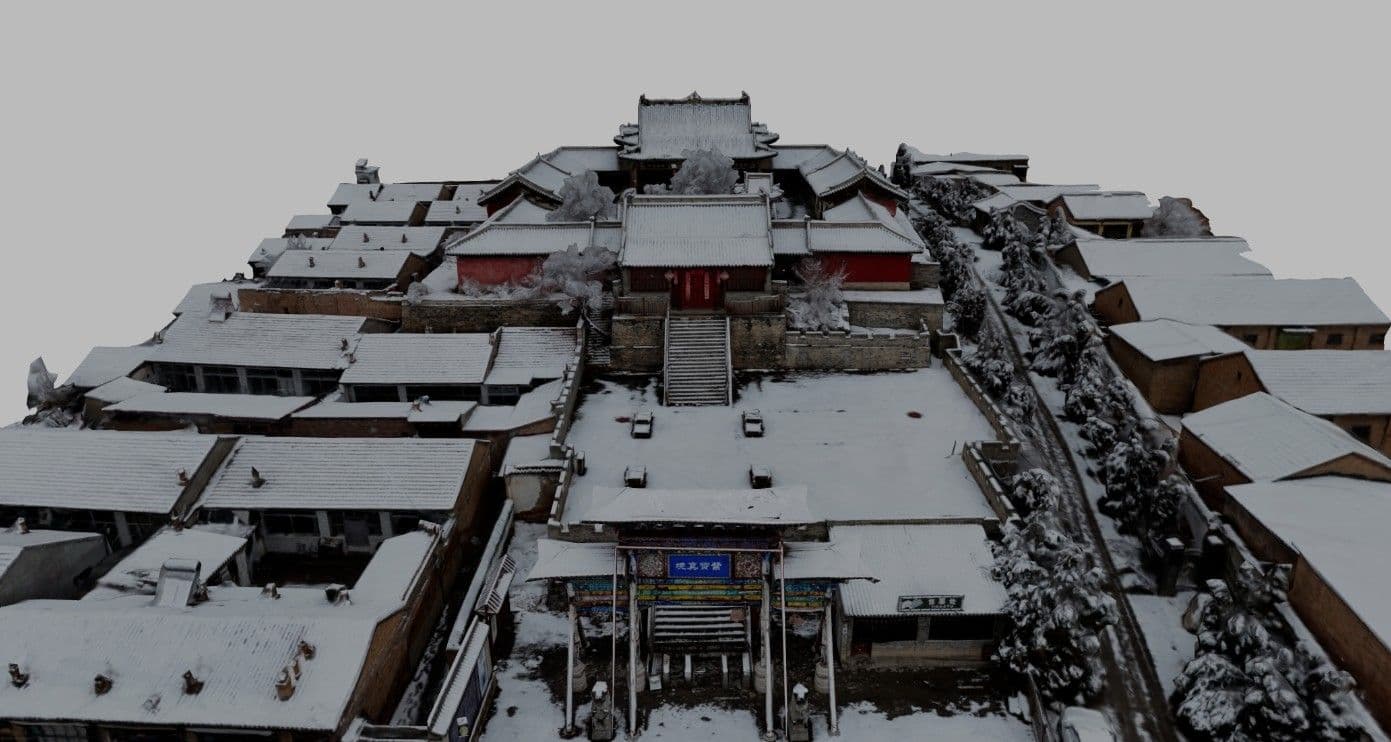
Zhangjiakou, Hebei, China
Yuzhou Zhenwu Temple is an ancient Ming Dynasty building located in Yu County, Zhangjiakou City, Hebei Province. As a typical Taoist building complex, the existing main structure fully demonstrates the characteristics of ancient Ming Dynasty buildings.
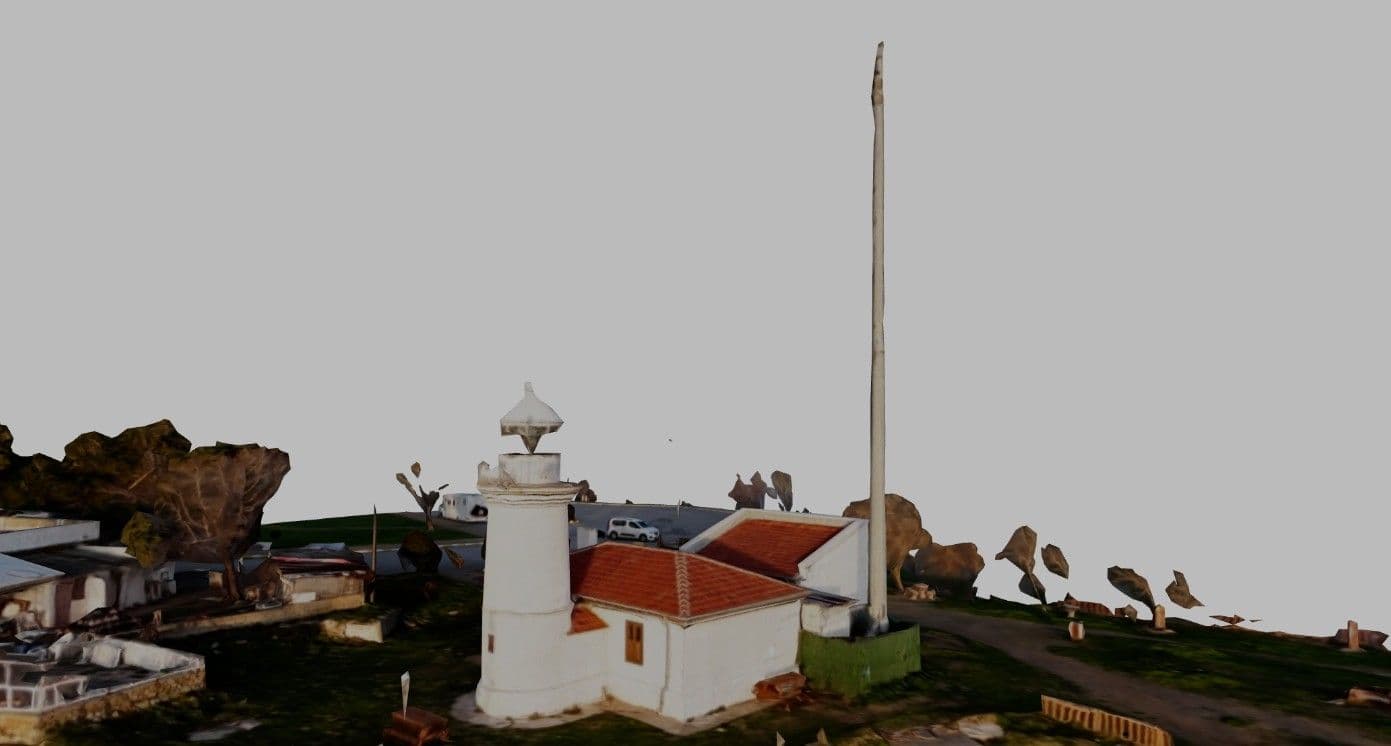
17500 Gelibolu/Çanakkale, Türkiye
Gelibolu lighthouse marks the northern entrance to the narrow portion of the Dardanelles. This lighthouse marks the northern entrance to the narrow portion of the Dardanelles. Gelibolu (Gallipoli) was the scene of an unsuccessful siege by Allied troops in 1915…
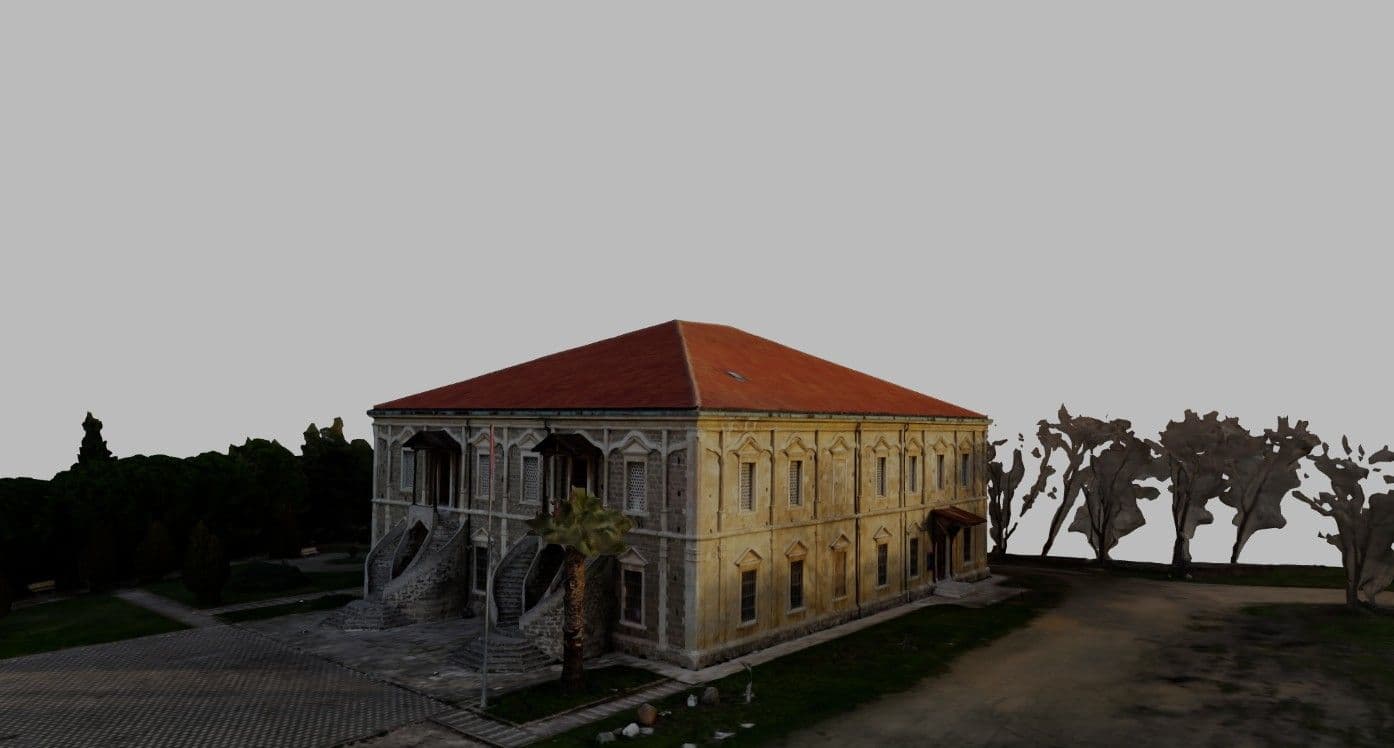
17500 Gelibolu/Çanakkale, Türkiye
The Gelibolu Mevlevi Lodge is one of the 15 Mevlevi Asitanes where dervishes were trained and religious practices were carried out. Founded in the 17th century (probably before 1621), the Gelibolu Mevlevi Lodge has the largest area and the most magnificent Sem…
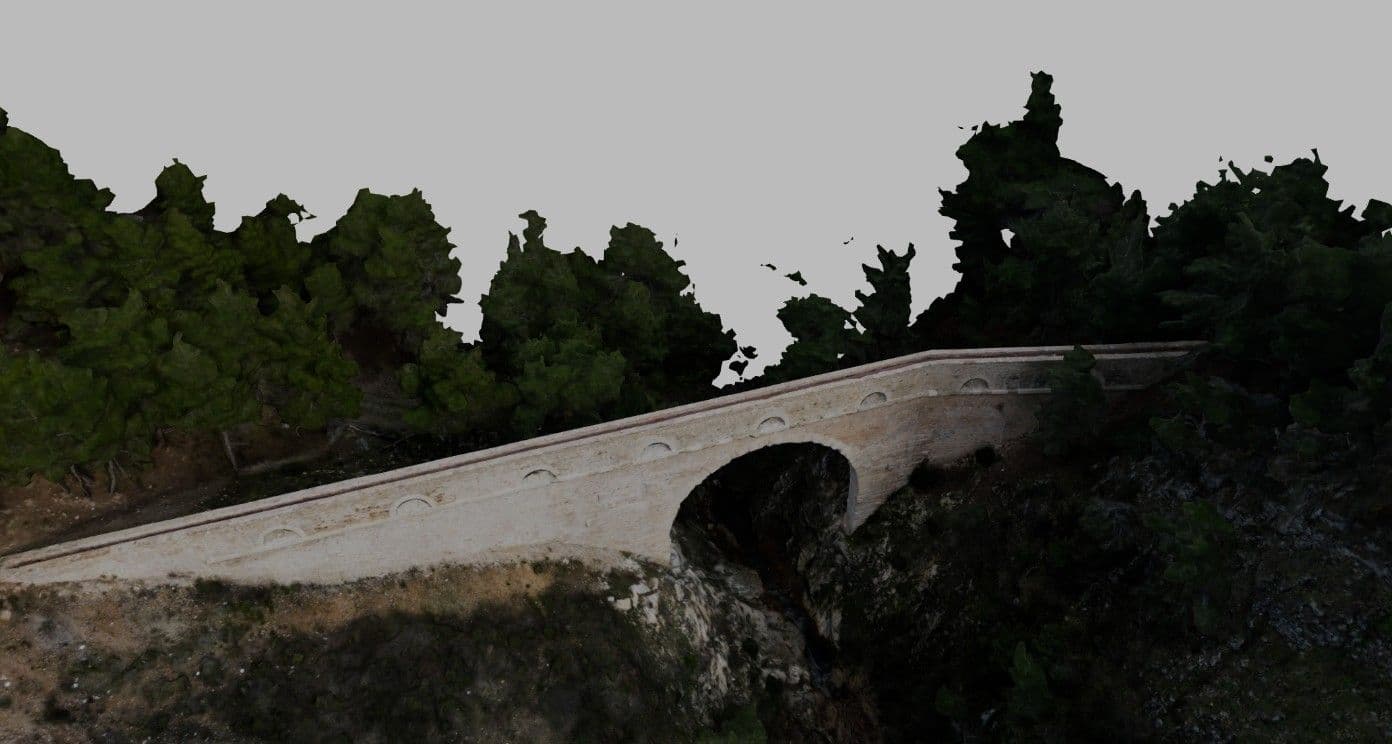
Ezine/Çanakkale, Türkiye
The Kemerdere Aqueduct, which was built during the Roman period to bring water to Troy, is located within the boundaries of Kemerdere Village. It is a very good example of natural stone workmanship, integrates with the small pond formed by the creek just below…
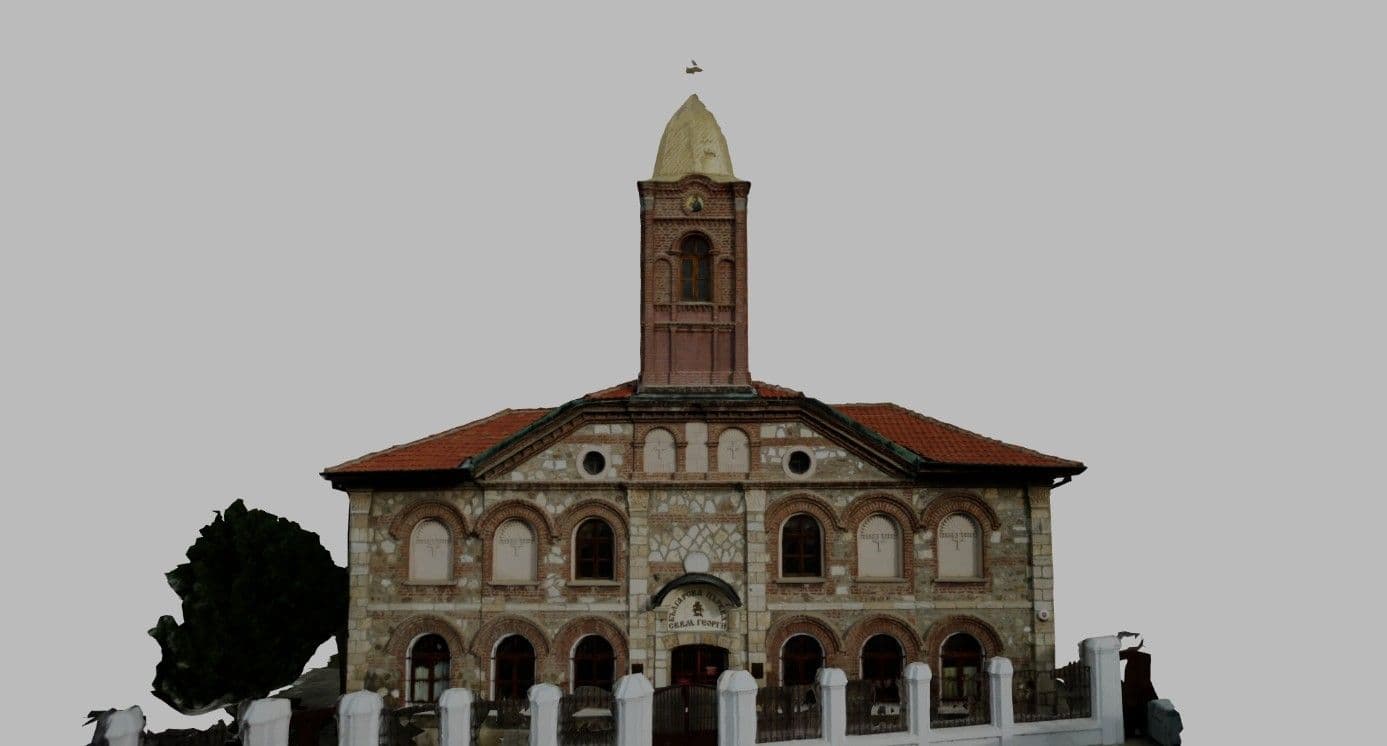
Edirne, Türkiye
St. George Bulgarian Church was erected on the basilica plan, unique to the late period of Bulgarian Renaissance. It was formally consecrated on the 9th of May, 1880, and the construction was realised with the permission of Sultan Abdul Hamid II by the governo…
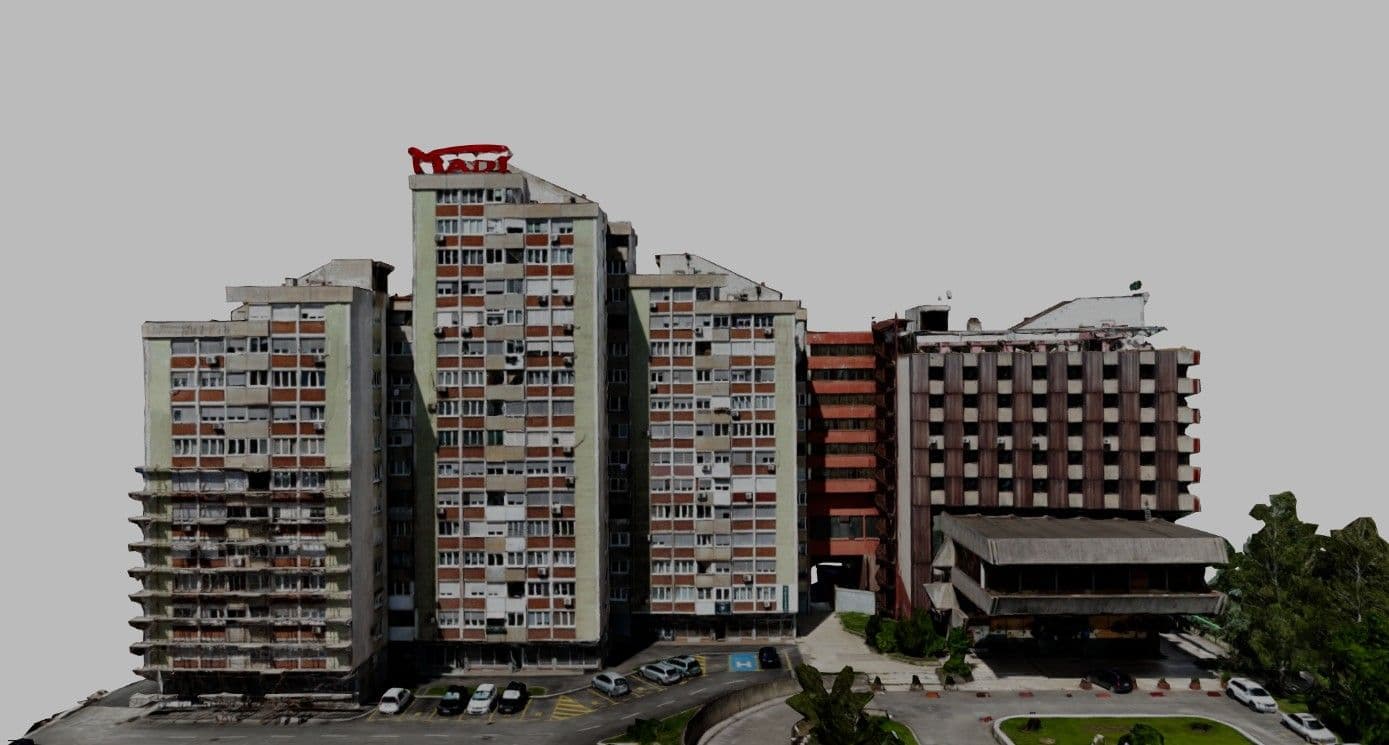
Zenica, Bosnia & Herzegovina
The Old Hotel Internacional, an architectural gem in the heart of Zenica, Bosnia and Herzegovina, has been closed for years due to neglect in the post-communist era. But it continues to live in urban memory and contemporary culture.
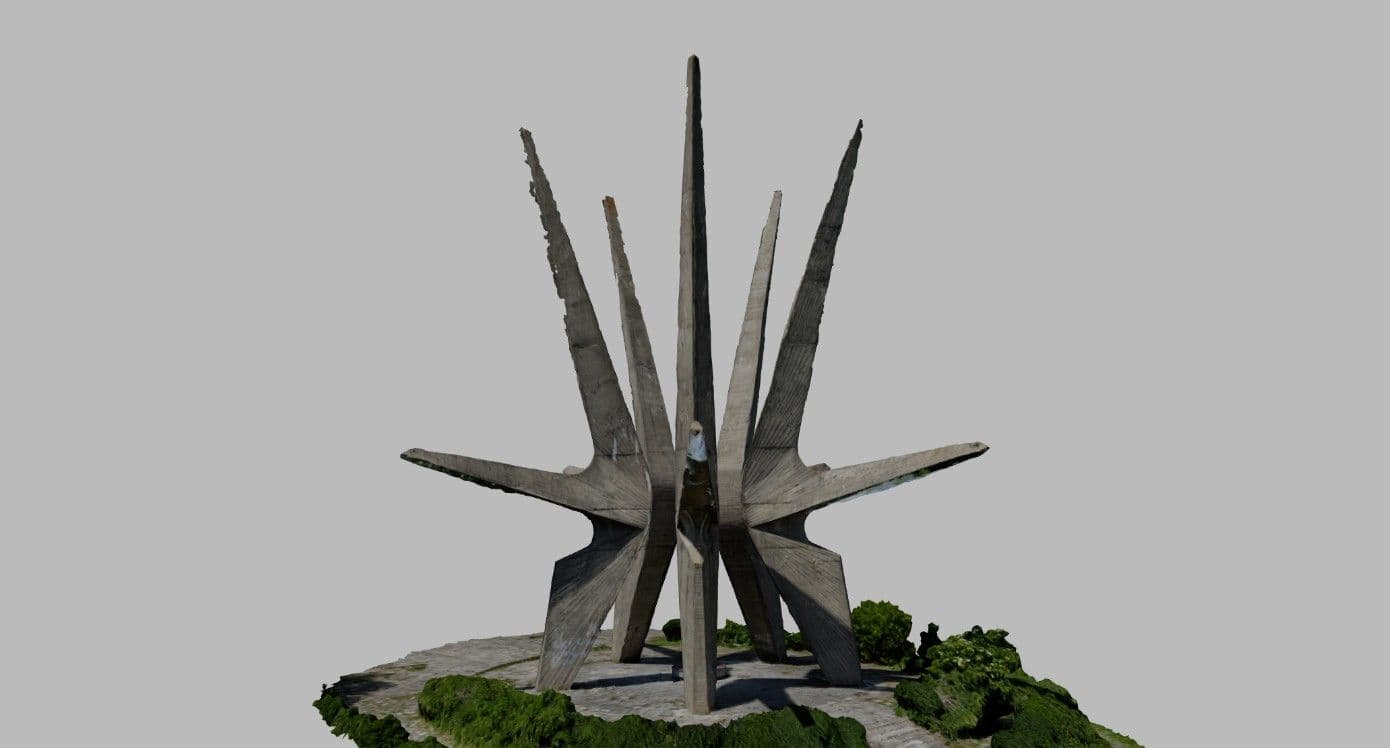
Belgrade, Serbia
The Monument to the Kosmaj Partisan Detachment is a monument located on Mali Vis, one of the three peaks of the Kosmaj mountain . The monument was built in 1971 and is dedicated to the Kosmaj Partisan Detachment , which operated on this terrain during the Nati…
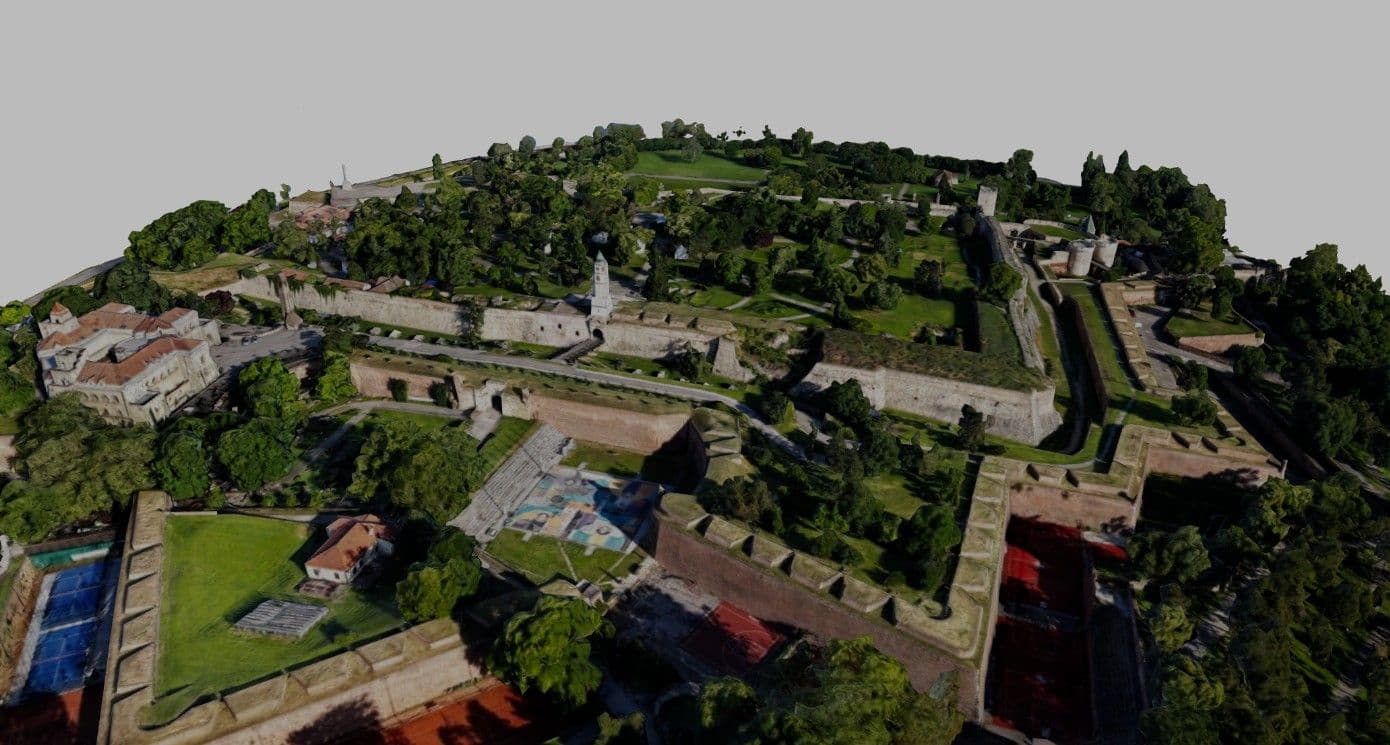
Beograd, Serbia
Belgrade Fortress, situated at the confluence of the Sava and Danube rivers in Serbia’s capital, Belgrade, has been a strategic stronghold since antiquity.
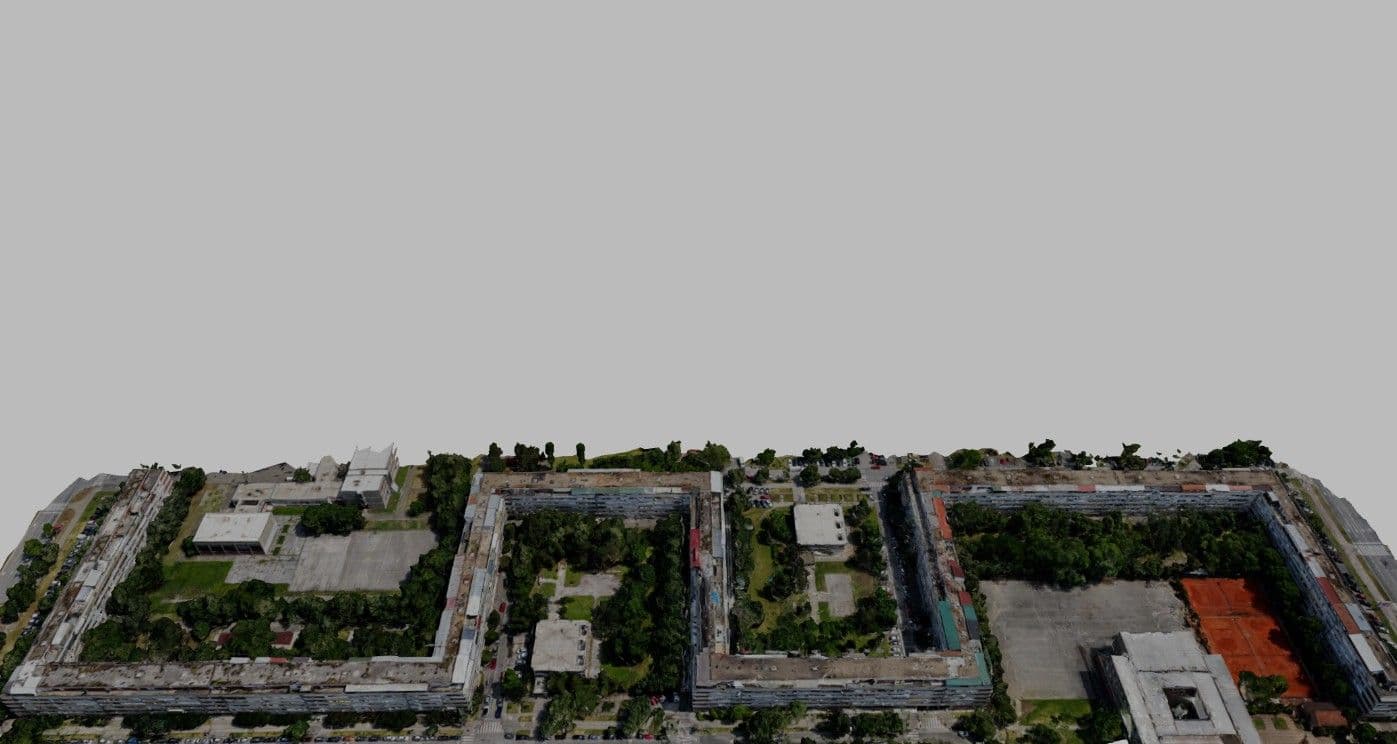
Beograd, Serbia
The Block 21, or the “Meander” building boldly reaches up into the sky. This residential titan of over 1,000m height was lovingly named “Kineski zid” (the Great Wall of China) or “Lamela”.
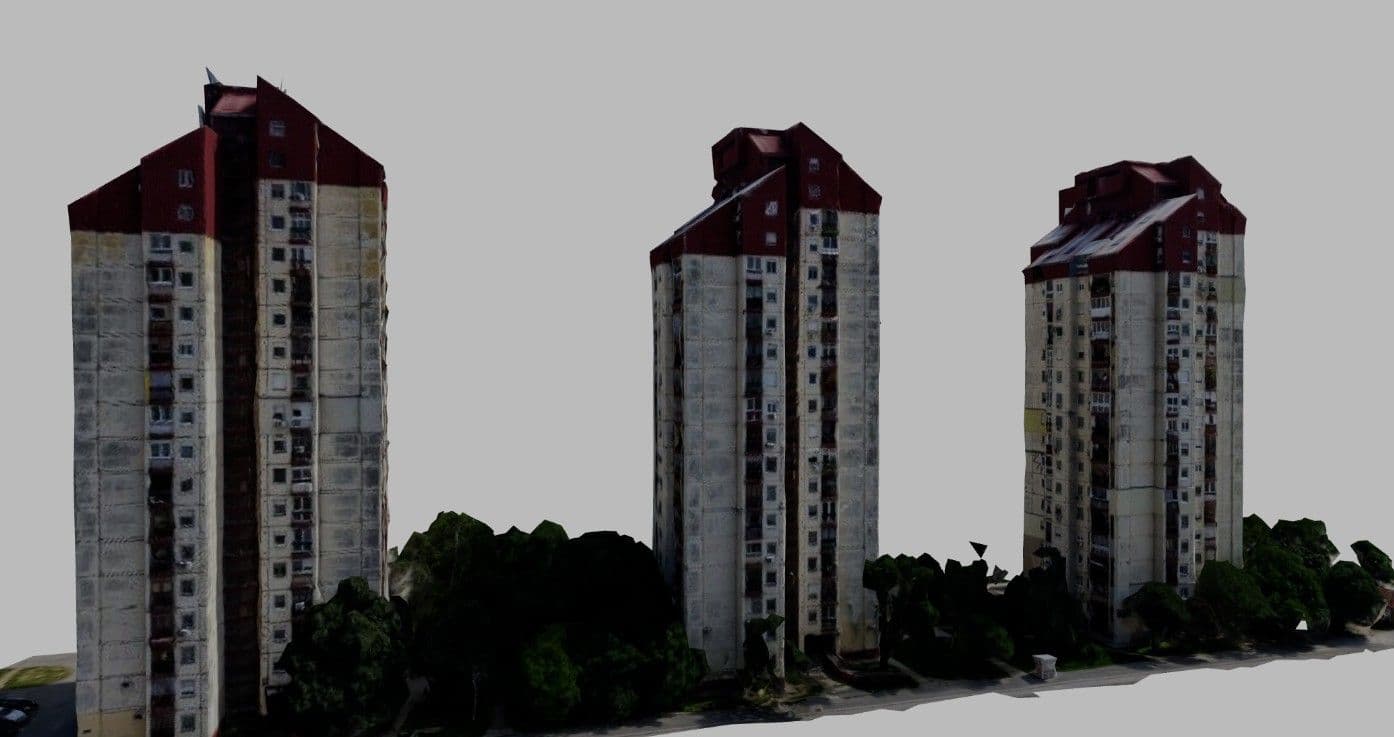
Novi Sad, Serbia
Liman 4 is an urban neighborhood in the city of Novi Sad, Serbia. The towers in Liman 4, Novi Sad’s concrete sentinels, stand defiantly at 75 meters, their scarlet roofs slicing through the horizon.
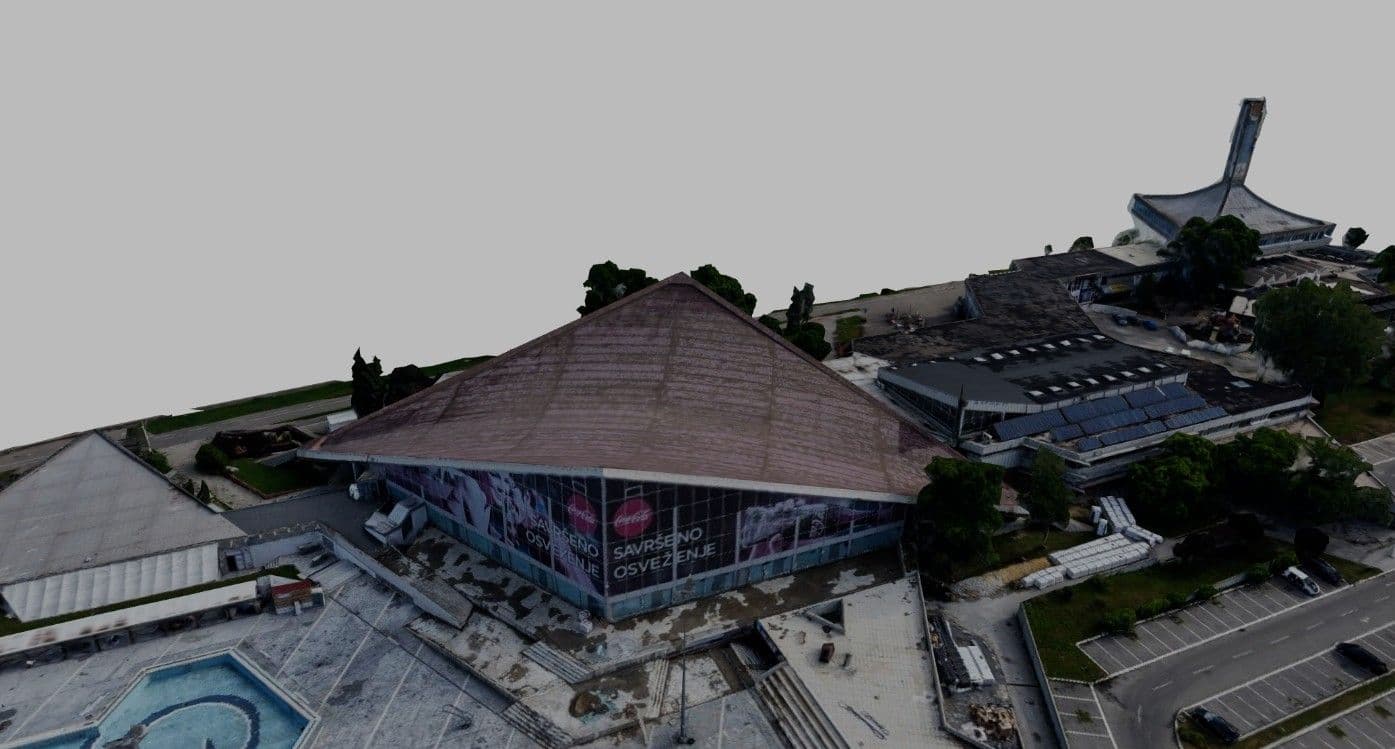
Beograd, Serbia
The Sports and Recreational Center "Milan Gale Muškatirović", often referred to by its former name "25. maj", is a prominent sports complex located in Belgrade, Serbia. Situated at the foot of the Kalemegdan fortress, it is celebrated for its scenic location a…
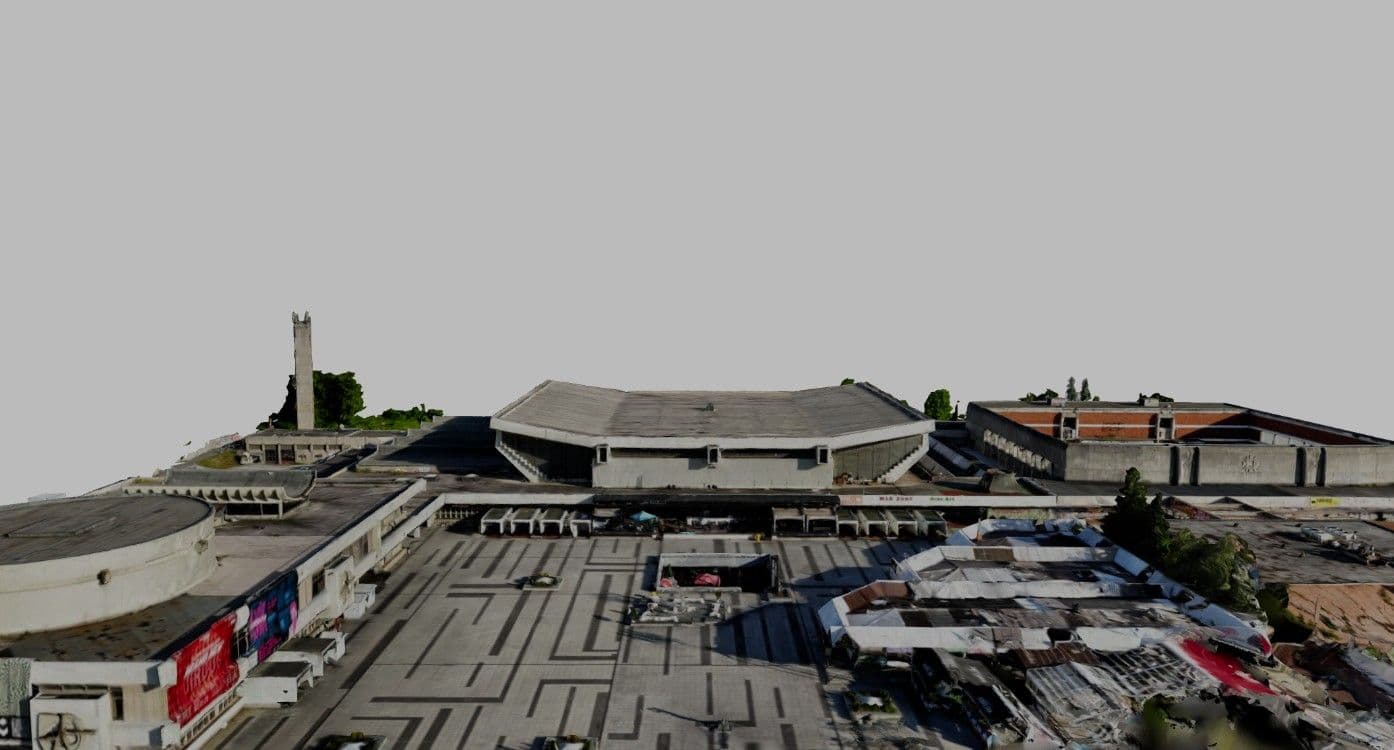
Sarajevo, Bosnia & Herzegovina
Centar Skenderija is a cultural, sports, and trade center located in Sarajevo, Bosnia and Herzegovina. The complex covers an area of 70,000 square meters and includes multipurpose halls for various sports, concert and cultural venues, and trade areas.
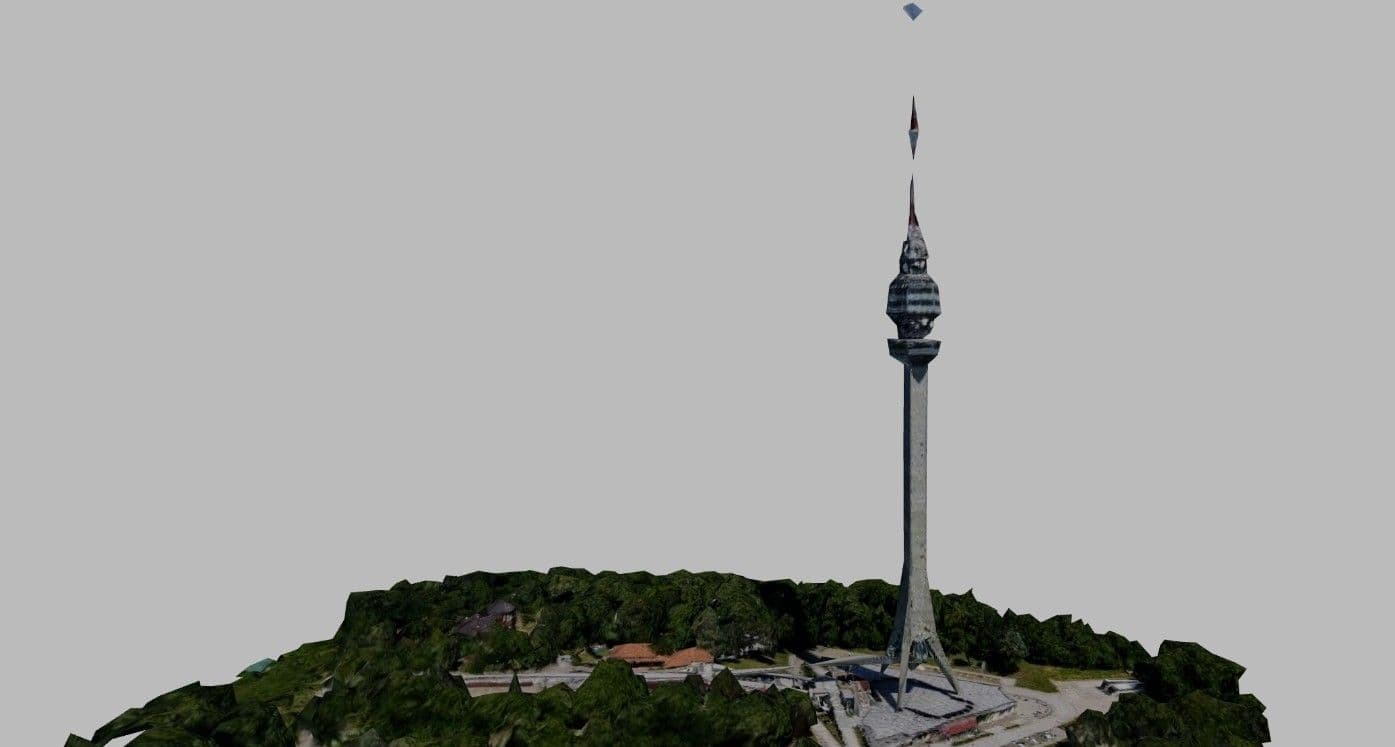
Beograd, Serbia
The Avala Tower is a 204.68m tall telecommunications tower located on Mount Avala, in Belgrade, Serbia. The original tower was finished in 1965, but was destroyed on 29 April 1999, during the NATO bombing of Yugoslavia. The tower's reconstruction commenced in…
Novi Pazar, Serbia
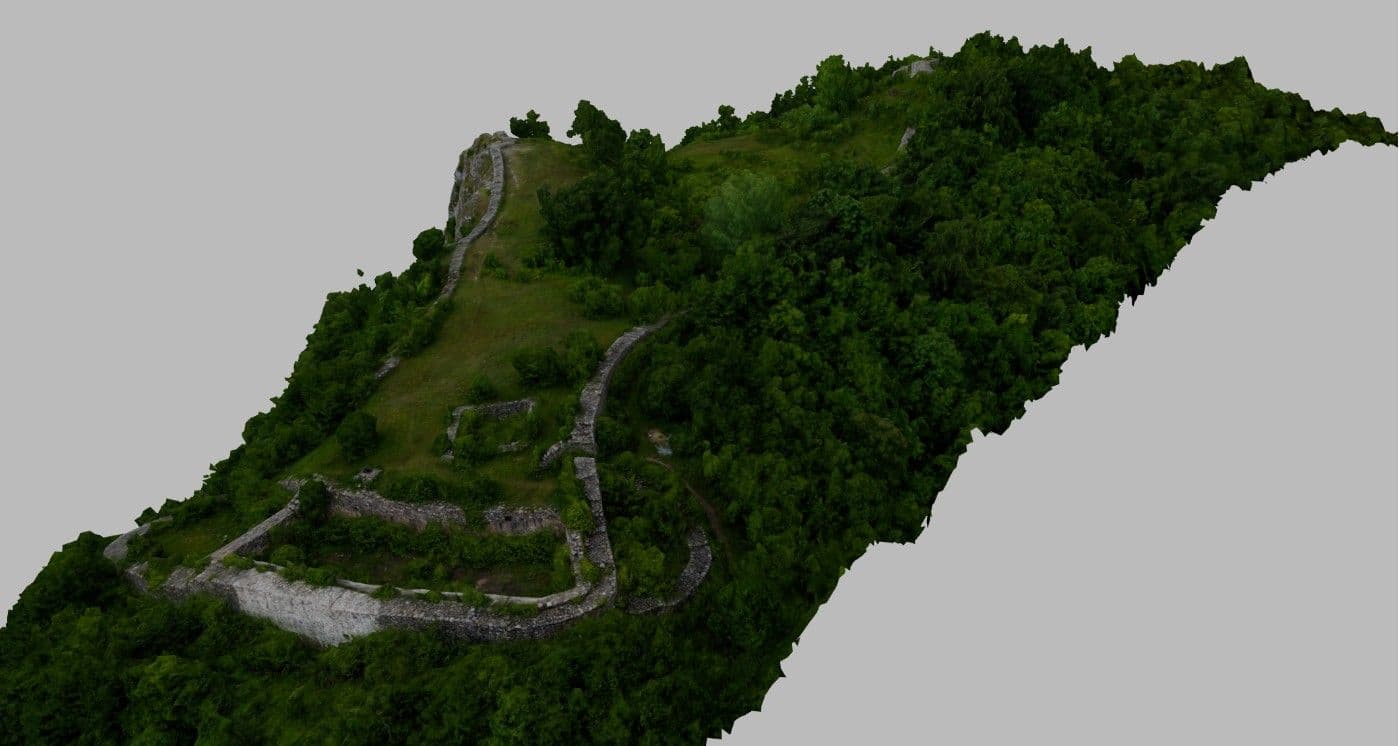
The Stari Ras Cave is part of the larger Stari Ras archaeological complex, located near Novi Pazar in Serbia. This complex was the first capital of the medieval Serbian state of Raška. The cave itself is a significant historical and natural landmark.
Novi Pazar, Serbia
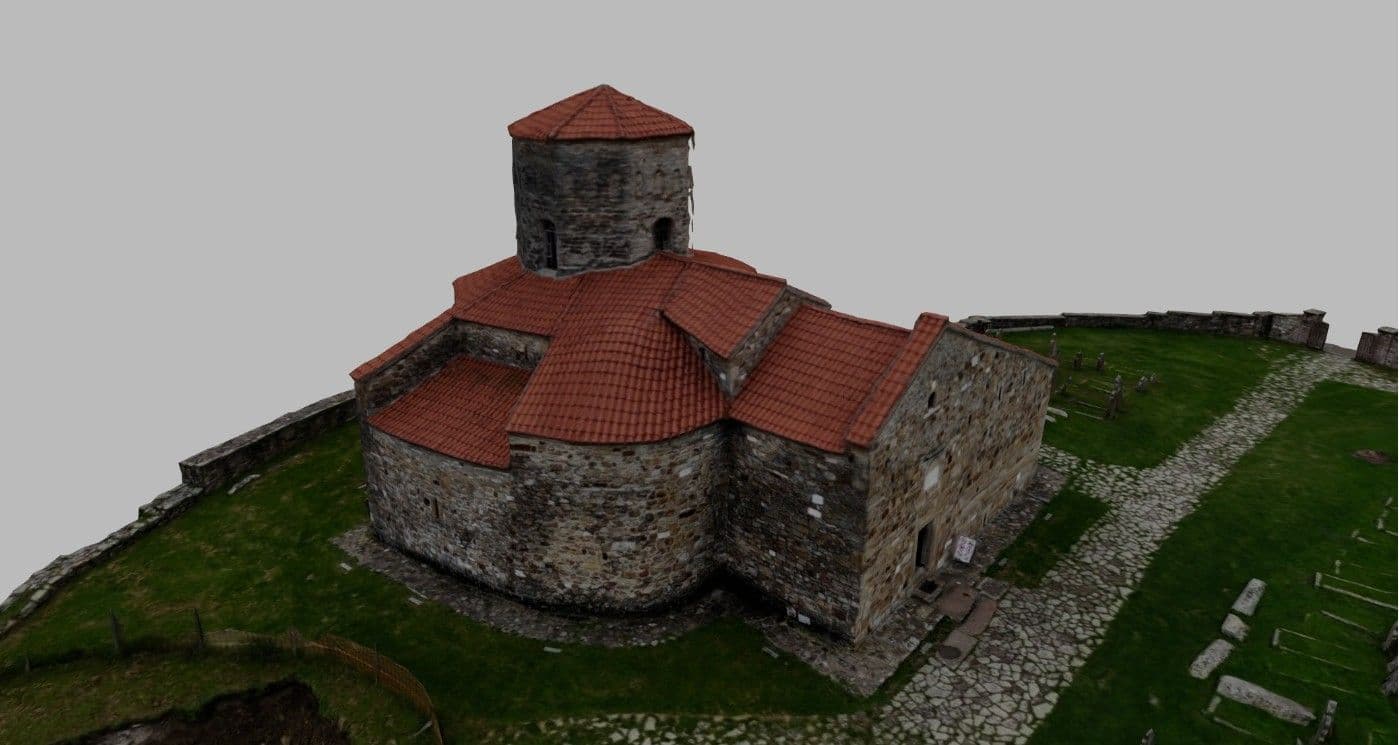
The Church of the Holy Apostles Peter and Paul in Novi Pazar is a Serbian Orthodox church, the oldest intact church in Serbia and one of the oldest ones in the region, situated on a hill of Ras, the medieval capital of the Serbian Grand Principality (Rascia).
Novi Pazar, Serbia
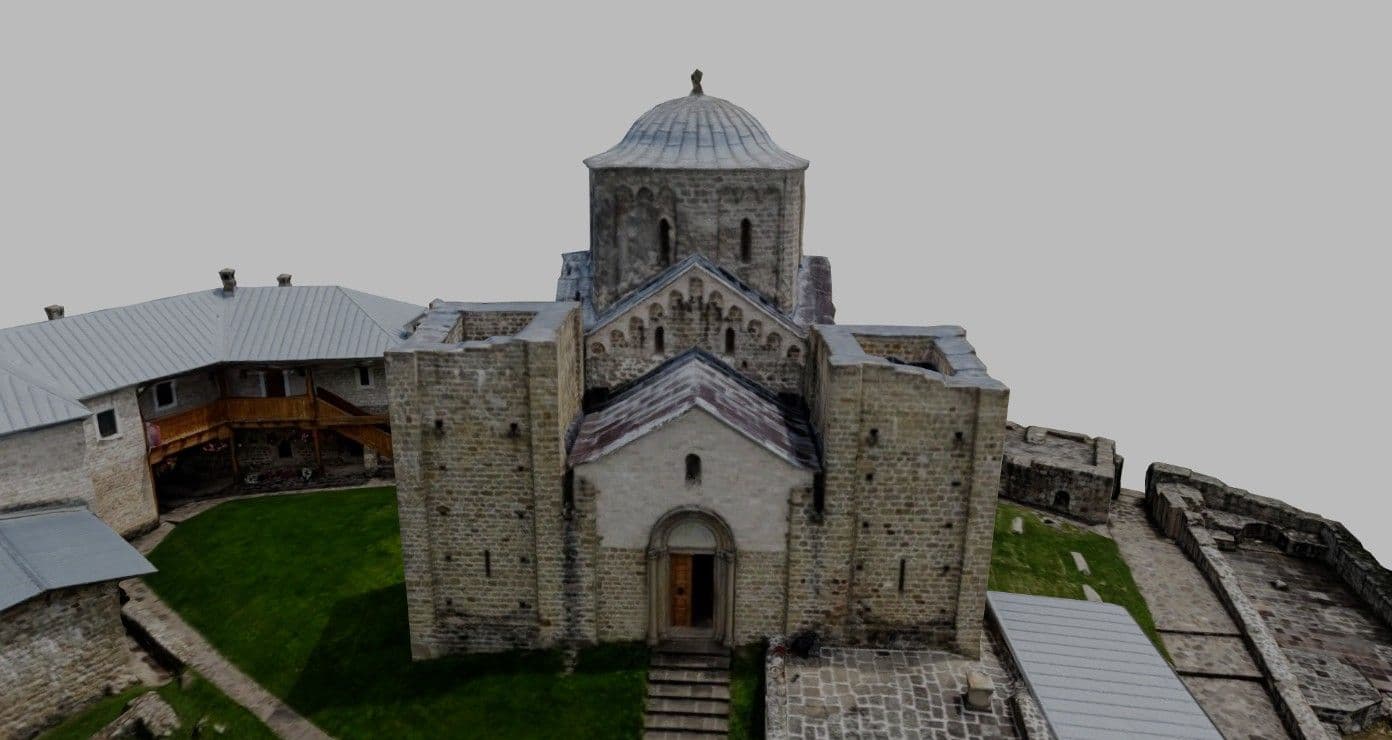
Đurđevi Stupovi, which translates to the "Pillars of St. George," is a Serbian Orthodox monastery located on a hill overlooking Novi Pazar, in the Raška region of Serbia. It is a significant monument of Serbian medieval architecture and is part of the Stari Ra…
Arilje, Serbia
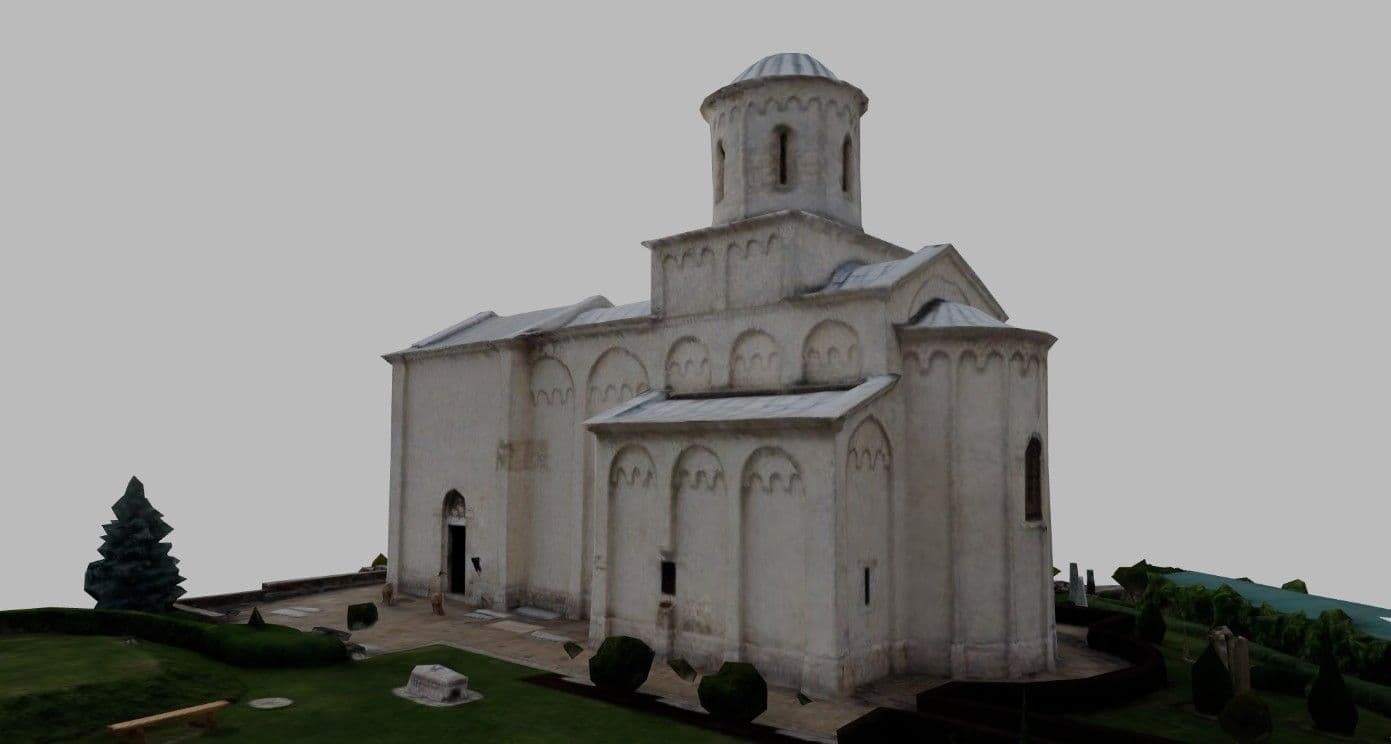
The Church of St. Achillius or the Arilje Monastery is a Serbian Orthodox church in Arilje, western Serbia. It is dedicated to Saint Achillius of Larissa, a fighter against Arianism.
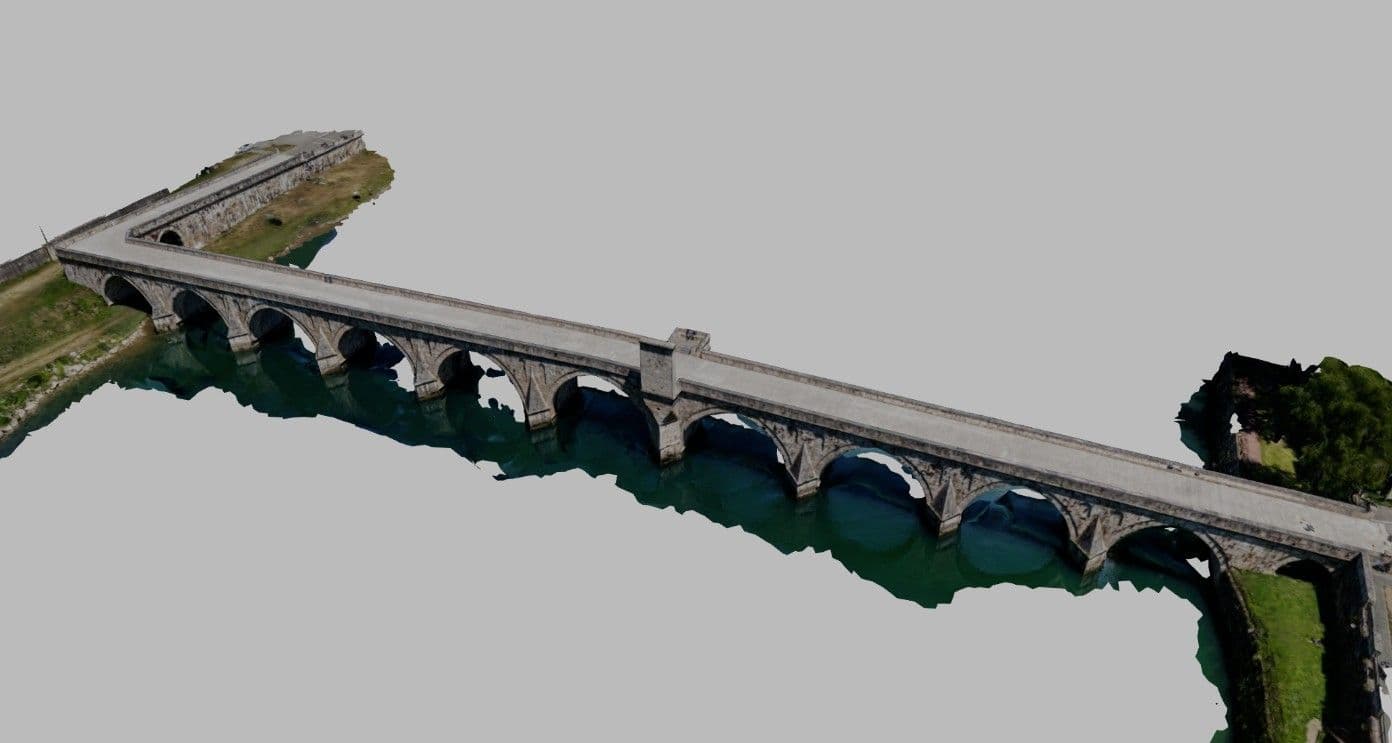
Višegrad, Bosnia & Herzegovina
The Mehmed Paša Sokolović Bridge is a historic bridge in Višegrad, over the Drina River in eastern Bosnia and Herzegovina part of the Republika Srpska entity. It was completed in 1577 by the Ottoman court architect Mimar Sinan on the order of the Grand Vizier…
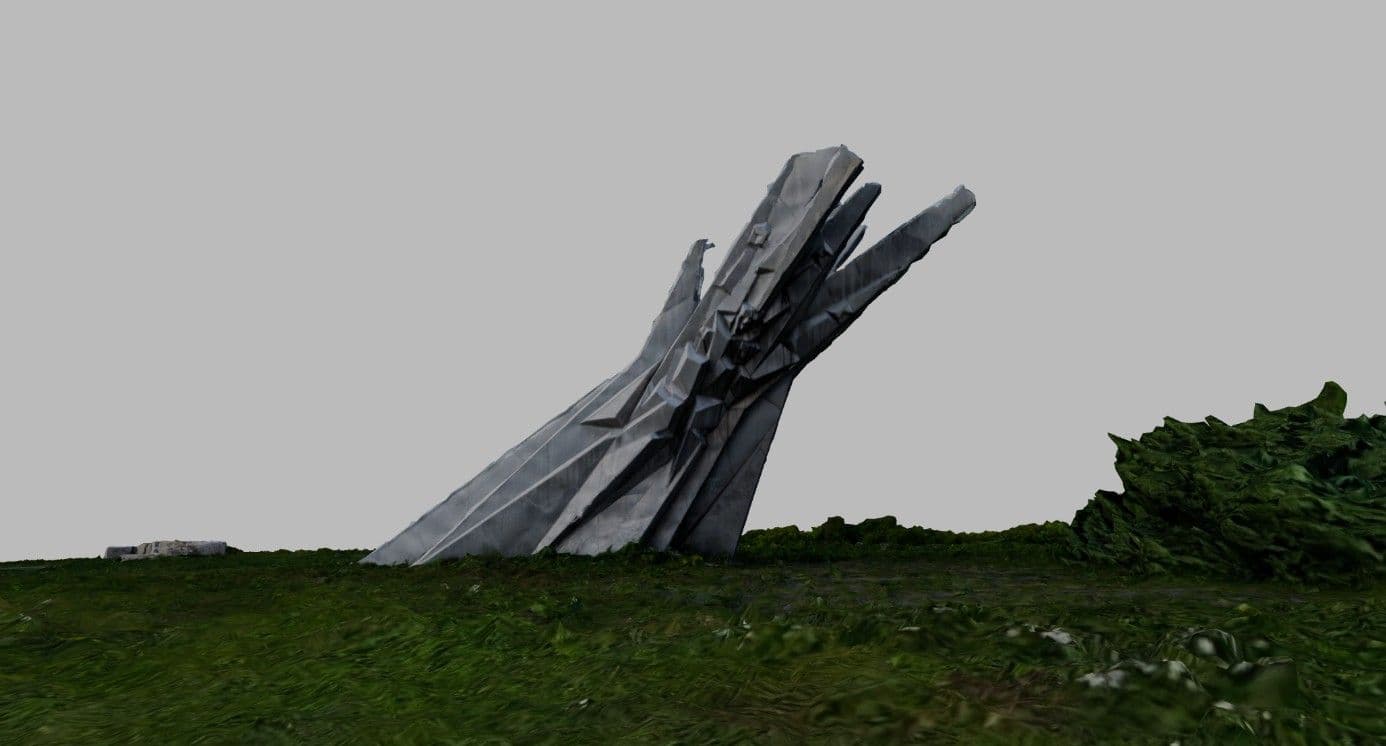
Čačak, Serbia
The Monument to Courage at Ostra stands as a memorial to the fallen soldiers and veterans from the Čačak Partisan Detachment who were all from nearby city of Čačak, Serbia.
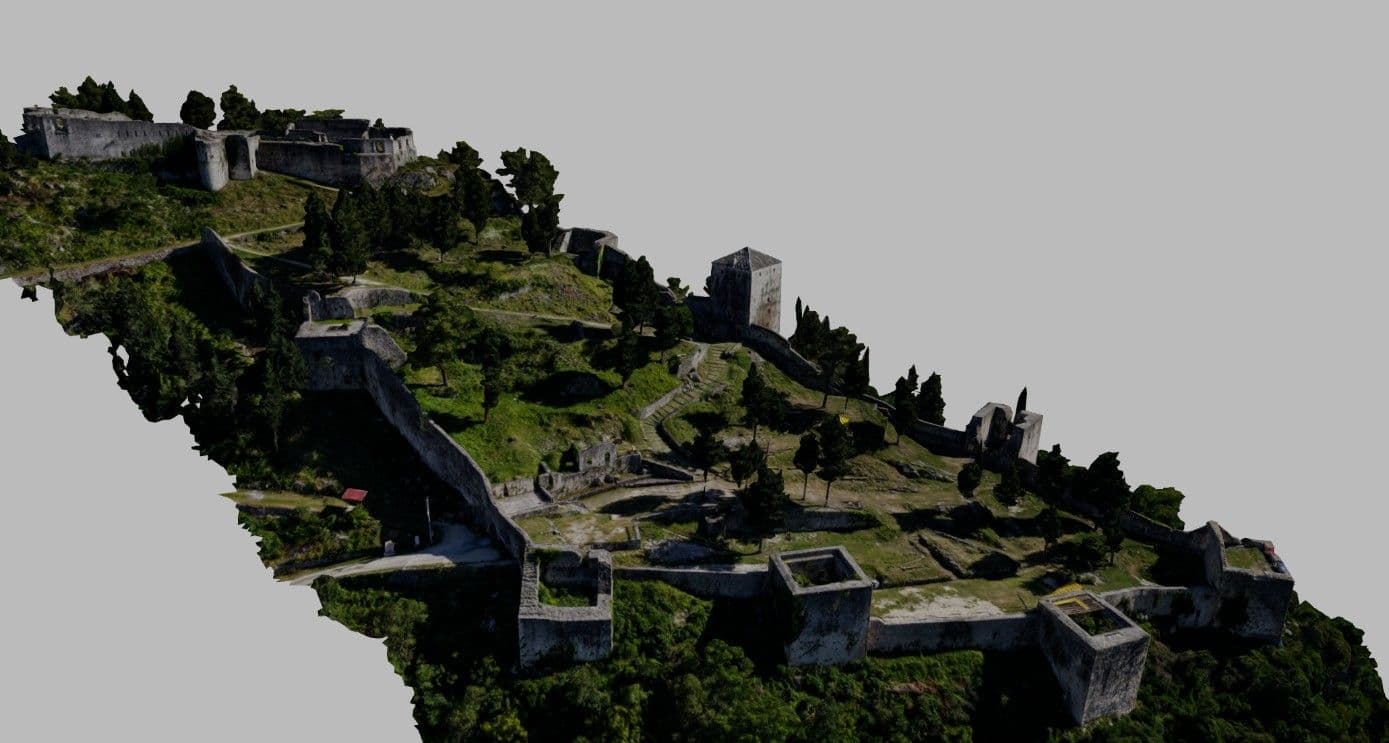
Ljubuški, West Herzegovina Canton, Bosnia & Herzegovina
The Herceg Stjepan Kosača Fortress is the most monumental archeological site of the Ljubuški, located on the prominent top of the karst chain of Buturovica hill (396 m above sea level) and as such is a symbol of the townof Ljubuški and Herzegovina.
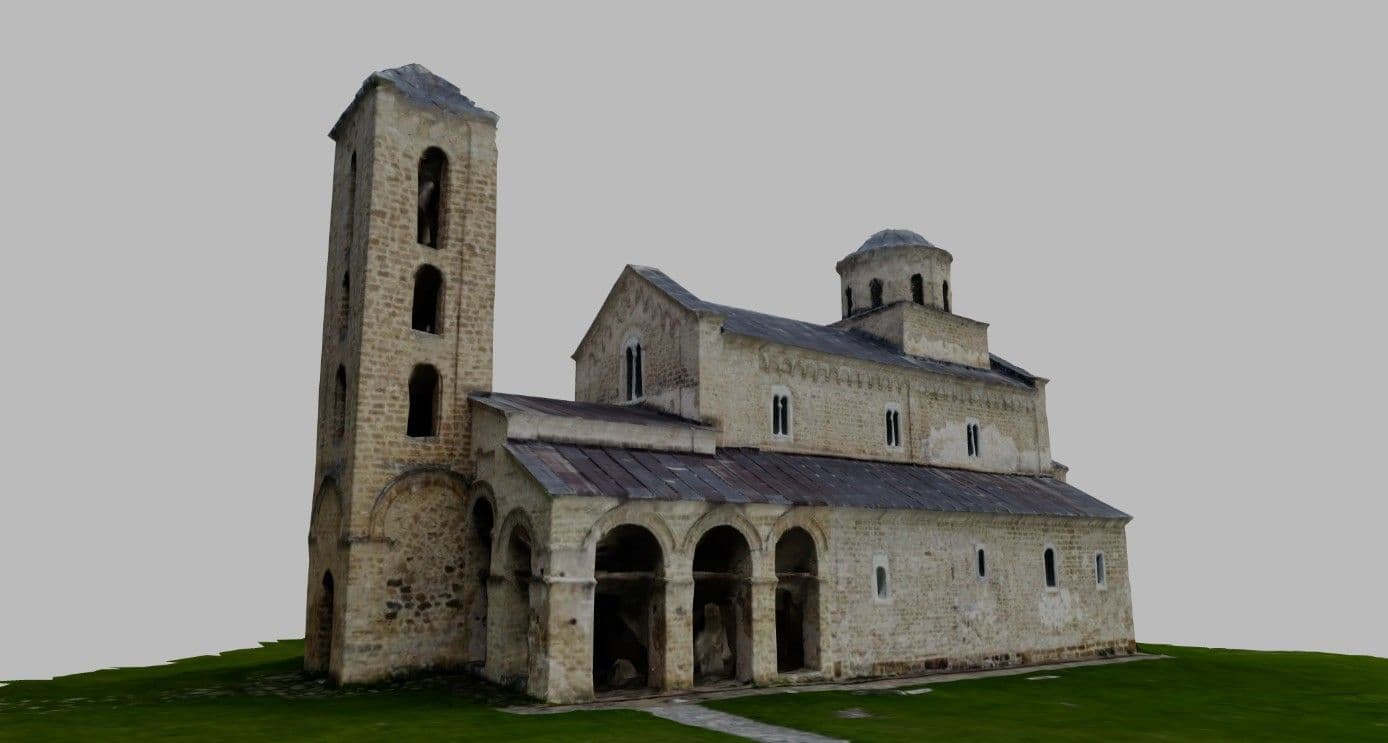
Novi Pazar, Serbia
The Sopoćani Monastery, an endowment of King Stefan Uroš I of Serbia, was built from 1259 to 1270, near the source of the Raška River in the region of Ras, the centre of the Serbian medieval state.