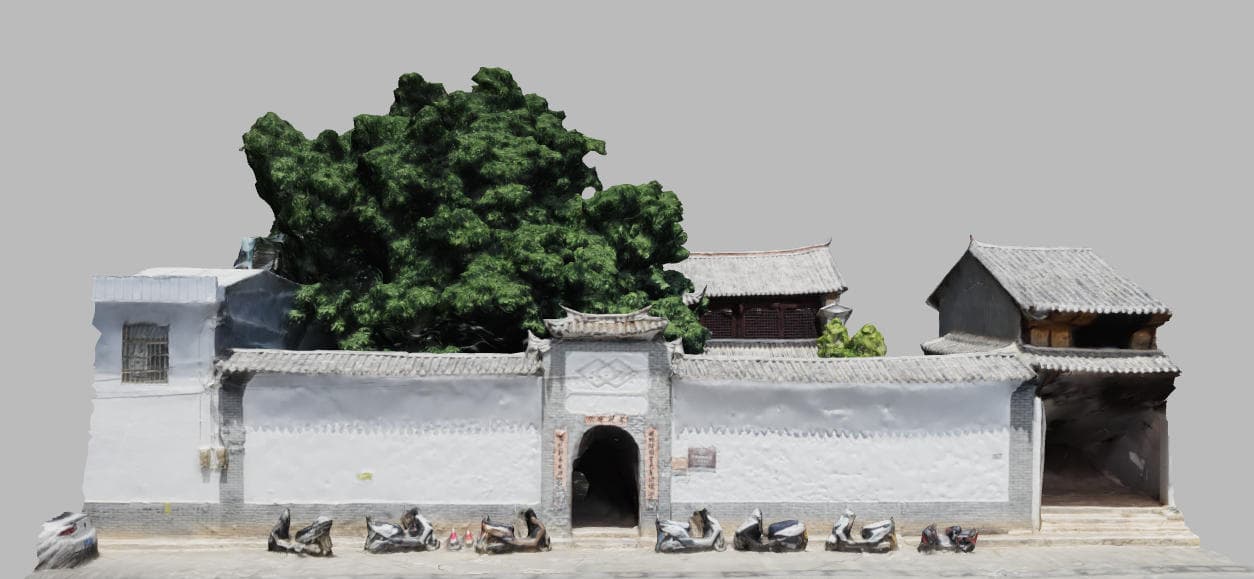
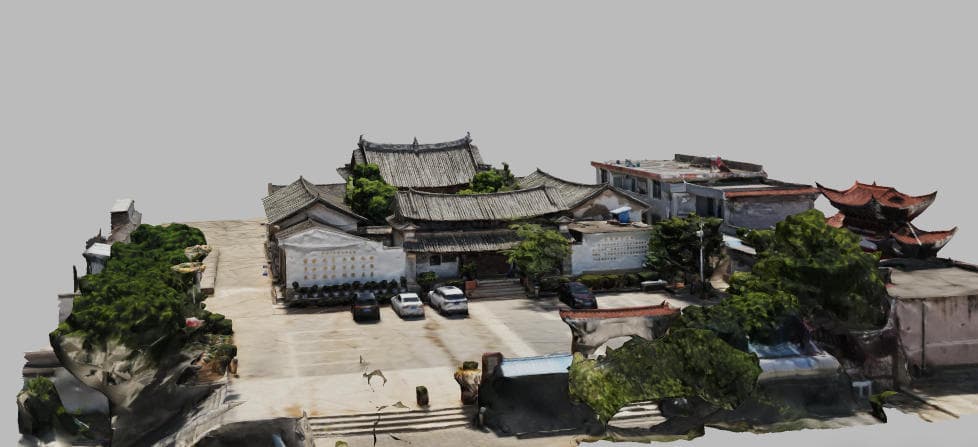
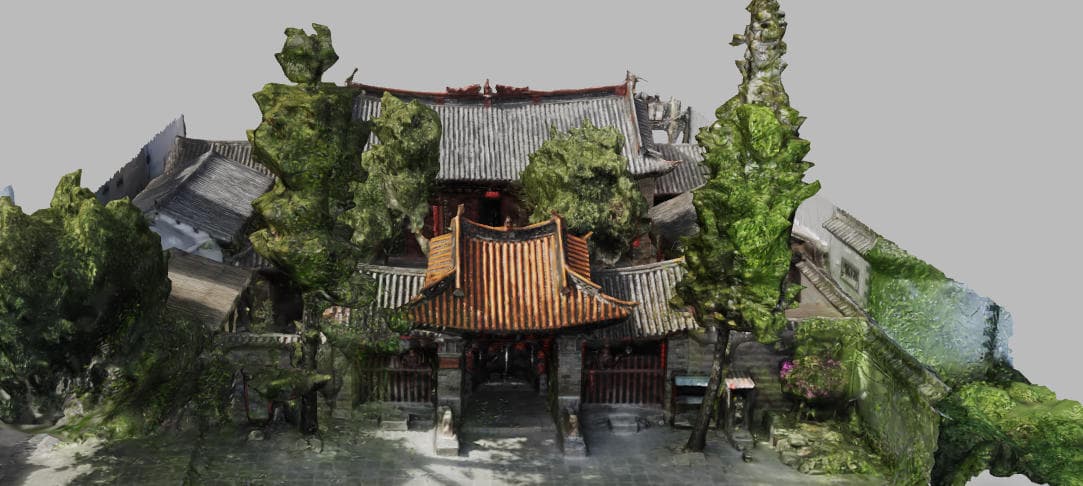
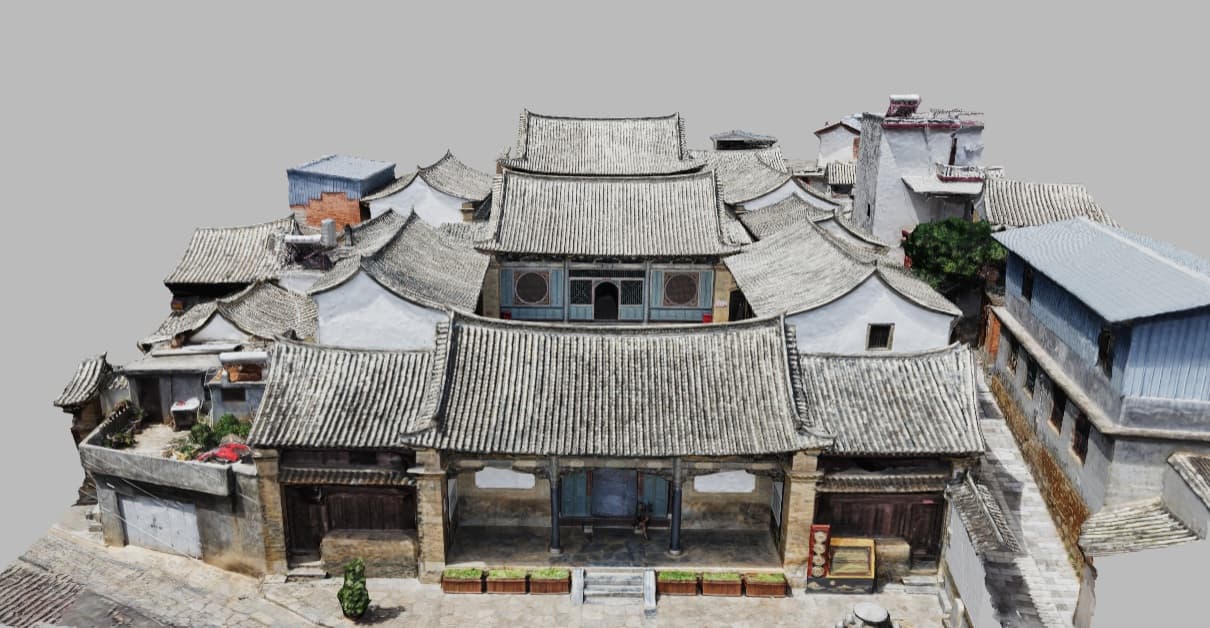
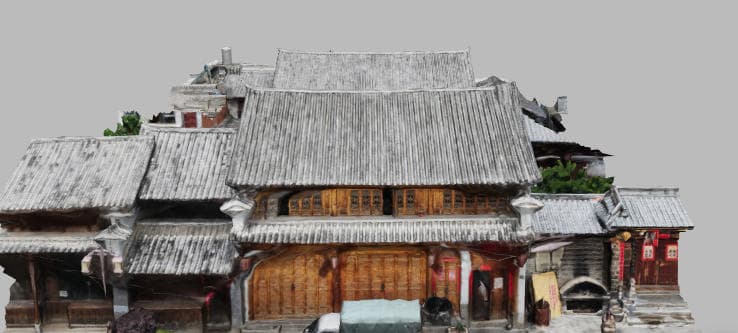
Along the historic corridor of Jiangxi Street in Luxi County, Yunnan, a restored wood-and-masonry building stands as a quiet sentinel. Once a dilapidated commercial shop, this 450-square-meter structure now houses the Zhang Yonghe Memorial Hall. The air inside carries the faint scent of aged timber and masonry, grounding visitors in the physical reality of a century-long journey.
Here, the life of Zhang Yonghe unfolds across 357 square meters of exhibition space. Born in 1902, Zhang became the first Communist Party member in Honghe Prefecture and the first party branch secretary at Shanghai's Chiao Tung University. The exhibition, themed around a pure heart of patriotism, divides his journey into four chronological chapters: the Light of Faith, the Fire of Revolution, the Rock of Conviction, and the Soul of the Nation.
The physical exhibits bring his personal struggles into sharp focus. Visitors can trace the elegant, ink-brushed characters on fragile, yellowed letters exchanged between Zhang and his classmate Lu Dingyi, whom he introduced to the party. Nearby, a pair of custom-made Jianshui purple clay vases, cool and smooth to the touch, bear engravings of his early student years. These objects sit alongside more than 200 historical documents and replicated archives donated by Shanghai Jiao Tong University.
Zhang’s path was defined by friction. He survived three separate imprisonments, rescued twice by the intervention of General Zhang Chong. During the quiet intervals of his underground work, he served as the principal of the provincial Luxi Normal School, using his administrative office to shield hunted revolutionaries.
The building itself represents a bridge across time and geography. Funded with four million RMB from Shanghai’s Xuhui District and the China South Industries Group, the hall opened on December 27, 2022. Today, it serves as a shared social practice base for the three branches of Jiao Tong University—Shanghai, Xi'an, and Southwest. As digital screens flicker with the biographical film Light of Faith, the rough-hewn walls of this former shop remind us that grand historical shifts begin in the quietest corners of the provinces.