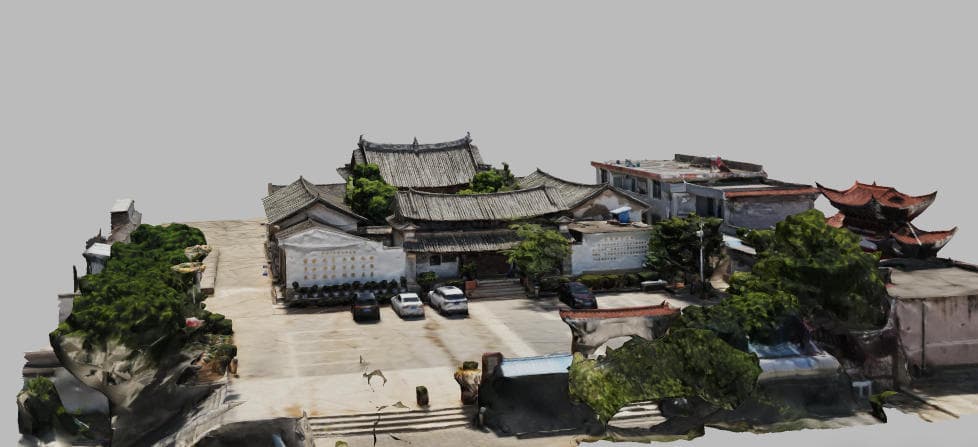
In Jianshui County, the ground tells a story of constant reshaping. At No. 60 Yinghui Road, south of the ancient city, the Zhang Ming Museum stands on a plot of land that once held 1990s-era brick-concrete bank offices and residential apartments.
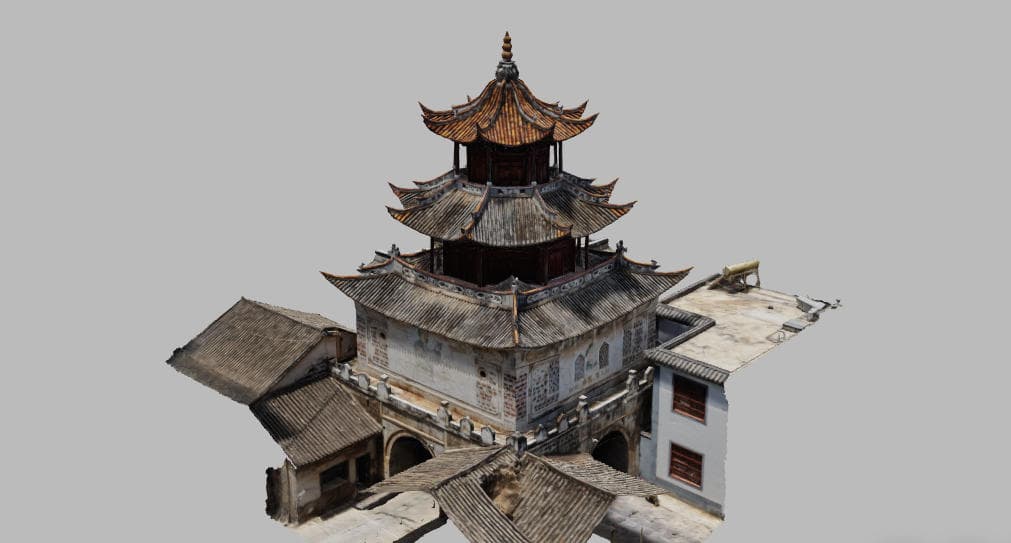
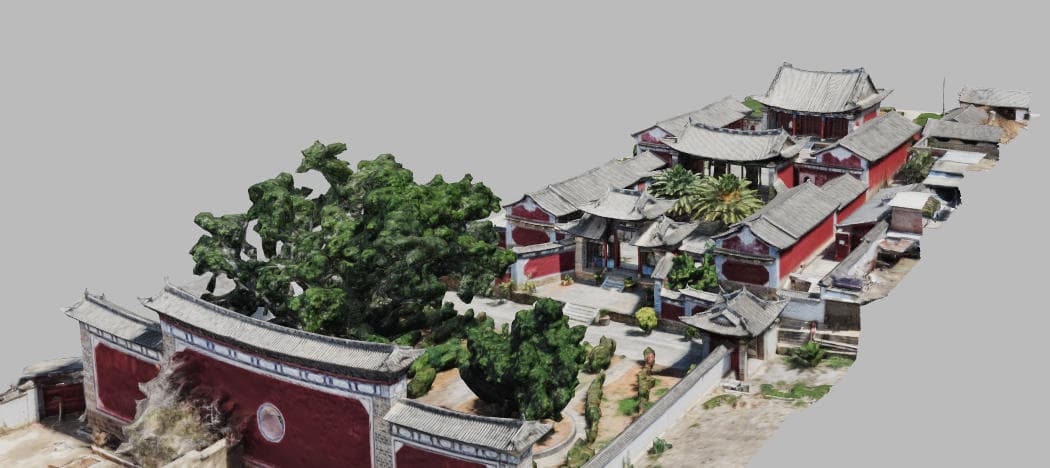
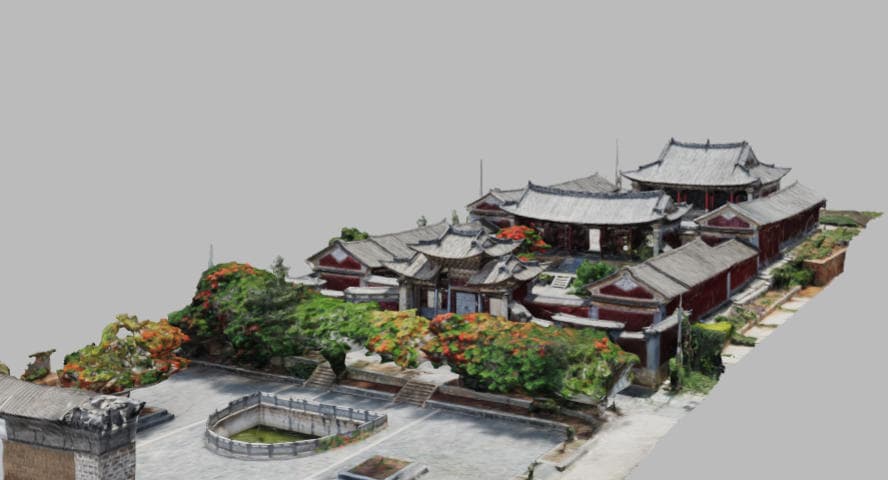
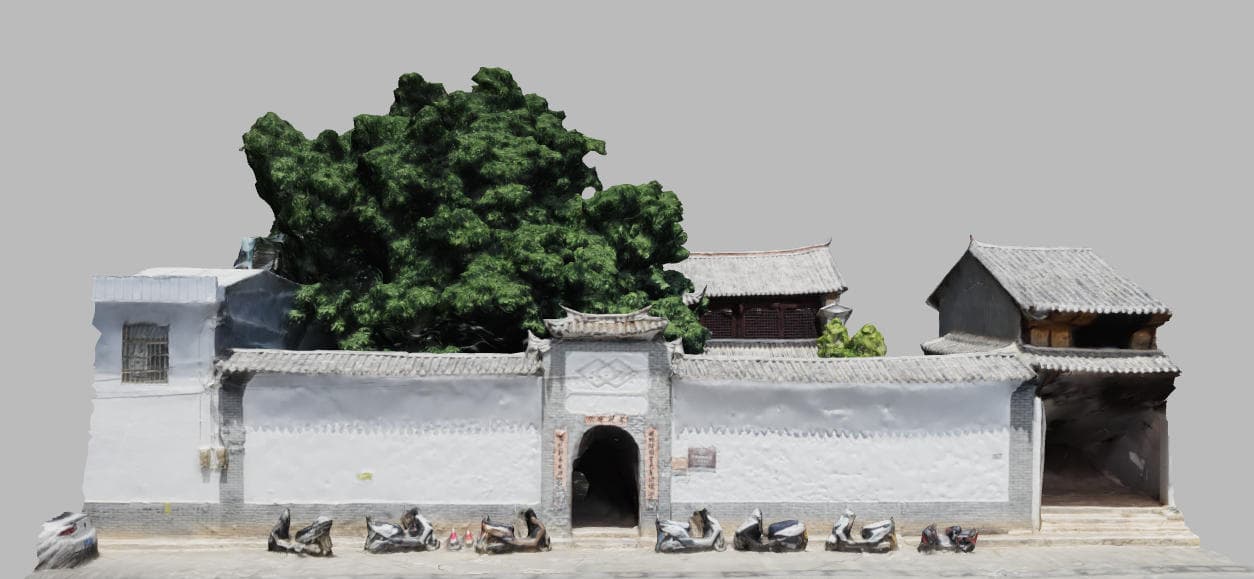
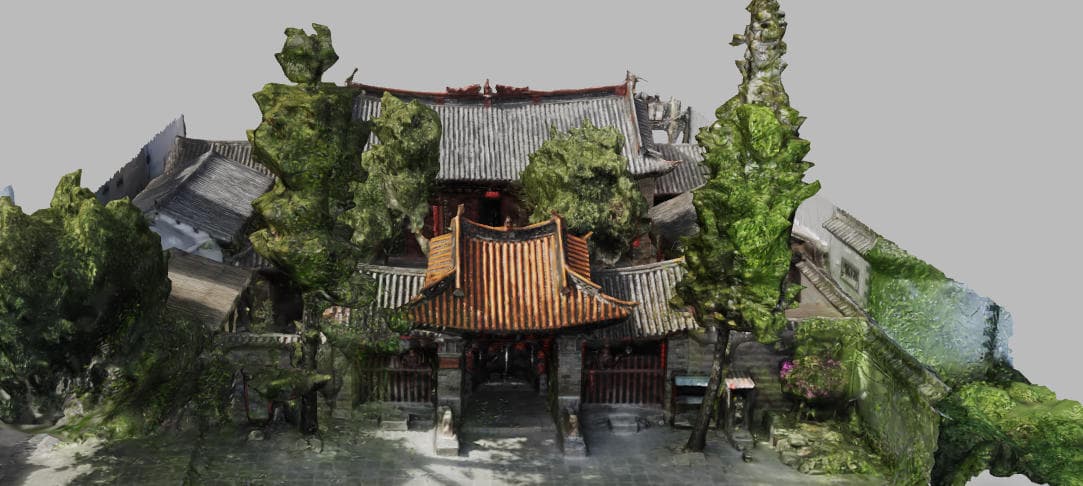
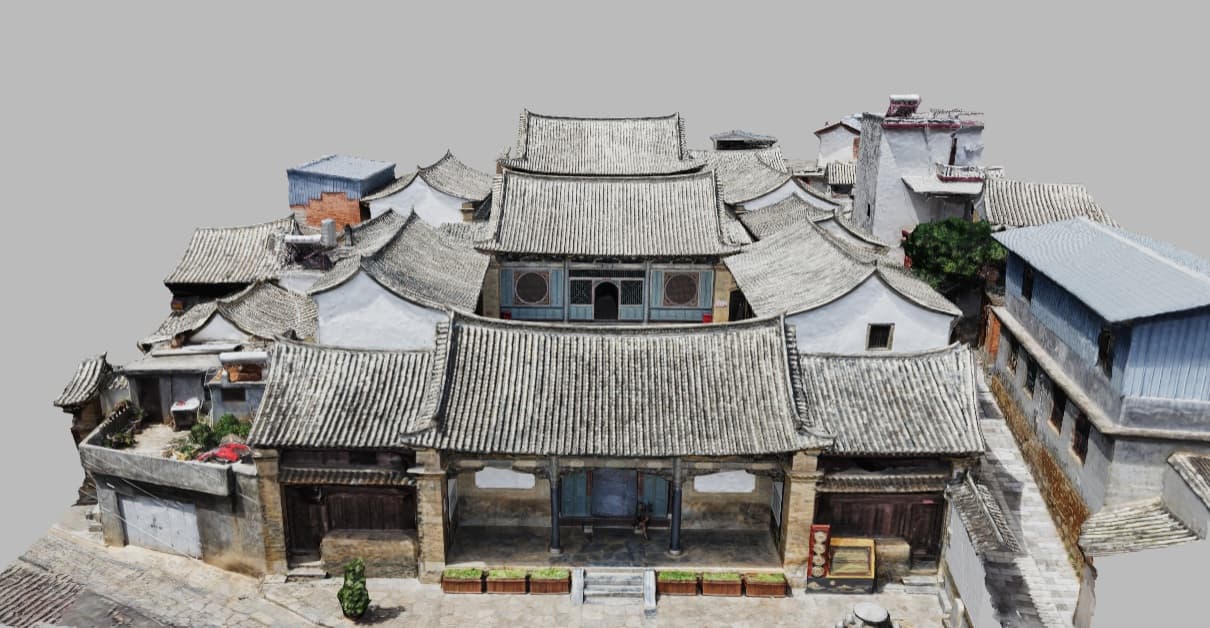
The architects worked with a 3.9-meter elevation drop between Yinghui Road on the west and Taishi Lane on the south. They split the 4,666-square-meter site into two terraces. Visitors feel this slope as they walk from the reception area down to the exhibition halls. The building embodies the philosophy of concealing, hiding, and integrating. Its exterior walls feature salvaged green bricks and grey clay roof tiles that carry the physical marks of the hands that made them. On the southeastern corner, a preserved Qing Dynasty residential structure remains intact, connecting the new museum to its historical neighbors.
Inside, the layout follows the traditional Southern Yunnan style, including the "three rooms and six ears with a lower flower hall" courtyard configuration. The air carries the faint scent of timber-frame systems. In the galleries, the permanent exhibition, "The Rivers and Mountains at Fingertips," displays over 300 relics collected by Zhang Ming over forty years.
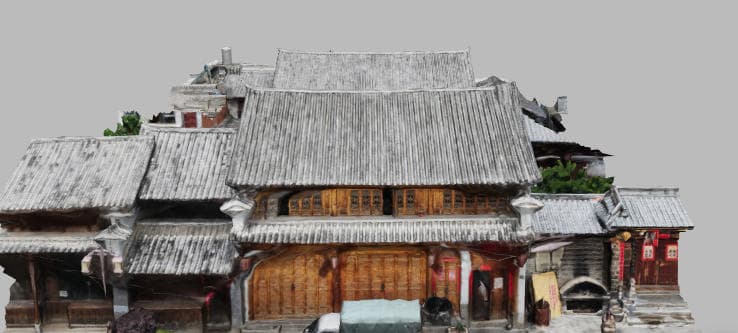
On the ground floor, single directional lights cast defined circular highlights on Jianshui purple pottery. This clay tradition dates back 3,500 years and was named one of China's four great potteries in 1953. Upstairs, visitors find twenty sets of historic partition doors and calligraphic works. The museum connects directly to the Yihe Mingtang Homestay, a boutique hotel housed in a renovated Jiaqing-era mansion. Here, the past is a physical presence, preserved in clay, wood, and stone.