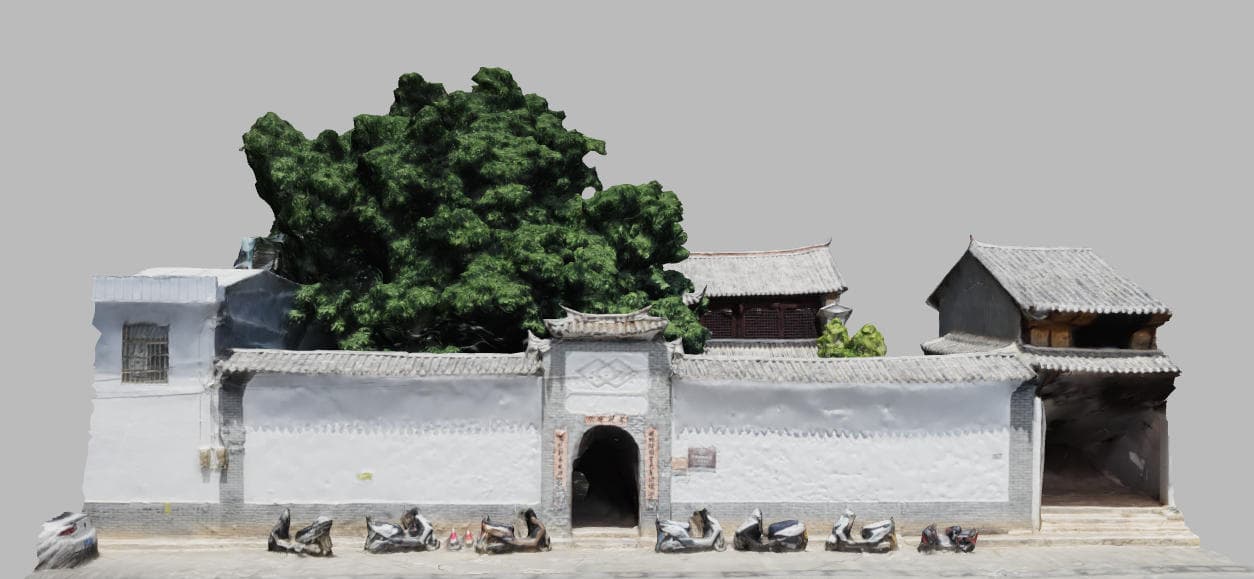
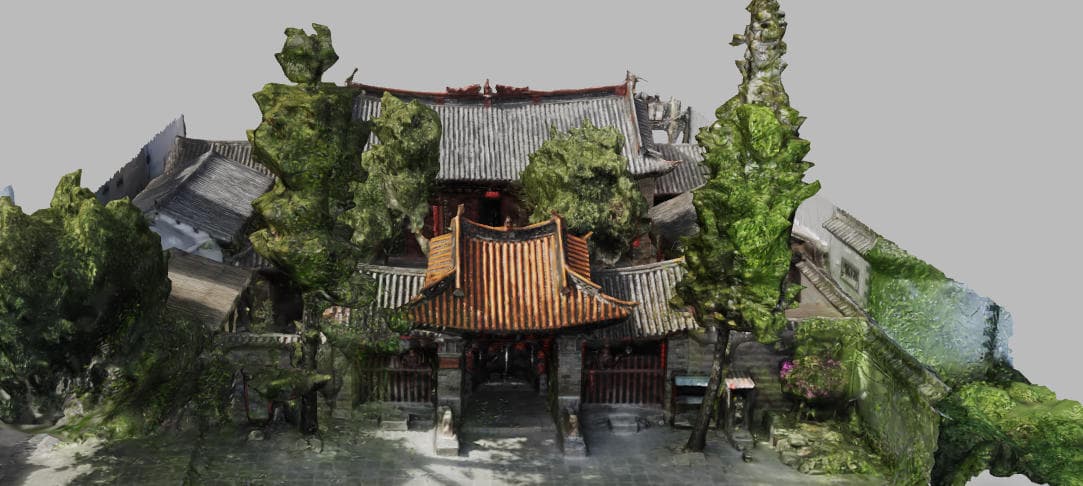
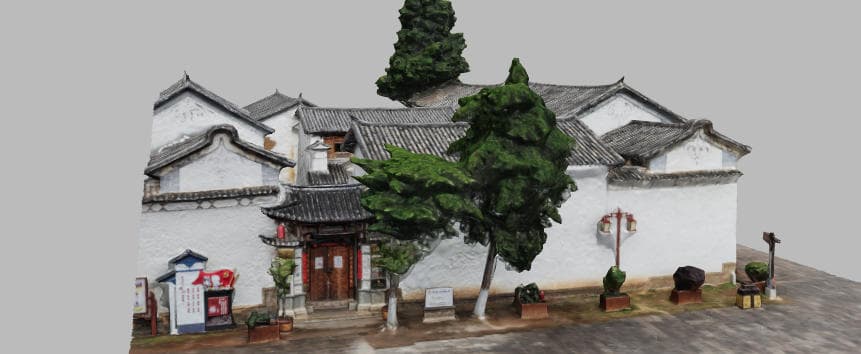
In the year 1500, during the thirteenth year of the Hongzhi reign of the Ming dynasty, a man named Zhang Mian chose a plot of land northwest of his father’s home to build his own. Located at No. 5 Wumafang on West Gate Street in Jianchuan County, Yunnan, this structure became a physical extension of family lineage, joining with the older house to form connected eastern and western courtyards. Today, the residence stands as a quiet survivor of Bai ethnic minority architecture, occupying a footprint of 404.61 square meters.
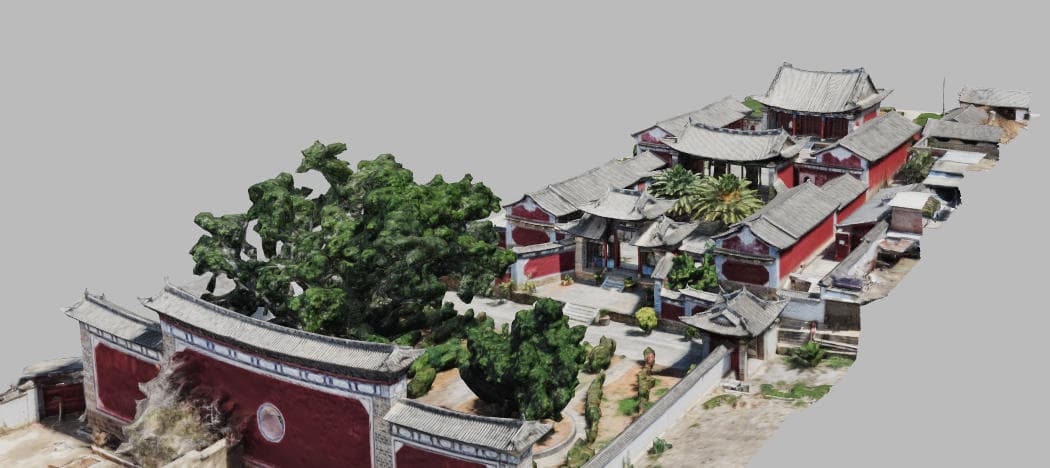
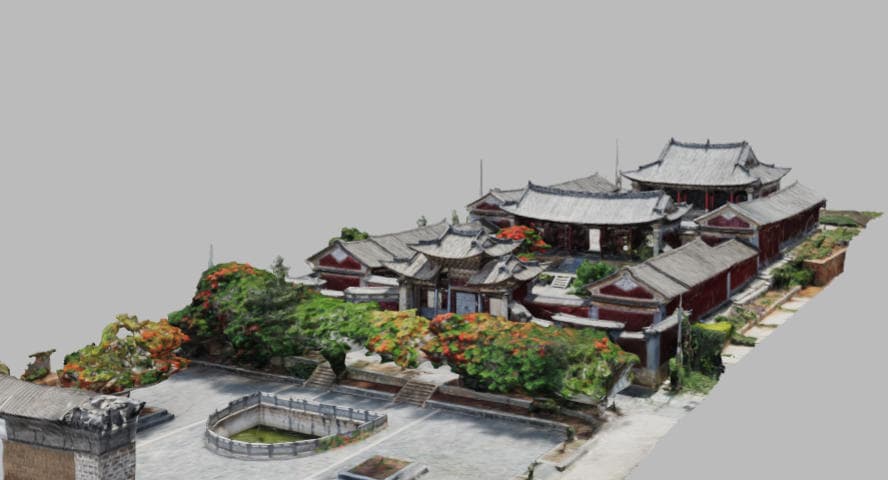
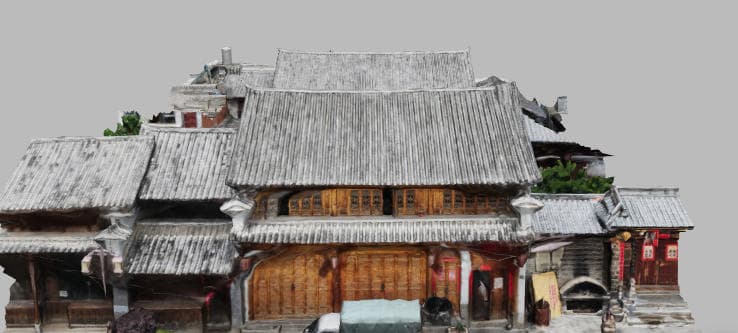
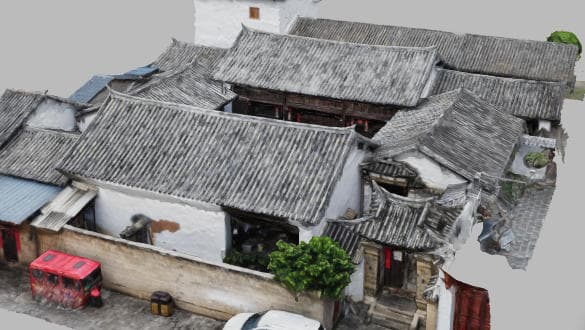
The layout of the residence faces east, drawing visitors into a traditional two-entry courtyard. Measuring 22.05 meters from east to west and 18.35 meters from north to south, the compound consists of a main house, a crossing hall, and a south wing-room. The main house rises two stories under a double-eaved hanging-hill roof. Inside, early-to-mid Ming dynasty carpentry reveals itself through the distinctive 'thick beams and slender columns' joinery. These heavy wooden members, supported by a column-and-tie structural frame, have held the building steady for over five centuries.
Artisans left their marks across the wooden surfaces of the main house. Under the front eaves, the wood bears carvings of lion figures, upward-facing lotuses, curling grass, swastikas, and ruyi patterns. These motifs offer a tactile connection to the spiritual and aesthetic world of the medieval Bai people. Across the courtyard, the two-story crossing hall features a hybrid post-and-lintel and column-and-tie timber frame, demonstrating the structural adaptability of the builders.
In May 2006, the State Council of China designated the property as a National Key Cultural Relics Protection Unit under the West Gate Street Ancient Architecture Group. The residence remains physically contiguous with other historic structures, including the Zhaozhong Ancestral Temple and He Keji’s Former Residence. It exists within a living, non-commercialized historic street, where the scent of old timber and the quiet rhythm of daily life preserve the authentic atmosphere of a bygone era.