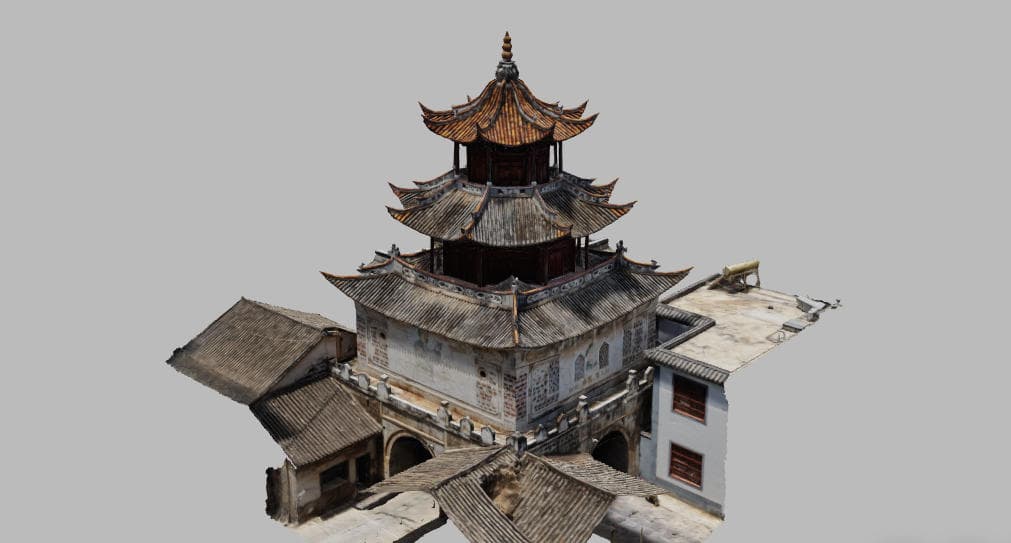
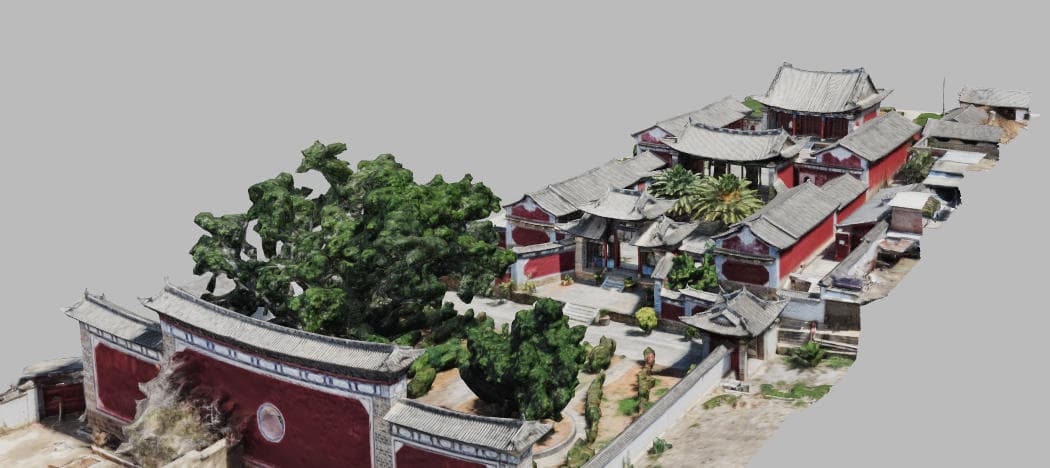
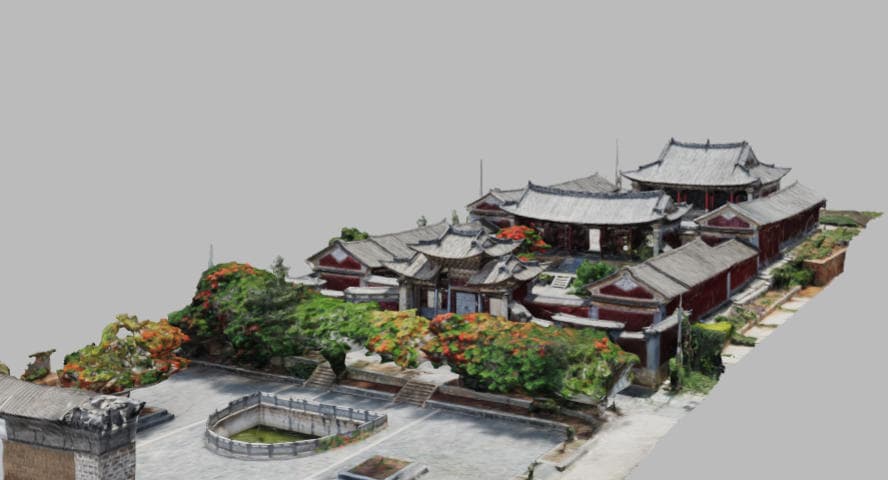
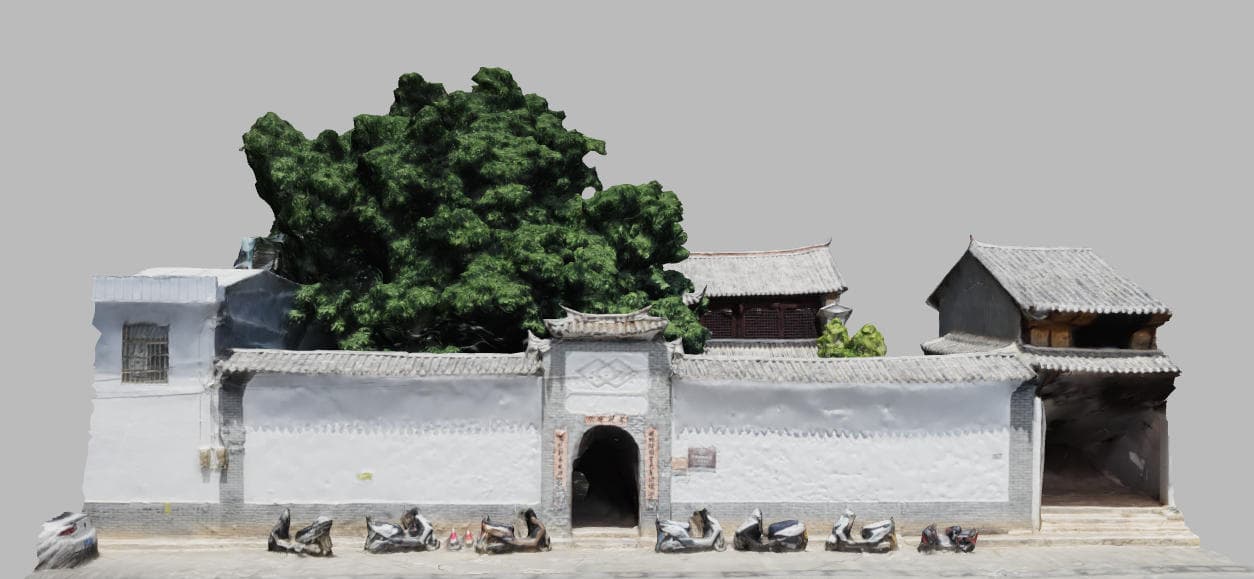
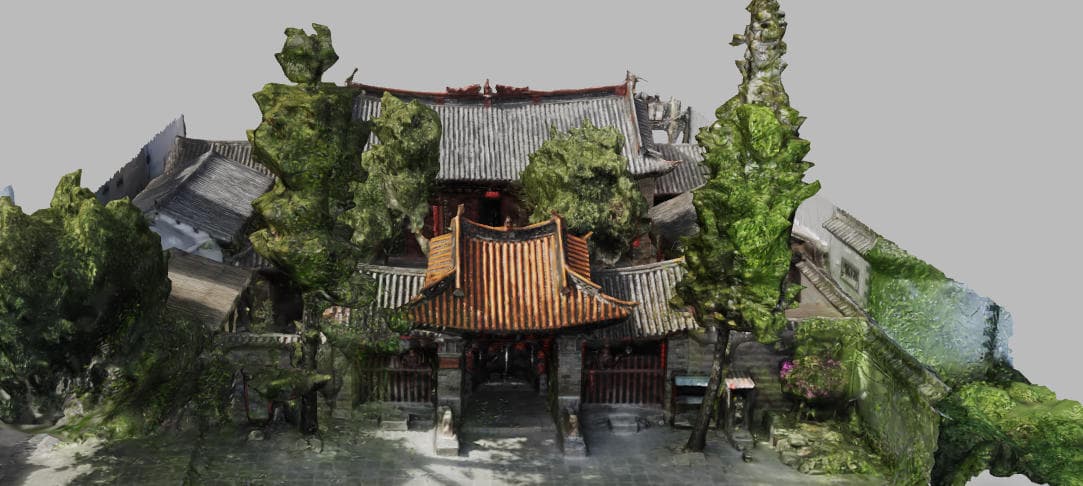
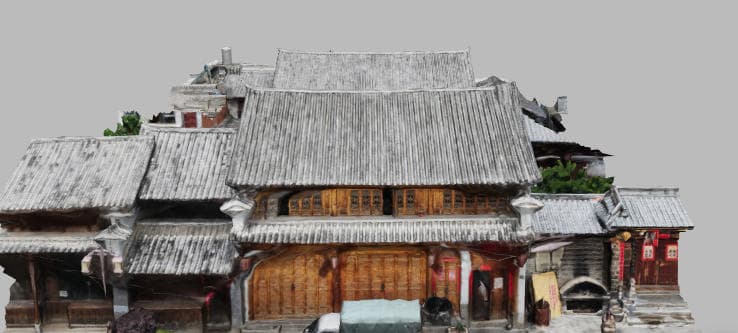
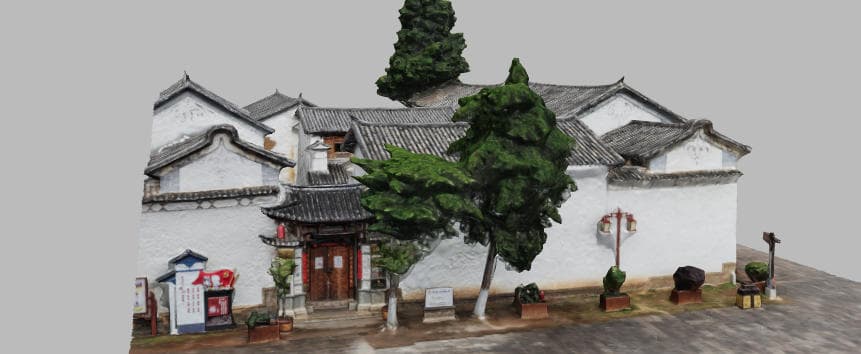
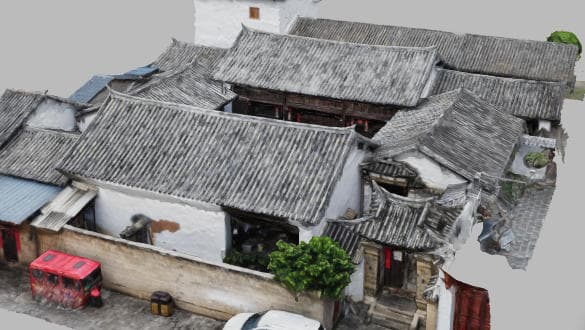
At the busy crossroads of Wenxian Street in Jianchuan Old Town, a traditional two-story residence stands integrated with a row of commercial shopfronts. Built during the late Qing dynasty or early Republic of China period, this earth-wood structure preserves the classic architectural style of the Bai ethnic group. The creaking wooden floorboards and cool stone steps mark the birthplace of Zhang Bojian, born here in 1898. He grew up to become an influential Marxist theorist and the first Bai member of the Chinese Communist Party.
The residence, which now forms a 380-square-meter memorial complex, preserves the physical traces of Zhang's early life. Visitors walk past the rough-hewn timber beams and feel the cool, solid earth walls that sheltered his childhood. In 1917, Zhang walked out of this house, leaving his home to seek a new path for his country. By 1919, he reached Paris, becoming the first person from Yunnan to participate in the French work-study program. In the winter of 1921, he joined the Communist Party in Berlin, and in 1922, he worked alongside Zhou Enlai to establish the Chinese Youth Communist Party in Europe.
Inside the quiet rooms, historical documents and personal correspondence show how Zhang used his pen as a weapon. In November 1925, he published Brief History of Social Evolution, a pioneering text that explained human history through historical materialism. The ink-stained pages of this book became a key educational tool for early Chinese revolutionaries, earning praise from Mao Zedong.
Zhang's journey ended far from these quiet mountains. After studying in Moscow and organizing workers in Shanghai, he traveled to Guangzhou. There, he helped lead the historic Canton-Hong Kong strike of 1926. Exhausted by relentless work, he died of illness in Guangzhou that August, at the age of twenty-eight.
The local government renovated this historic home, opening the exhibition rooms to the public on April 2, 2019. Today, the building serves as a provincial education base. The scent of aged wood and the quiet light filtering through the windows connect modern visitors directly to the brief, intense life of a young man who helped shape modern China.