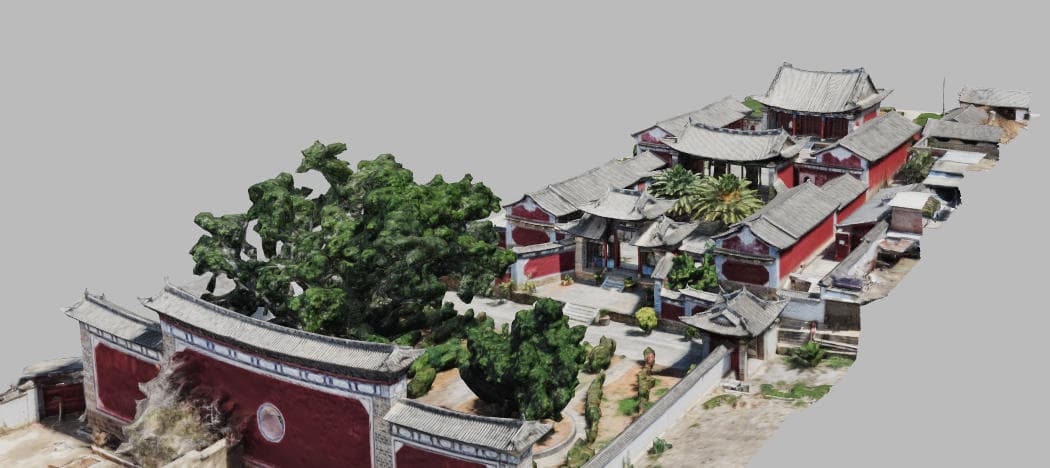
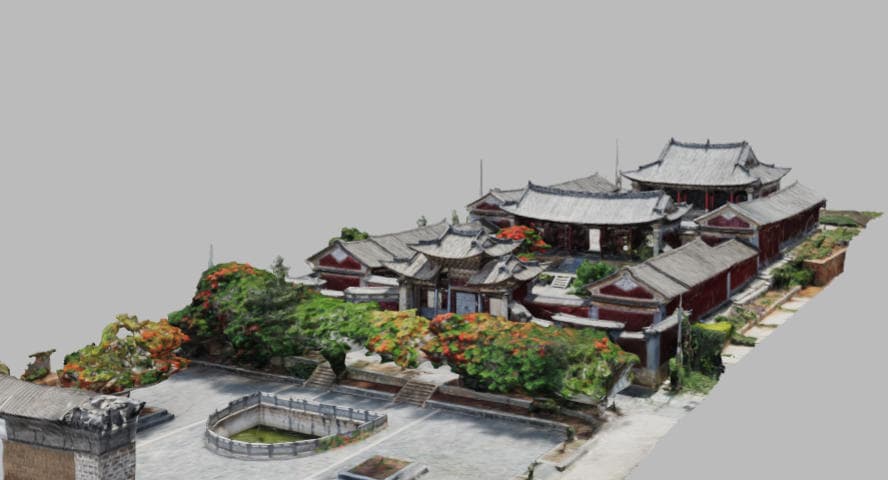
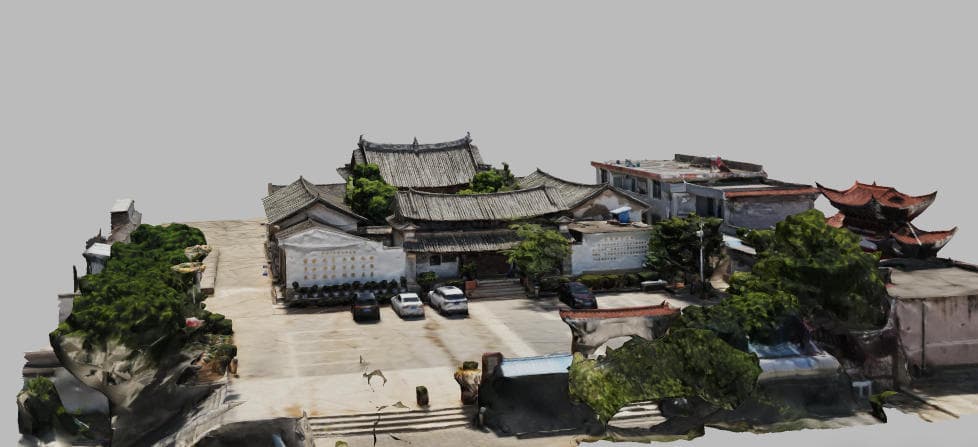
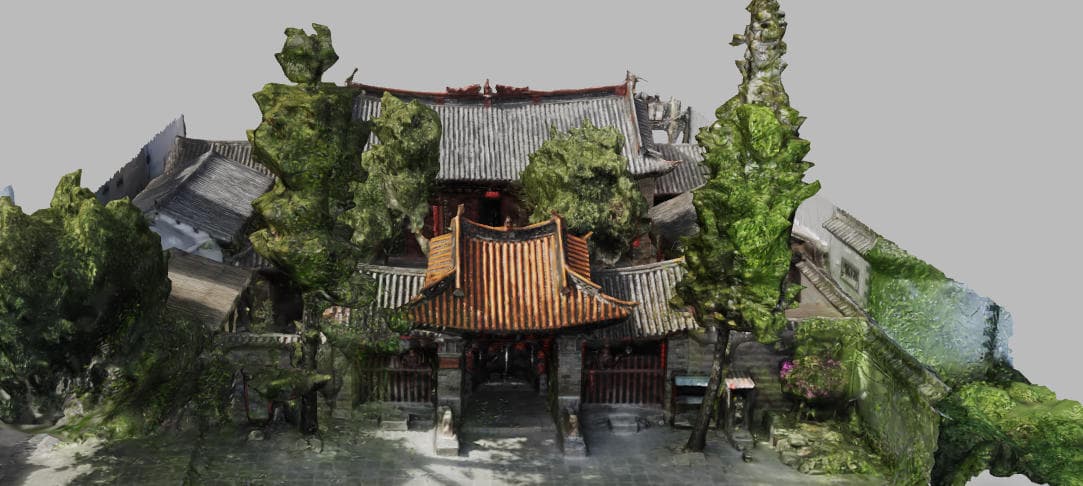
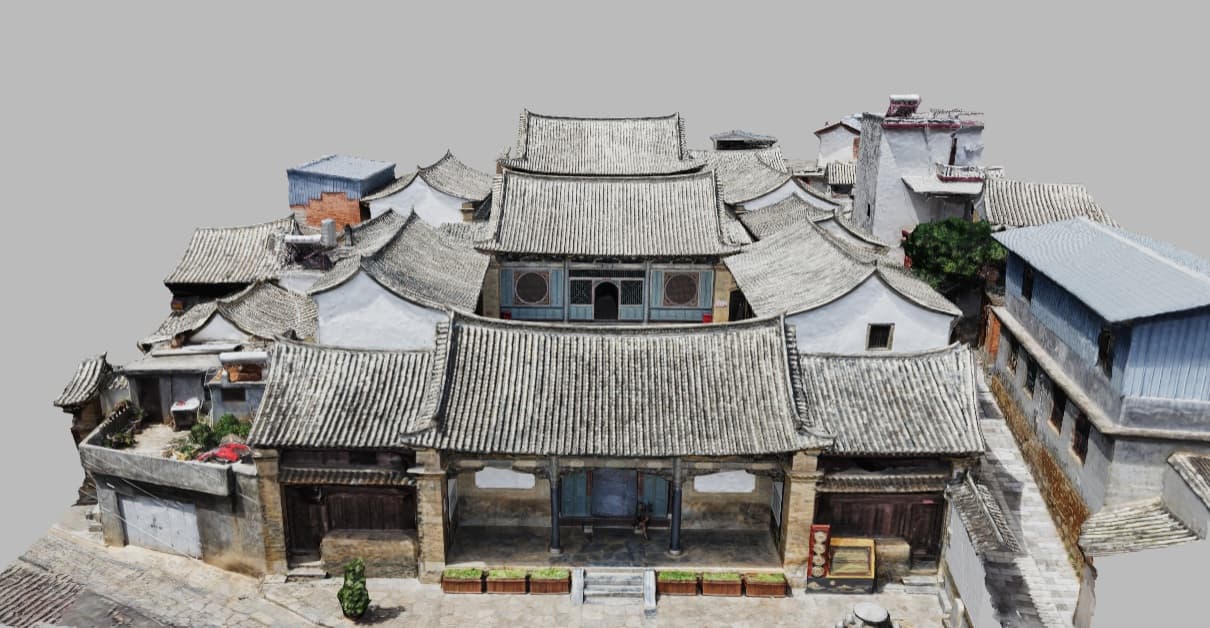
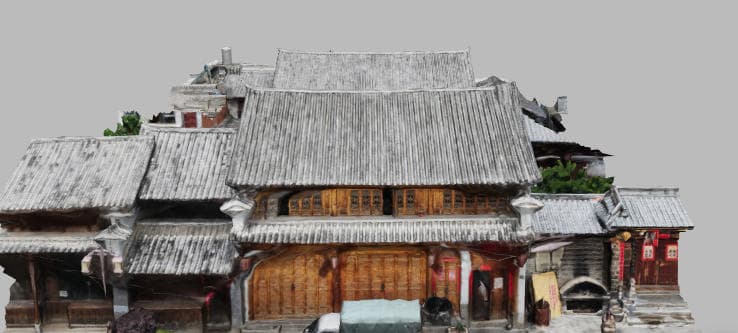
Step onto the worn cobblestones of Zaojunsi Street in Lin'an Town, where the air carries the faint scent of tea and the sharp clack of wooden chess pieces. Here stands the Jianshui Zaojun Monastery, Yunnan Province's sole surviving ancient temple complex dedicated to the Kitchen God. Originally raised during the Yuan dynasty, these timber frames have stood for over seven hundred years.
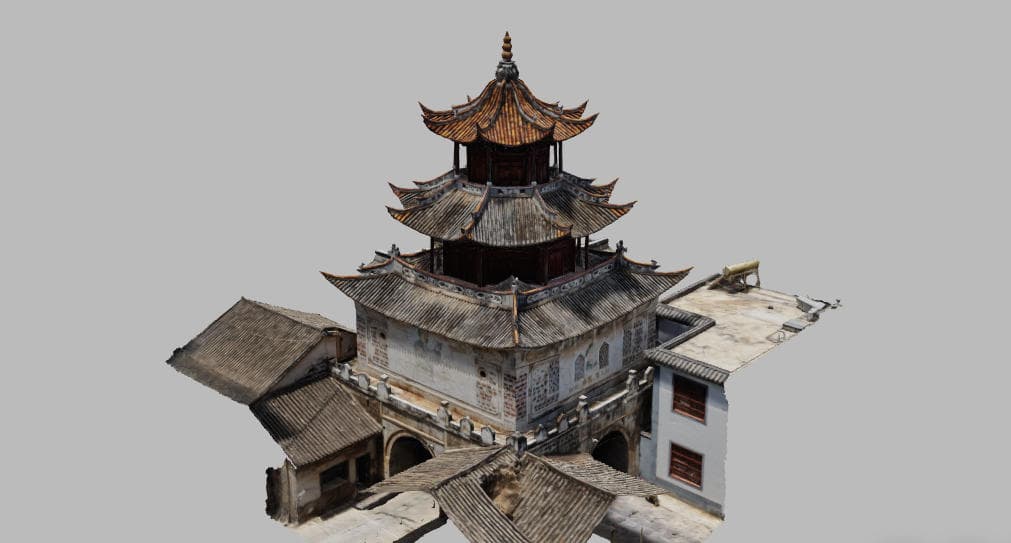
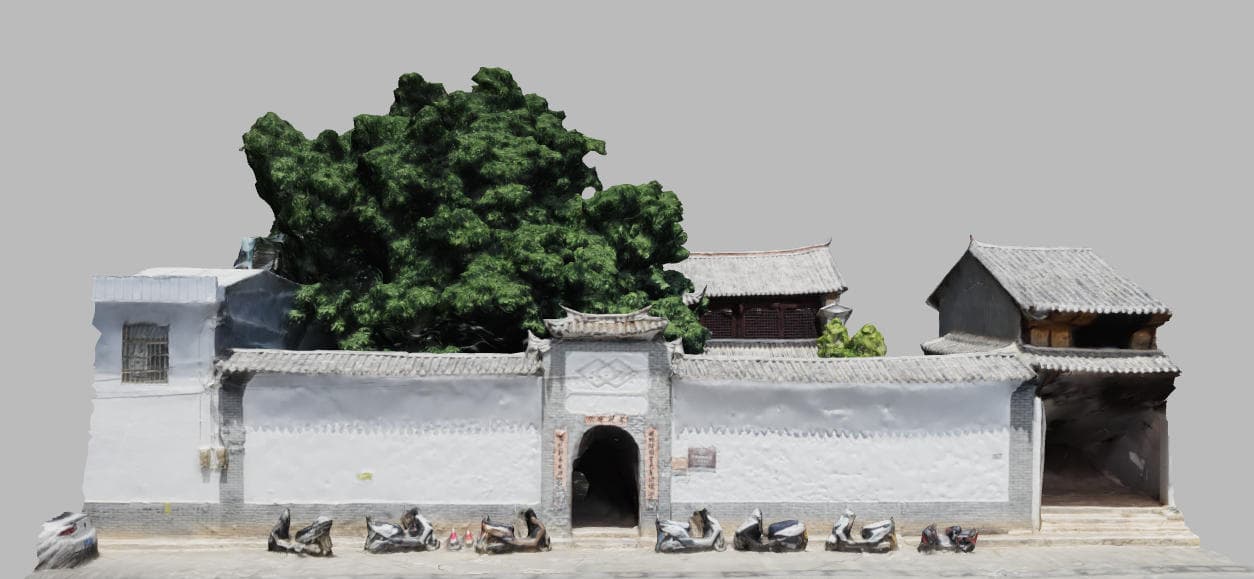
Just steps away, the Ming-dynasty Kelilou overpass pavilion arches over the street. Touch its rough, sun-baked earth walls, which remain as hard as stone after six centuries of rain and war. Under this archway, village elders gather daily to gossip and play cards. In the 1960s, local production teams climbed to the pavilion's second floor to distribute work points, leaving behind a dusty broadcast speaker that still hangs from the rafters. Nearby, a two-hundred-year-old evergreen tree grows stubbornly, its trunk scarred by fire and hollowed by a bowl-sized cavity, yet its branches still reach toward the sky.
Inside the monastery's main hall, the architecture manipulates the heavens. Sunlight filters through the wooden window lattices, cutting through the dimness in sharp, dusty beams of gold. Since 1985, this hall has served as the home of the local Dongjing ancient music orchestra. The musicians gather here to tune their stringed instruments and rehearse their traditional musical calendar of seventeen seasonal assemblies. On the twenty-seventh day of the eighth lunar month, they hold the annual Confucius Assembly, filling the wooden rafters with ancient melodies.
Today, the monastery remains a protected historical site. Local women use the quiet courtyard to practice dances, their laughter echoing off the ancient pillars. The temple's musicians carry these traditions beyond the walls, regularly performing solemn rites at the nearby Jianshui Confucius Temple. The music played here today connects modern listeners directly to the hands that first carved these wooden lattices seven centuries ago.