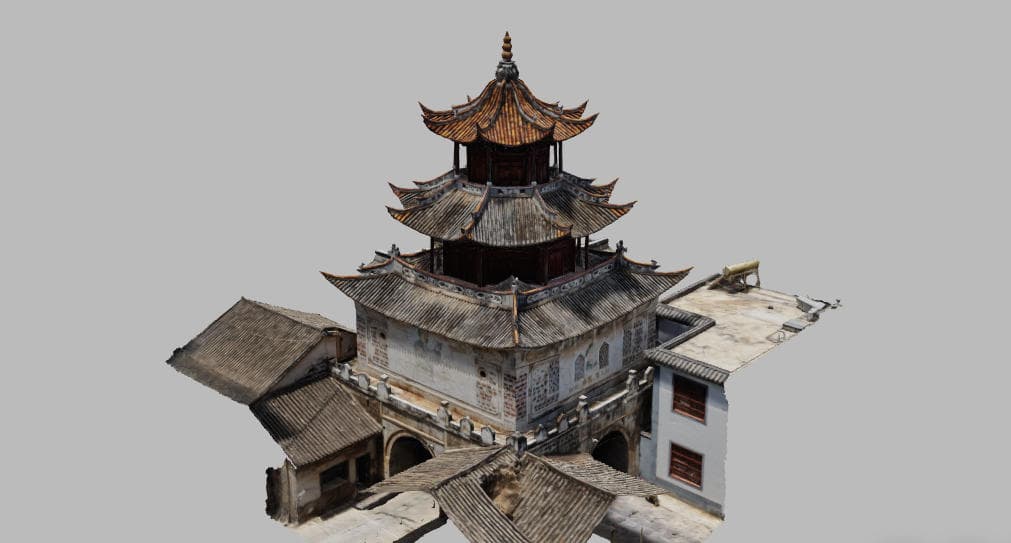
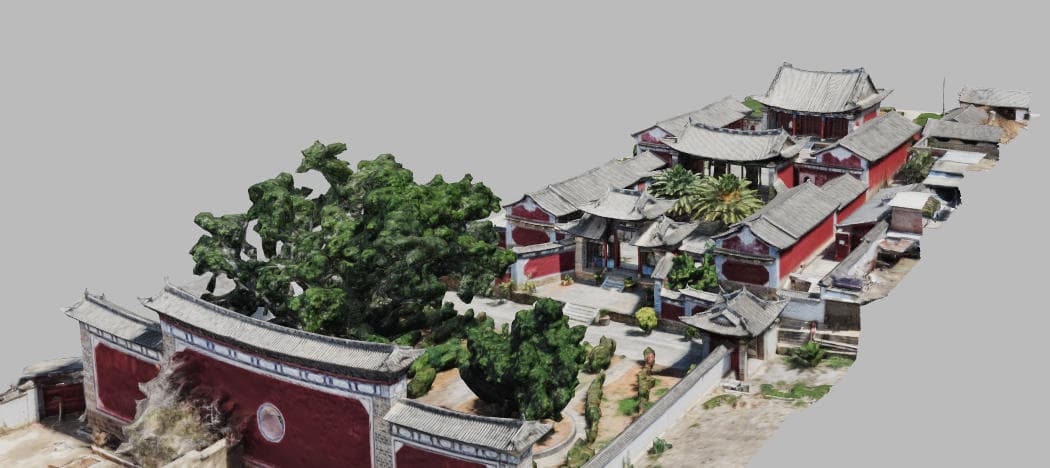
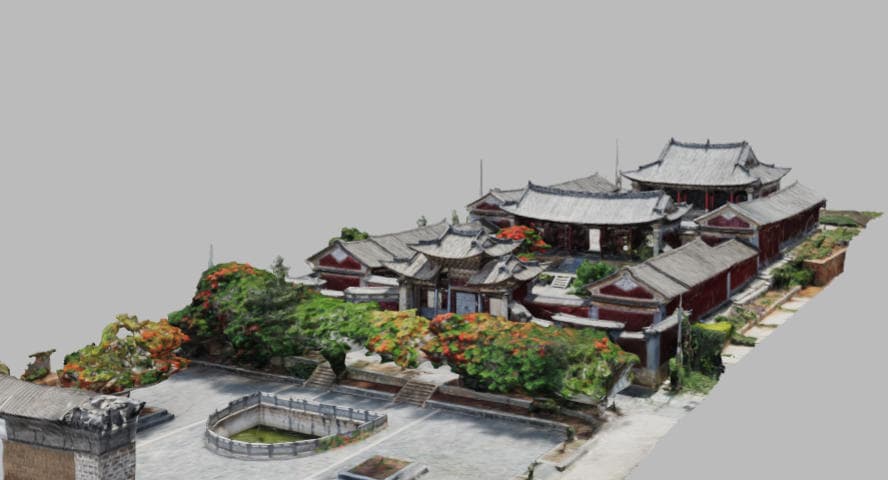
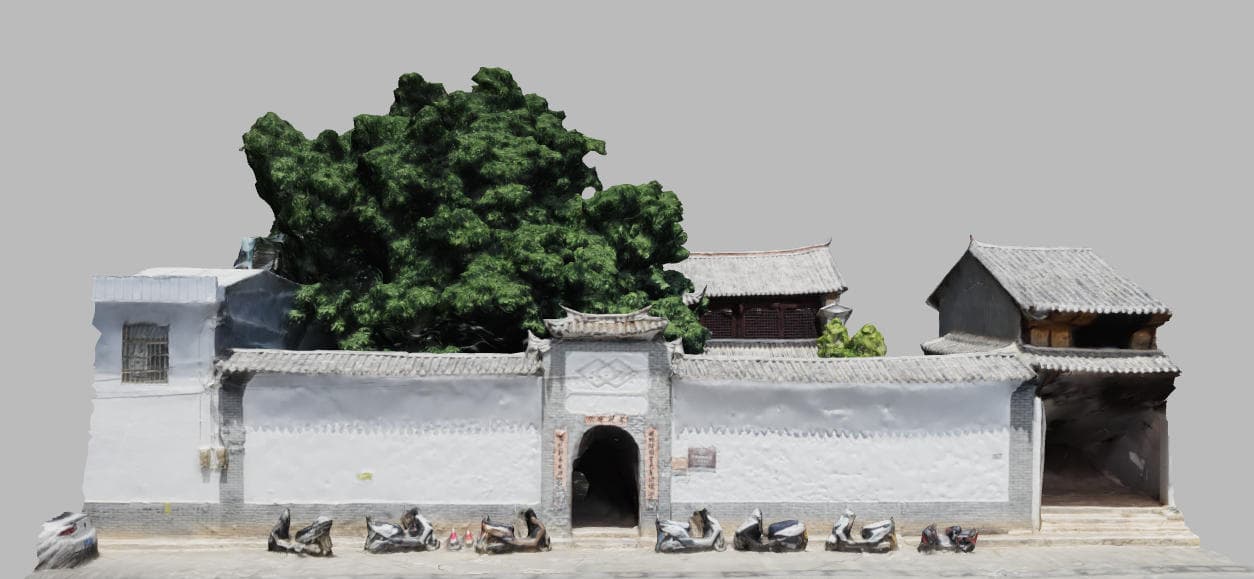
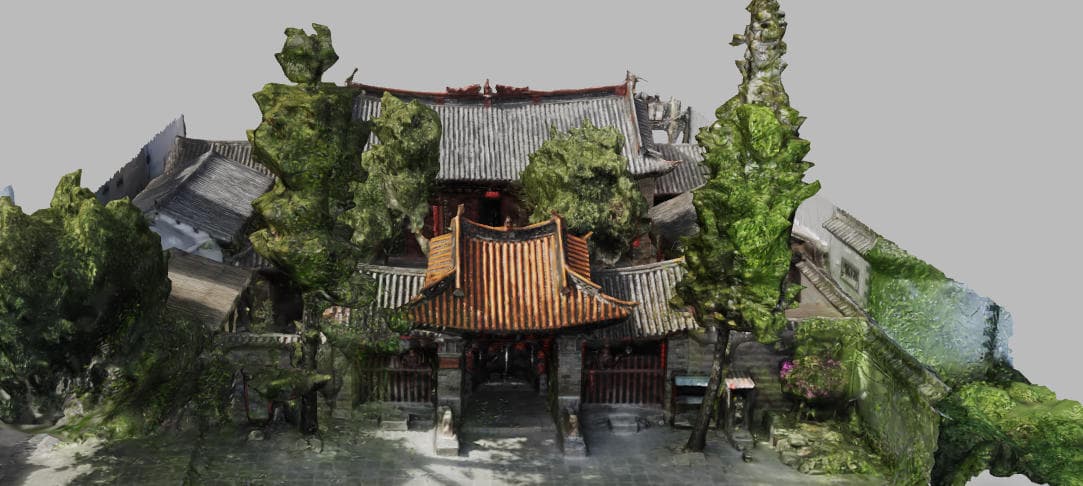
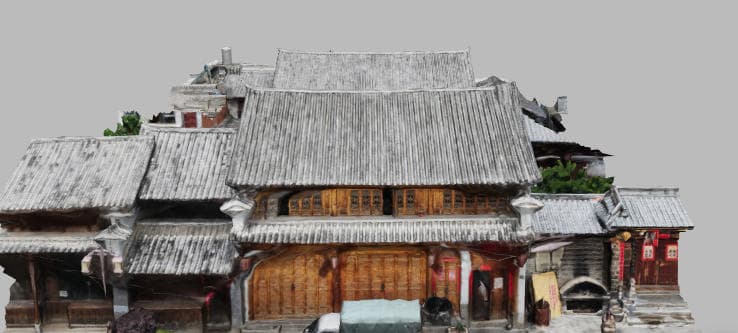
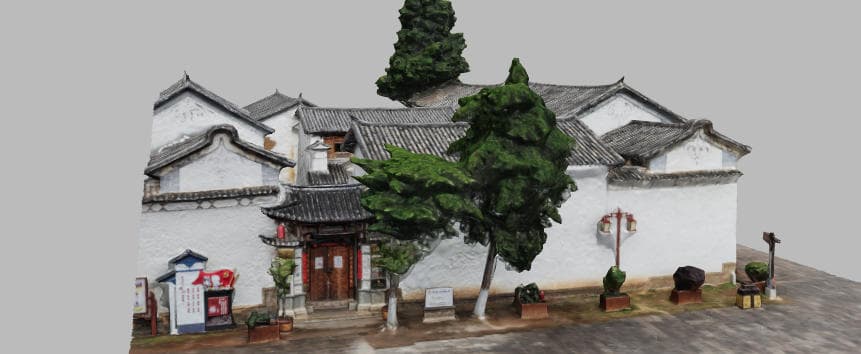
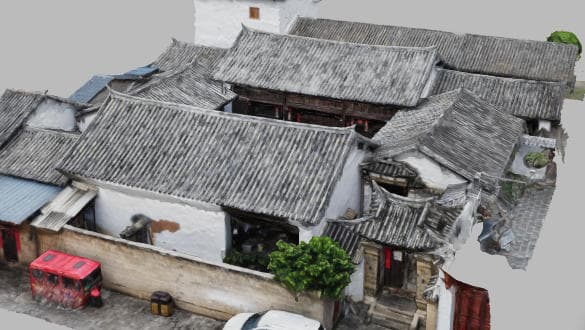
In the eastern district of Xizhou Ancient Town, the courtyard of Yang Kecheng stands as a quiet monument to a life lived between global commerce and local devotion. Built during the Republican era, this traditional Bai residence features a multi-tiered layout of outer and inner courtyards. Local stonemasons assembled the heavy stone masonry, while carpenters raised the load-bearing timber frame to support the sweeping tiled roofs.
Yang Kecheng was born here in 1910 to a wealthy merchant family connected to the Yongchangxiang business house. He left this valley to study economics at Central University in Nanjing, eventually earning an MBA from Harvard Business School in 1935. On his journey home, he spent three months in the British Library in London, researching British colonial expansion along the Yunnan-Burma border to write a defensive historical treatise.
When he returned to Yunnan, Yang rejected a comfortable government post. He chose to carry his own bedding into remote villages to audit agricultural loans for the Fu-Dian Bank, working to stabilize the fragile rural economy. In 1949, as the old regime collapsed, Yang secretly carried messages between General Lu Han and underground organizers, helping to facilitate the peaceful transition of Yunnan. He later served as the Vice Governor of Yunnan Province and taught economics at Yunnan University.
Visitors walking through the heavy wooden gates encounter the physical realities of Yang's world. The rough-hewn local stone underfoot and the scent of aged pine timber evoke the physical labor of the builders. The cool, quiet air of the inner courtyard shields visitors from the busy trade routes that funded its construction. Rainwater still channels off the clay roof tiles into stone drains, just as it did when Yang drafted his lectures here. Today, protected as a National Cultural Site, the courtyard preserves the memory of a scholar who bridged the distance between Harvard lecture halls and the red earth of Yunnan.