In the year 858, Duan Zongbang, a prime minister of the Nanzhao Kingdom, marched his army south to defend the Pyu Kingdom against invaders. He returned with gold drums, military banners, and a gold Buddha. To secure the throne for a young heir, Duan used the gold Buddha as a decoy, summoning his rival Wang Cuodian outside the city gates to pay homage before executing him. Today, Duan's descendants and the residents of Xizhou worship him as the Central Emperor, the patron deity of their community.
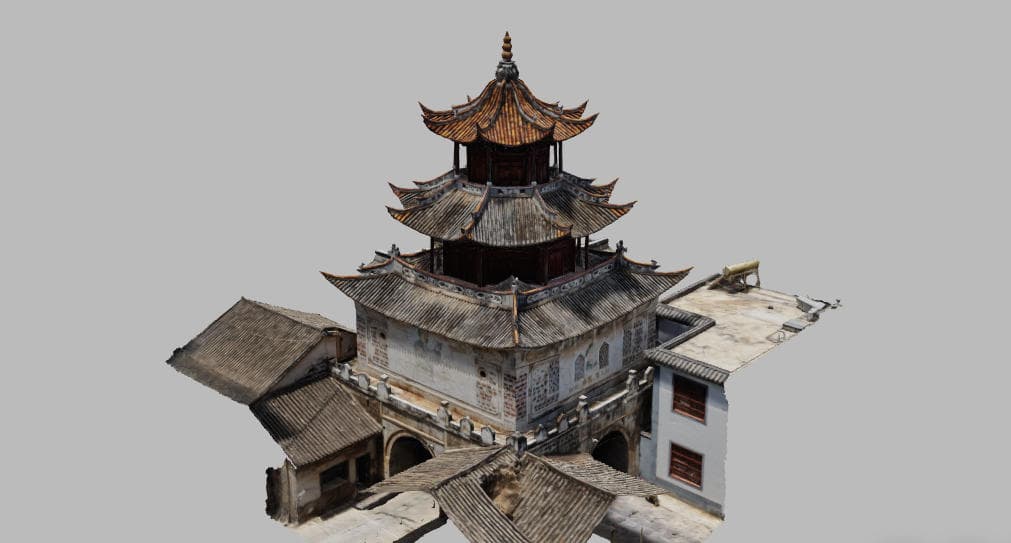
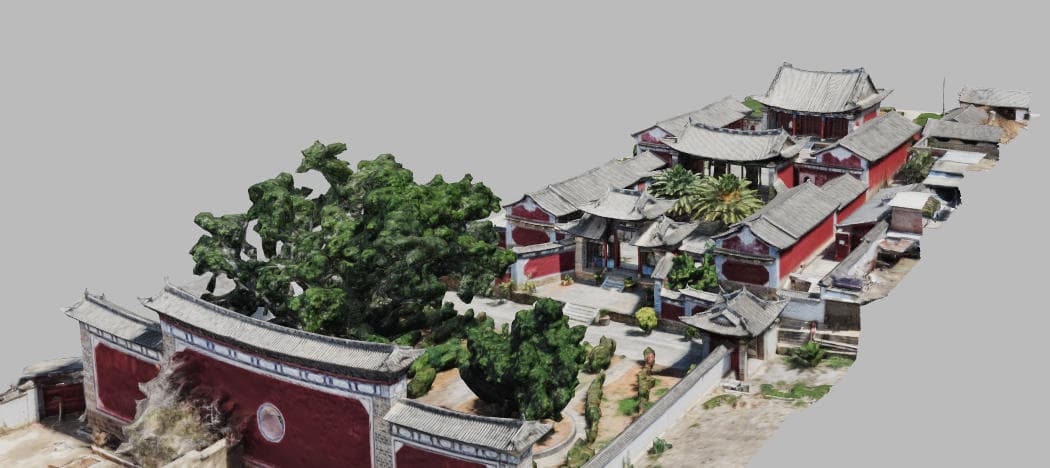
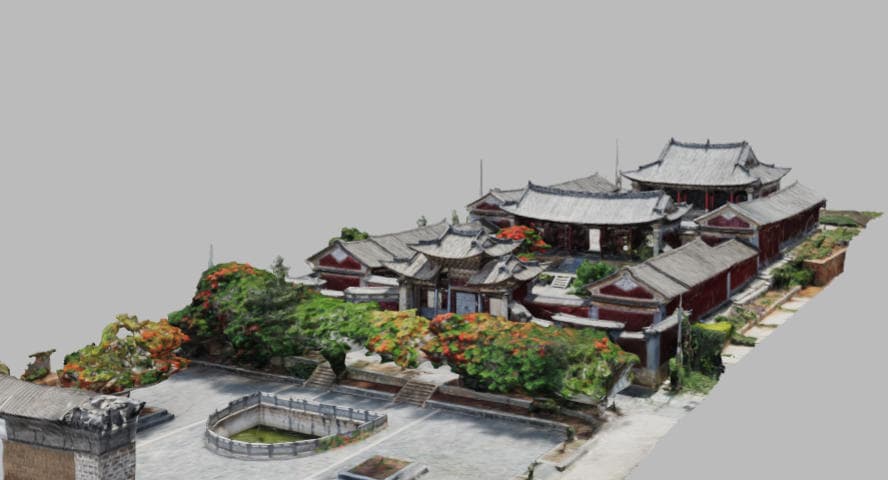
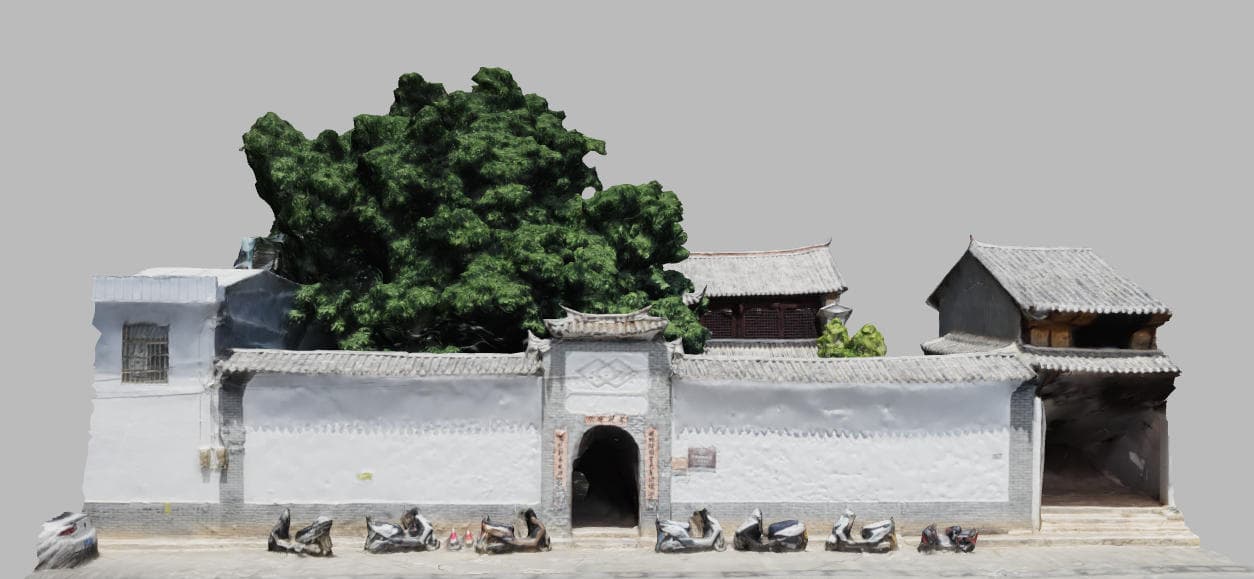
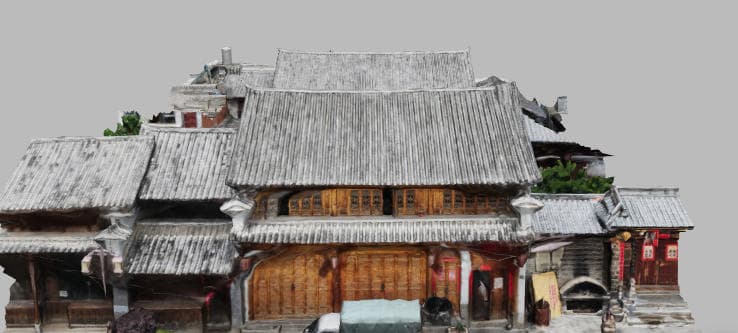
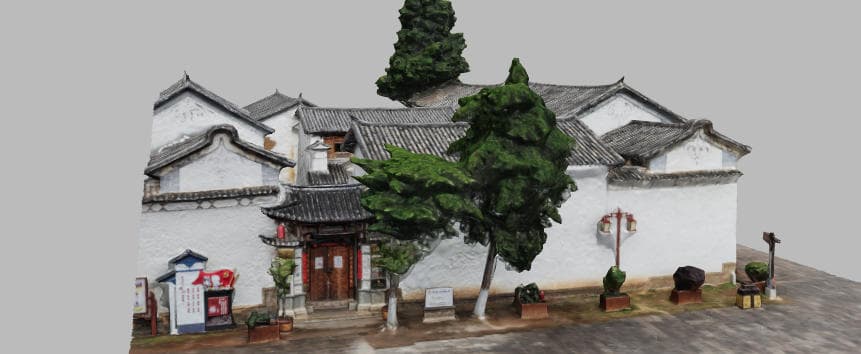
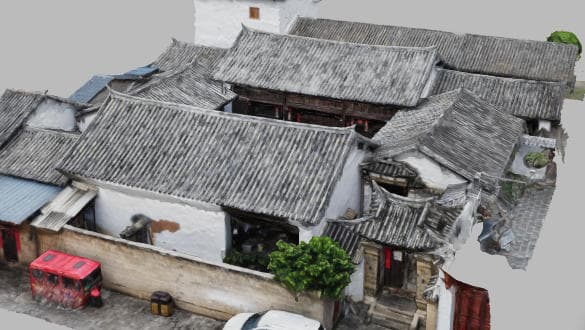
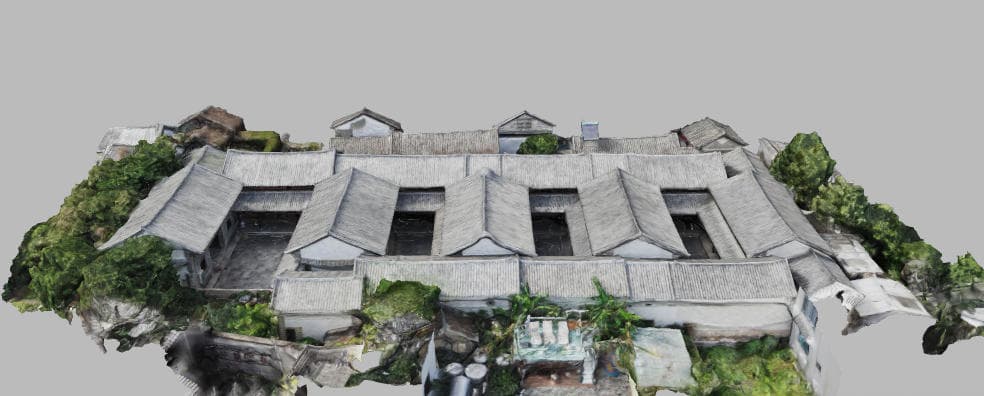
His shrine, the Xizhou Zhongyang Shrine, stands along a quiet north-south axis in Qingdong Village. It is one of Xizhou's three primary Benzhu temples, alongside the Jiutanshen and Miaoyuan shrines. Inside the south-facing courtyard, the air smells of burning incense and fresh rain. The architecture reflects the traditional courtyard style of the Bai people. Nearby merchant families built opulent, heavily decorated residences. In contrast, the builders of this shrine chose modest, functional timber and stone. This design embodies the local belief that gods live closely alongside humans in their daily routines.
At the center of the main hall sits the largest Benzhu statue in Xizhou, a massive seated figure of Duan Zongbang. Local artisans sculpted this figure from local clay, leaving subtle finger marks in the dried earth—a tradition of Dali clay sculpting that continues today. Seven local villages, including Shanghongping, maintain the shrine. Every year, on the fourth day of the first lunar month, villagers from Shenjiang and surrounding areas crowd the courtyard. They light incense, offer food, and pray for favorable weather and rich harvests. During the Raosanling spring festival, the shrine becomes a focal point of music and dance, connecting the historical prime minister to the living community. The quiet courtyard, with its unadorned wooden pillars and cool clay figures, holds the memory of a soldier who became a god.