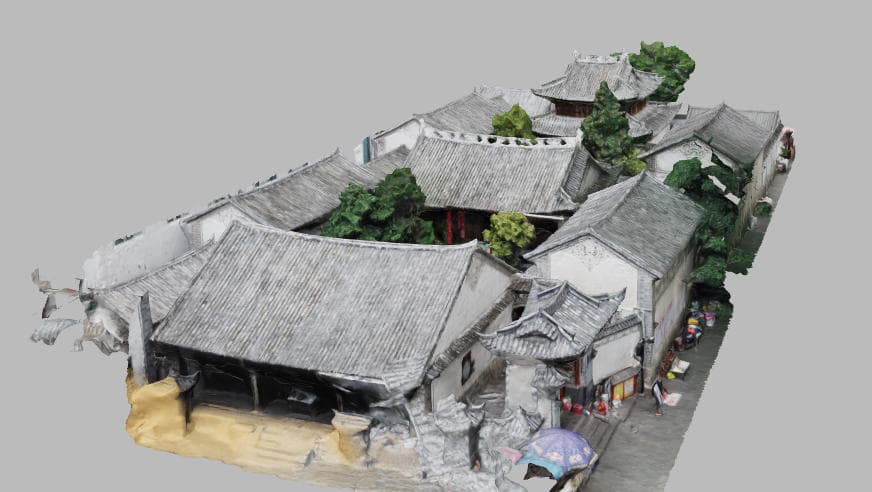
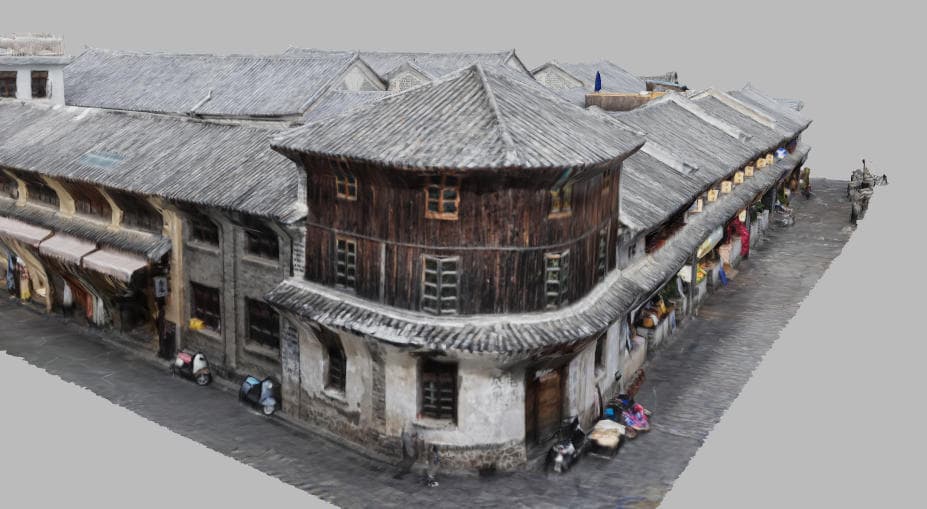
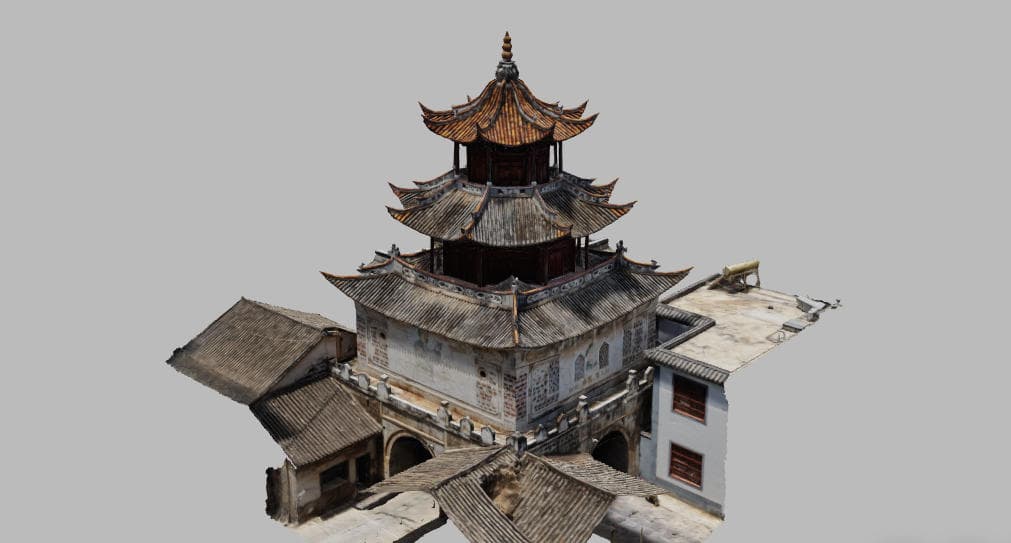
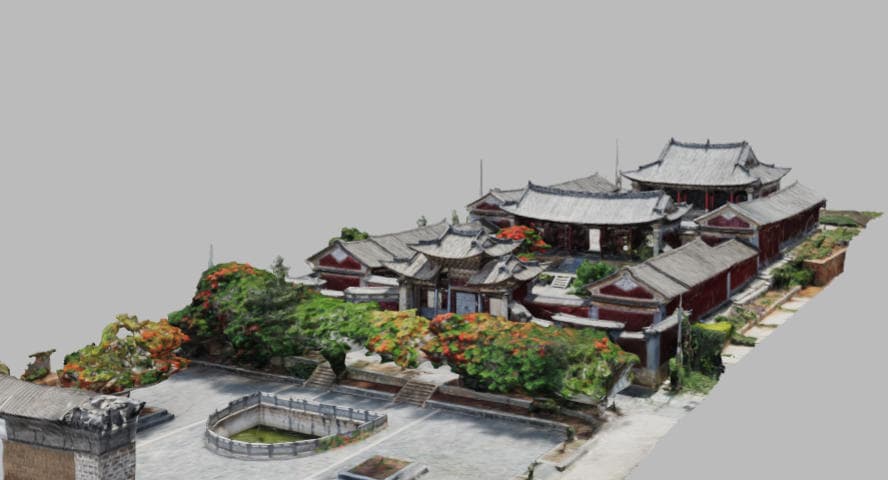
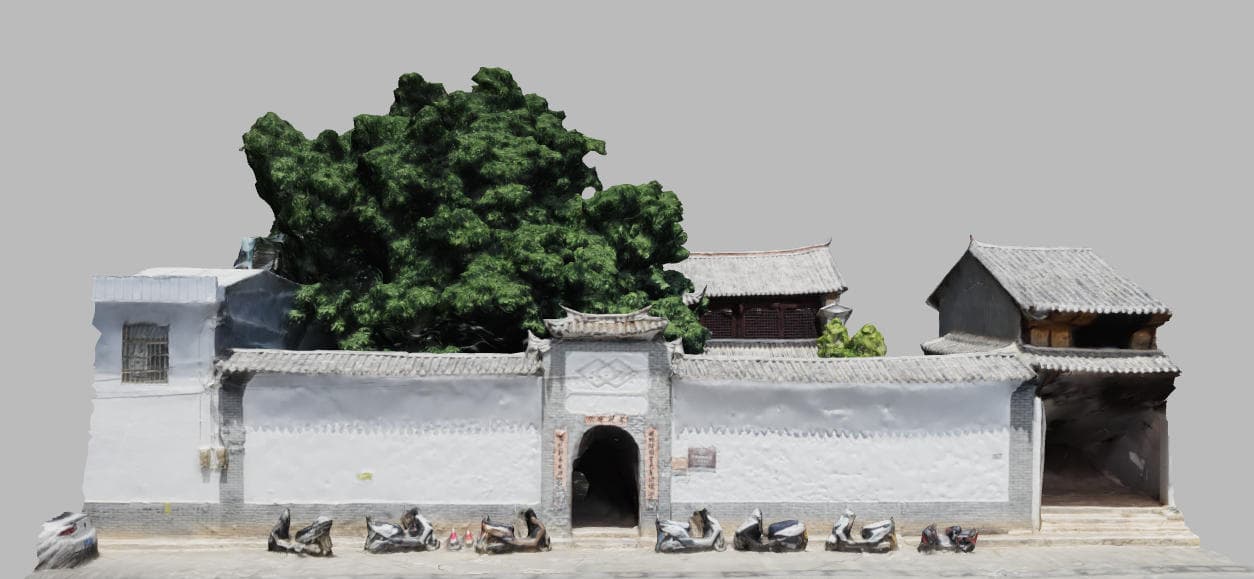
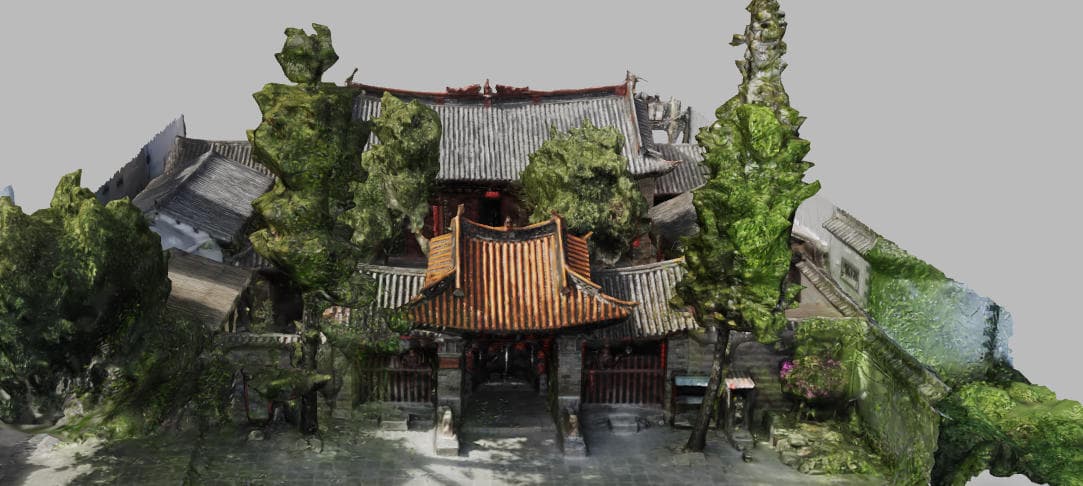
Beside Shihu Street in Xizhou Town, the wooden gates of Zhang Jinshi's Mansion open directly into the quiet rhythms of Dali's history. This estate, a protected part of the Xizhou Bai Architectural Group, began during the Ming Dynasty as a local government office. In 1880, a scholar named Zhang Shizeng achieved the prestigious Jinshi academic degree, placing 121st in the imperial examinations. He returned to expand this ancestral home, funding the construction through his subsequent career as a magistrate in Guangdong counties like Dingan, Guishan, and Chengmai, and as prefect of Qiongshan.
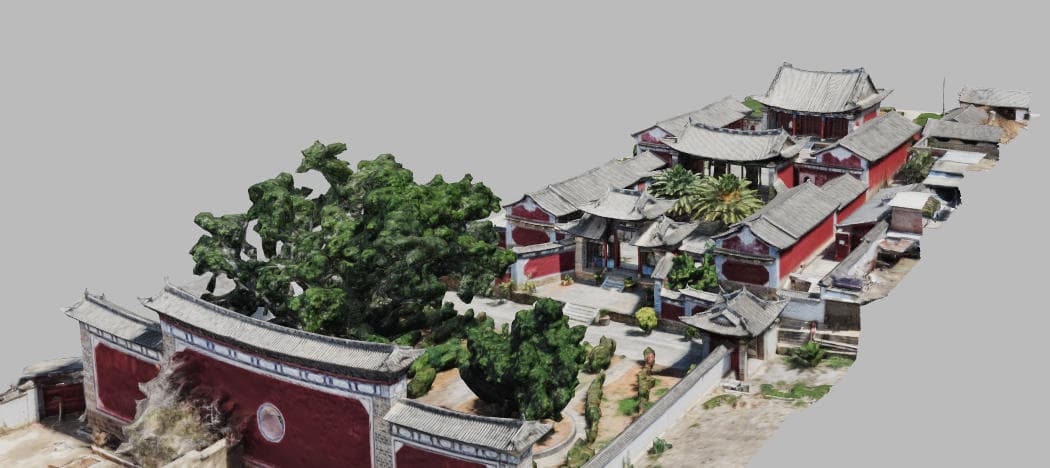
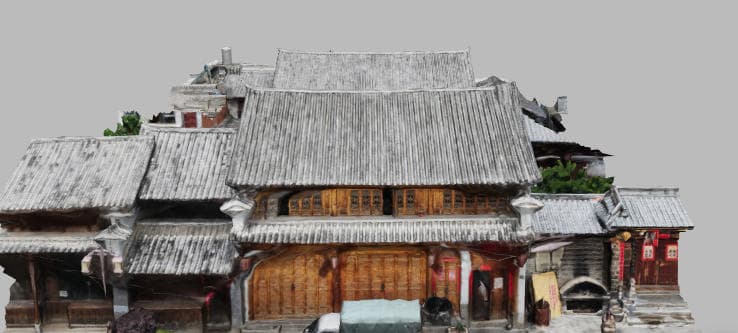
The mansion consists of three adjacent, interconnected courtyards. Each follows the traditional Bai "Siheyuan" design, featuring a symmetrical two-story wooden framework. On the ground floor, spacious wing rooms flank the central main halls, while the upper floors serve as private living quarters. The original wooden doors of the main halls retain their centuries-old carvings. Visitors can run their fingers over the deep grooves depicting "Flowers Blooming for Wealth," "Zither, Go, Calligraphy, and Painting," and "Literary Family."
The influence of the Zhang family extended far beyond these wooden walls. Zhang Shizeng's nephew, Zhang Yaozeng, became a prominent legal scholar who co-drafted the Provisional Constitution of the Republic of China. Decades earlier, the family lent ten taels of silver to the founders of Yongchangxiang, a small gesture that sparked the rise of Xizhou's wealthiest business enterprise.
Today, the mansion remains a living residence. Descendants of the Zhang family still live here, tending to rows of potted plants and colorful flowers that scent the stone courtyards.