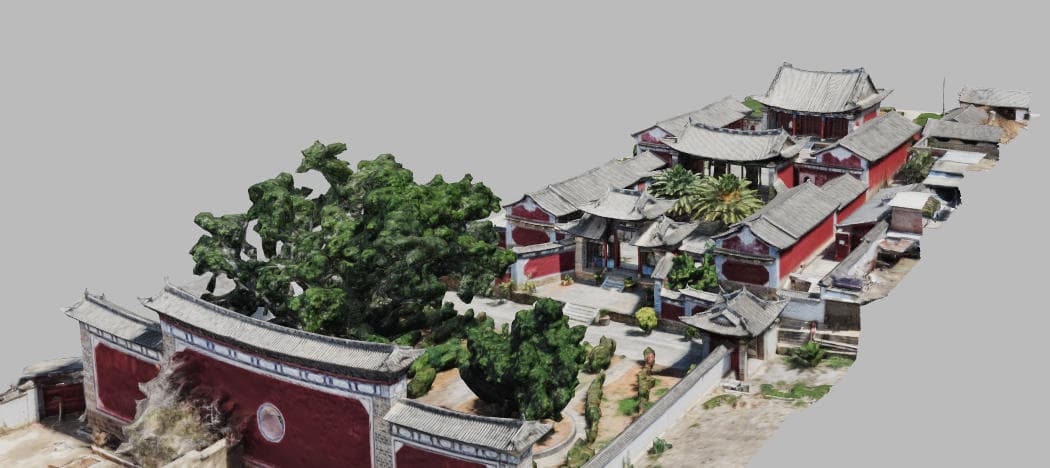
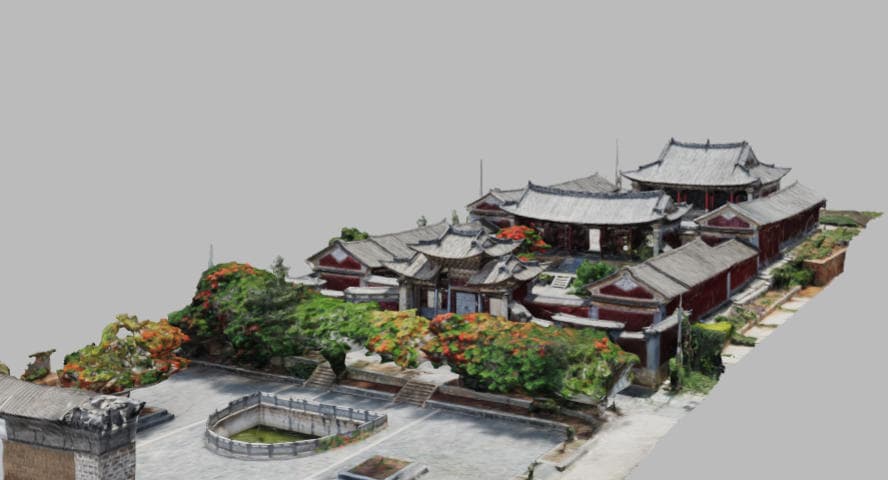
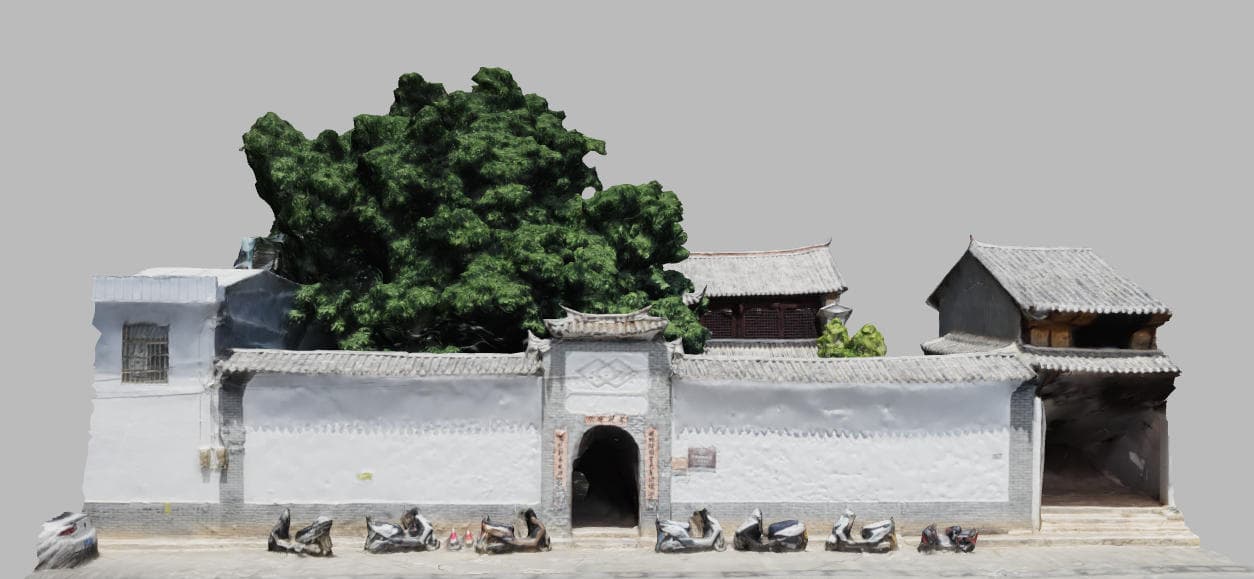
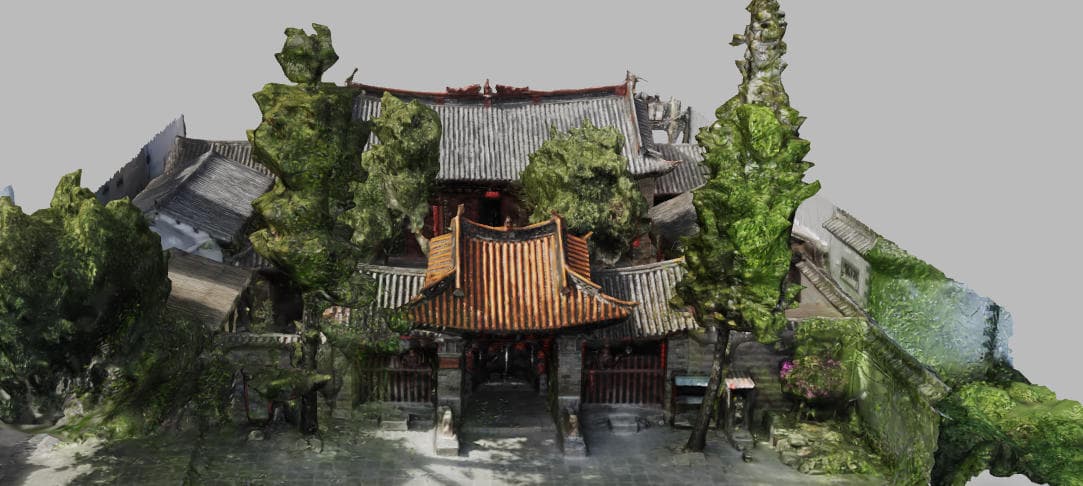
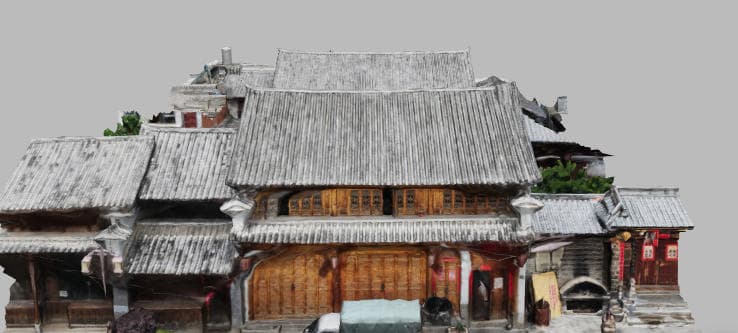
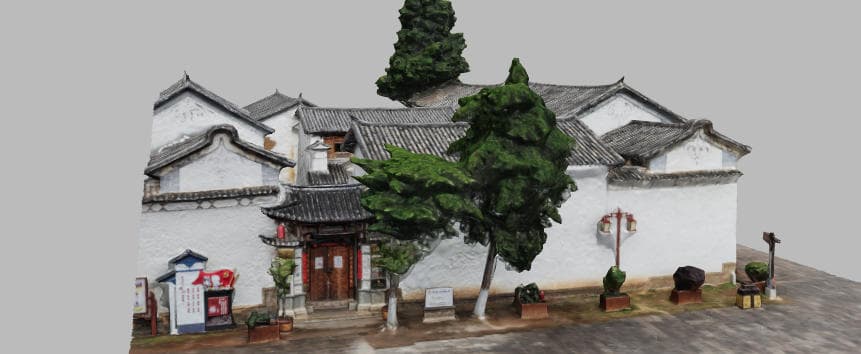
Across the street from the Cangyi Library, near a five-hundred-year-old banyan tree, stands the Xizhou Ziyunshan Monastery. Established during the Ming Dynasty and rebuilt in the Qing Dynasty, this courtyard temple serves as a sanctuary where Buddhism, Taoism, and Confucianism exist together.
The entrance gate features traditional Bai ethnic carvings. On the first level of the step ornaments, Bai artisans carved phoenixes, a design indicating that the temple's original deity, the Taoist star mother Doumu, is female. Inside, the layout divides into a Main Hall, East and West Side Halls, and a Rear Hall. Mediums traced characters in sand, recording moral revelations. These seances provided the raw material for anthropologist Francis L.K. Hsu's classic study, Under the Ancestors' Shadow.
Today, the physical structures show the wear of centuries. The space remains active. The local Lotus Association, alongside the Cave Scripture and Sacred Edict Associations, maintains the temple and organizes festivals like the birthday of Lord Guan. On quiet afternoons, the courtyard fills with the dry click of mahjong tiles and the low murmur of elderly residents sunbathing on the warm stone paving. Near them, a historic well features a stone rim worn smooth by generations of ropes. Blue incense smoke rises toward the eaves, blending with the sound of wind rustling the nearby banyan leaves.