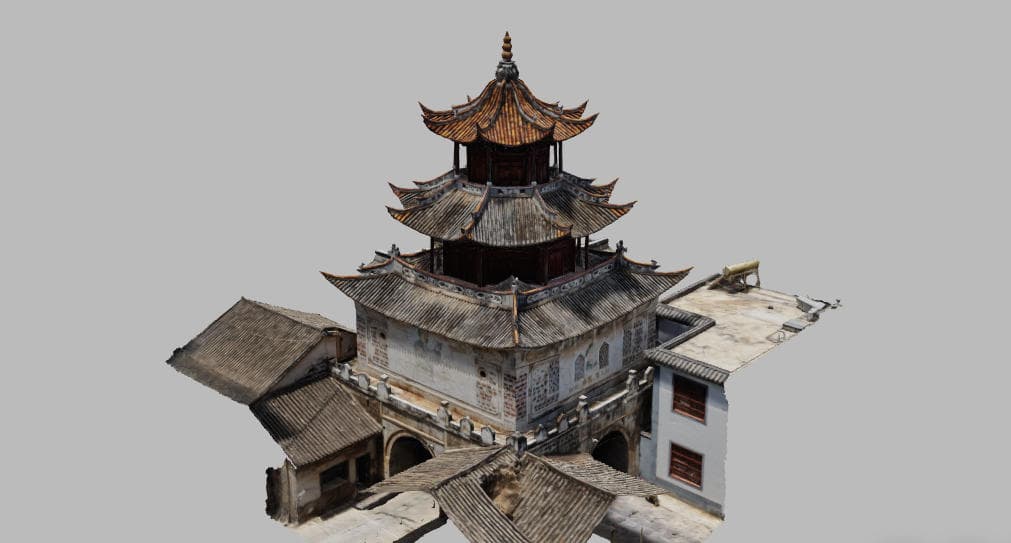
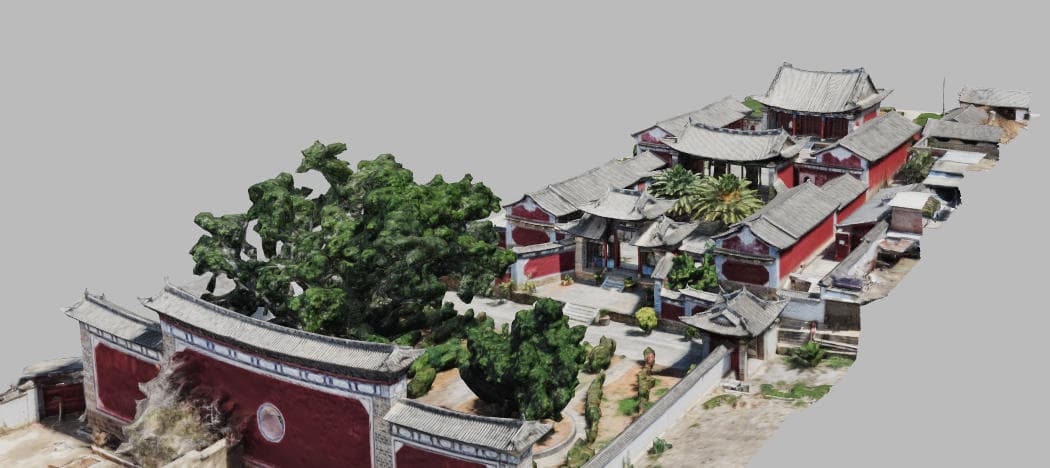
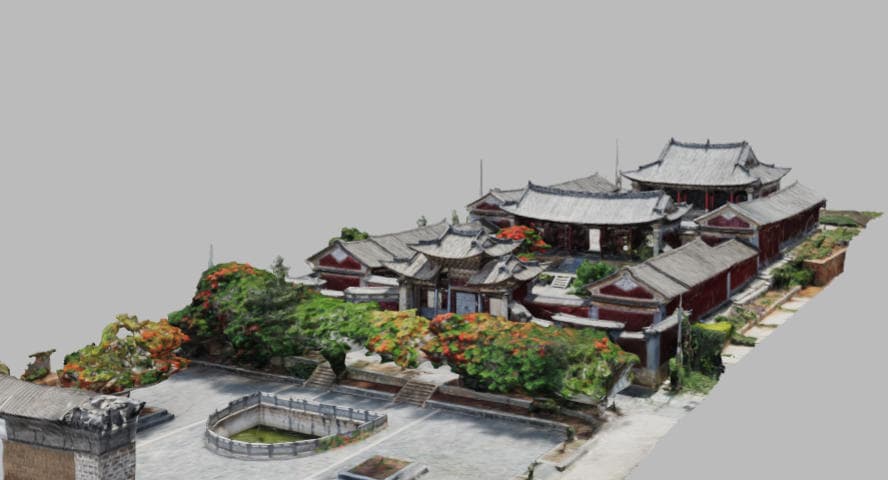
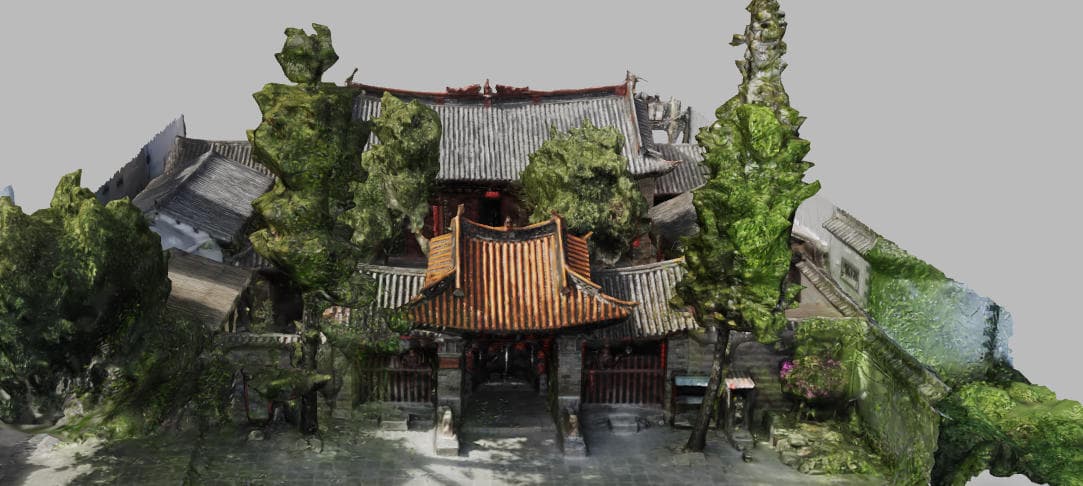
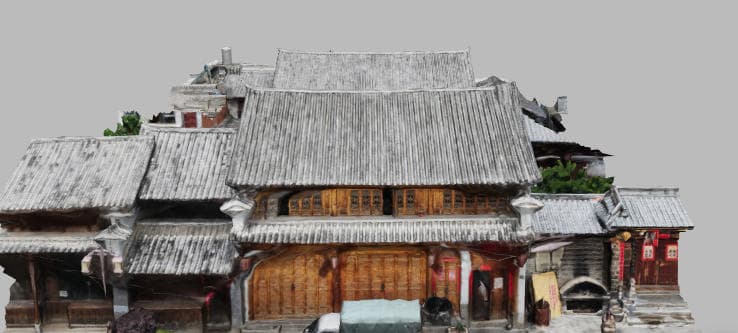
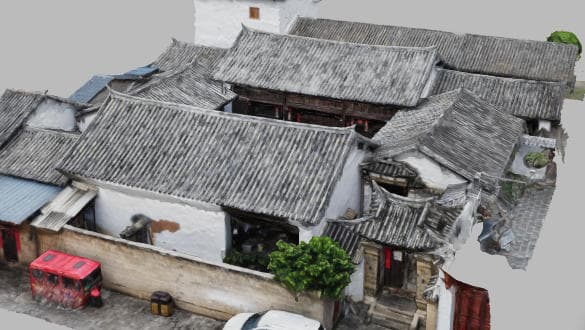
In 1907, the Bai merchant Yan Zizhen began constructing a home in the southwest corner of Sifang Street in Xizhou. His wealth came from the Ancient Tea Horse Road, where his company, Yongchangxiang, traded Yunnan Tuo tea across seventy global branches. It took thirteen years of labor to complete the four traditional courtyards of the compound.
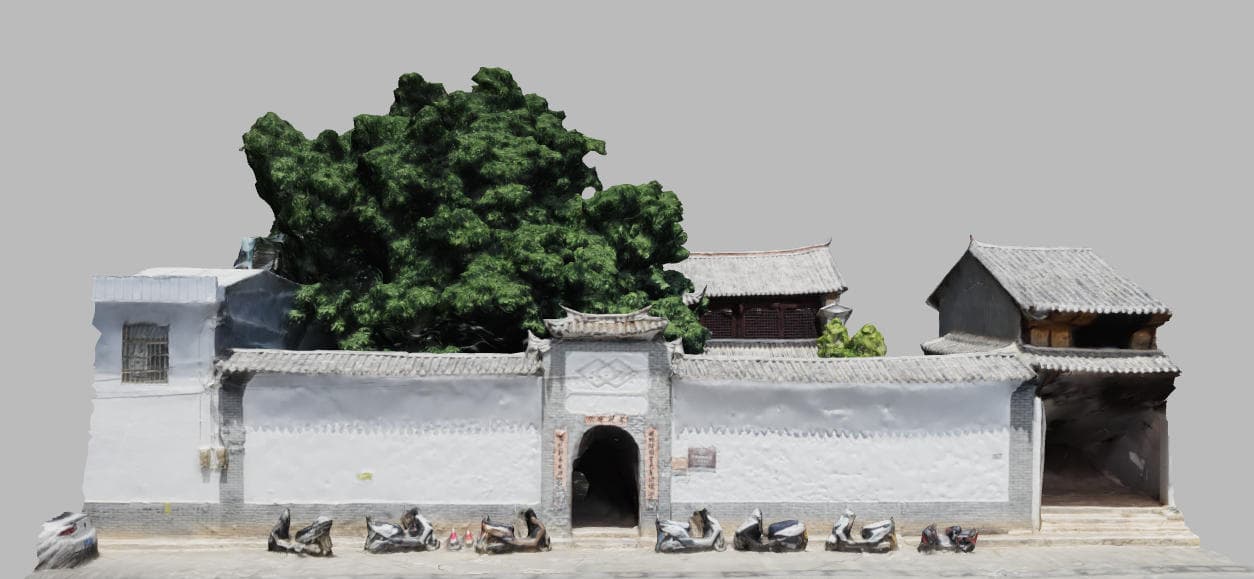
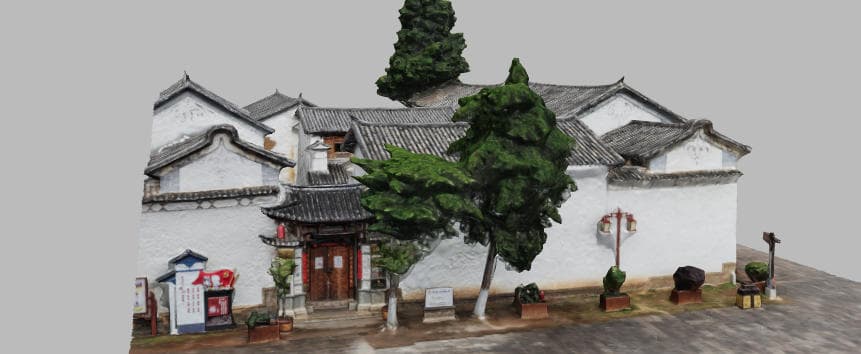
The architecture responds directly to the local climate. To the west, the Cangshan mountains send down strong winds. The builders erected a large white screen wall facing east to block these drafts and catch the morning sunlight, reflecting warmth into the rooms. This layout, known as Three Chambers and one Screen Wall, housed the family's youth. For the elders, the builders constructed the Four Buildings and Five Lightwells layout. Here, small corner lightwells channel rainwater and guide fresh air through the rooms. Overhead, wooden galleried corridors connect the second-floor rooms, allowing residents to walk through the entire estate during heavy rains without getting wet.
Human artistry covers the surfaces. Artisans carved 114 lattice doors and over 250 windows with openwork designs of magpies and cranes. Clay reliefs on the walls depict traditional figures of fishermen, woodcutters, farmers, and scholars. The main entrance gate, Dafu Di, features a classical Chinese palace pavilion style. The second gate, Sima Di, displays a Western-style triangular pediment and a Baroque curved arch.
In 1936, Yan Zizhen added a three-story concrete villa to the rear garden. Because cement, steel, and glass were unavailable in Dali, workers shipped these materials from overseas to Southeast Asia, moved them by rail, and hauled them to Xizhou using horse caravans. During the late 1930s, this villa became a sanctuary. The painter Xu Beihong and the writer Lao She lived here to escape the Sino-Japanese War. Looking out through the large glass windows, Lao She described the town and its compounds as a miracle. Today, the compound operates as a museum, preserving these physical traces of global trade and local life.