In 1242, King Béla IV issued the Golden Bull charter following the Mongol invasion, granting Gradec the status of a free royal city and requiring its inhabitants to construct defensive walls. Between 1242 and 1266, builders erected a square Romanesque tower to guard the southern Dverce entrance gate. Its lower walls, assembled from coarse, irregular stonework, measured approximately 195 centimetres thick, providing protection against attacks on the medieval town. In 1646, a bell known as the campana latrunculorum, or "thieves' bell," was installed in the tower. Each evening, its chime warned residents to return inside the walls before the city gates closed, giving the structure its lasting name: Lotrščak Tower.
As military threats declined during the late sixteenth century, the tower gradually lost its original defensive function. Over the following centuries, its interior was adapted for a succession of civilian uses. The building served as a storage warehouse and private residence, while later occupants introduced a coffee house and billiards room. The nearby Dverce gate was demolished in 1812 during the development of the southern promenade, leaving the tower as a surviving element of Gradec's medieval fortifications.
A major renovation in 1857 transformed the tower's silhouette. Two additional upper floors and a polygonal wooden fire-lookout turret were added, bringing the structure to a total height of approximately 30 metres. A spiral staircase positioned partly inside and partly outside the northern wall provided access between its levels. In 1876, Zagreb's city council ordered a cannon to provide a precise noon signal for local church bell-ringers. First fired on January 1, 1877, the Grič cannon was relocated to Lotrščak Tower in 1927, where it was installed at a south-facing window on the fourth floor.
Today, administered by the Klovićevi Dvori Gallery, Lotrščak Tower stands along Strossmayer Promenade in Zagreb's Upper Town. Structural reinforcements undertaken between 1978 and 1980 helped the building withstand the 2020 Zagreb earthquake without structural damage. Its lower level accommodates an art and gift shop, while the upper floors contain exhibition spaces and a public observation platform overlooking the city. At precisely noon each day, the Grič cannon fires a blank shot from the tower, continuing a tradition established in the nineteenth century.
Metadata
Significance
Built between 1242 and 1266 to defend the medieval town of Gradec, Lotrščak Tower is a Romanesque fortification located in Zagreb's Upper Town. Its thick stone walls originally protected the southern Dverce gate, while a bell installed in 1646 warned residents before the city gates closed each evening. The Grič cannon, first fired in 1877 and installed in the tower in 1927, continues to signal noon each day. Today, the protected cultural monument accommodates exhibition spaces and a public observation platform overlooking Zagreb.
@misc{FUNES_lotrscak_tower_2026,
  author       = {FUNES.WORLD Archive},
  title        = {{Lotrščak Tower (Kula Lotrščak) -- 3D Cultural Heritage Record}},
  year         = {2026},
  publisher    = {FUNES.WORLD},
  howpublished = {\url{https://funes.world/entities/lotrscak-tower}},
  note         = {Technique: Photogrammetry; Format: .glb; License: CC BY-NC 4.0}
}
Academic References & Sources (7)
## Overview
Lotrščak Tower (Croatian: Kula Lotrščak) is a 13th-century fortified Romanesque tower located in the Upper Town (Gornji grad or Gradec) of Zagreb, Croatia. Situated along Strossmayer Promenade (Strossmayerovo šetalište), the tower originally served as a defensive structure guarding the southern entrance gate, known as Dverce, of the medieval walled city of Gradec. Today, it is one of Zagreb's most iconic architectural landmarks and well-preserved medieval defense structures.
## Historical Development
The tower was constructed between 1242 and 1266 following King Béla IV's Golden Bull charter, which granted Gradec free royal city status and required its inhabitants to build protective perimeter walls and towers after the Mongol invasion. Originally called the Dverce Tower, it was renamed in 1646 after a bell—the campana latrunculorum ("thieves' bell" or "bell of rogues")—was installed in the tower to chime each evening before the city gates closed, warning residents to return inside the safety of the walls.
By the late 16th century, as military threats declined, the tower lost its defensive purpose and was adapted for various municipal and commercial uses over subsequent centuries, serving as a storage warehouse, residence, coffee house, and billiards room. The adjacent Dverce gate was demolished in 1812 during the construction of the southern promenade. In 1857, during a Romantic-era wave of restoring medieval buildings, two additional upper floors were added, along with a polygonal wooden fire-lookout turret on the roof. Architect Kuno Waidmann later directed comprehensive 19th-century modifications that established the tower's present exterior appearance.
In 1876, Zagreb's city council ordered a cannon to signal exact noon so local church bell-ringers could synchronize their timepieces. The Grič cannon (Grički top) fired its inaugural noon shot on January 1, 1877, and was officially relocated inside Lotrščak Tower in 1927.
## Architectural Features
Lotrščak Tower is built on a square plan typical of Romanesque fortification architecture. The total height of the structure reaches 30 meters, comprising a 19-meter main stone body, a 5-meter roof section, and a 6-meter dome and lookout cupola. The main lower walls are approximately 195 centimeters thick and constructed from coarse, irregular stonework, whereas the 19th-century fourth floor is constructed of brick and features significantly thinner walls.
Internal navigation between levels—originally accessed by external stairs leading to the first floor—was reconfigured with a spiral staircase built on the northern side, positioned half inside and half outside the structure. The top of the tower is capped with a cupola housing a 360-degree observation deck. The fourth floor contains a south-facing window where the Grič cannon is mounted.
## Current Status
Lotrščak Tower is an officially protected cultural monument of the Republic of Croatia. Structural reinforcement works carried out between 1978 and 1980 allowed the building to withstand the 2020 Zagreb earthquake without structural damage.
The tower is administered as part of the Klovićevi Dvori Gallery public institution (Javna ustanova Galerija Klovićevi dvori). The ground floor functions as an Art & Gift shop, while the upper floors house exhibition spaces dedicated to photography and historic displays. A key element of Zagreb's cultural heritage, the Grič cannon fires a blank shot every day at precisely 12:00 PM (noon), maintaining a continuous tradition spanning nearly 150 years. The top cupola serves as a public observation platform offering panoramic views over the Upper and Lower towns of Zagreb.
# Kula Lotrščak: simbol Zagreba s najglasnijim topom u Hrvatskoj
Provjeren recept za super popodne: prijateljicu ili prijatelja, muža ili partnera, ženu ili partnericu, djecu, unuke ili baku pod ruku i zajedno istražite neku atrakciju grada u kojem živite! To neka bude neko mjesto koje turisti redovito posjećuju, a vi kraj njega prolazite kao da je najobičnija stvar na svijetu. Ja sam si za vikend napravila mini avanturu, djeca i ja smo glumili turiste u Zagrebu, gradu u kojem živimo. Vrhunac obilaska bila nam je kula Lotrščak, ispod koje smo bili u trenutku kad je kroz njen prozor opalio top. A svi vi koji ne živite u Zagrebu, nego tek planirate putovanje u naš grad, zapamtite da postoji kula Lotrščak. U nastavku pročitajte zašto ju morate posjetiti, kao i zašto morate ispod nje biti točno u podne!
Do kule Lotrščak možete lako doći pješice, no mi smo se do nje za 64 sekunde gospodski dovezli najkraćom uspinjačom na svijetu, o kojoj detalje pročitajte ovdje.
### Popnite se u najbolje sačuvanu kulu u Zagrebu!
Ulaznicu za obilazak kule Lotrščak kupili smo u informativnom centru i suvenirnici u njenom prizemlju. Do vidikovca na vrhu vode drvene škriputave stepenice, a pauzu ćete napraviti na svakom katu jer svaki je kat izložbeni prostor Galerije Klovićevi dvori. Ponedjeljkom je kula zatvorena.
### Znate li zašto je kula Lotrščak izgrađena?
Na četvrtom katu kule potražite sliku koja prikazuje kako je Zagreb nekad izgledao. Nije to bio jedan grad, već njih dva. Zvali su se Gradec i Kaptol i bili su odvojeni potokom. Dok se nalazite u kuli Lotrščak, vi ste zapravo u nekadašnjem Gradecu.
E sad, zašto je Gradec bitan? Upravo je u njemu spas našao hrvatsko ugarski kralj Bela IV., sklonio se on u Gradecu dok je bježao pred Tatarima. Kako bi se zahvalio stanovnicima Gradeca za ukazanu pomoć, njihov je grad Zlatnom bulom 1242. godine proglasio slobodnim kraljevskim gradom. Svi su se morali prihvatiti posla jer je Zlatna bula obvezala građane da utvrde grad, tj. da ga ograde obrambenim zidinama i kulama, kako grad nikakvi budući Tatari ne bi mogli osvojiti. Zahtjevan pothvat utvrđivanja grada trajao je 24 godine.
Jedna od izgrađenih kula bila je kula Lotrščak. Štitila je gradska vrata Dverce, južni ulaz u grad. Vrijedni su ljudi ovu kulu temeljito pripremili za obranu grada, izgradnjom 195 cm debelih zidova od kamena i opeke.
Nakon što je prestala opasnost od turskih napada, grad je kulu često davao u najam. Služila je kao skladište pa kao vatrogasni nadzorni toranj. U njenom je prizemlju bila i kavana. Čest je slučaj da se kule, utvrde i dvorci kroz vrijeme koriste za razne svrhe. Tako je dvorac Veliki Tabor jedno vrijeme služio čak kao sušionica mesa…
Znate li da na glavnom gradskom trgu u Rovinju stoji kula iz 12. stoljeća?
### Kome zvoni zvono lopova?
Kula Lotrščak je dobila ime po zvonu koje je u nju postavljeno 1646. godine, a imalo je važnu ulogu u svakodnevnom životu stanovnika grada. Zvonjavom je upozoravalo na razne opasnosti, a svake večeri je najavljivalo da će se zatvoriti gradska vrata. U grad se nije moglo ući do jutra, tako da je zvono zapravo čuvalo grad od lopova. Dobilo je naziv zvono lopova, campana latrunculorum, ili iskrivljeno starozagrebački zvono lotrijaša, pa od tuda naziv Lotrščak.
Zvono se i danas nalazi u samom vrhu kule. Tu je i uže kojim se zvono budi iz sna, ali zvonjenje nije dozvoljeno.
### Grički top: ispod kule Lotrščak budite točno u podne!
Točno u podne svakoga dana imate priliku čuti pucanj Gričkog topa. (Valjda se kaže pucanj, ne mogu se sjetiti bolje riječi.) Pridružite se u to vrijeme brojnim turistima okupljenima uz kulu Lotrščak. Na mom mini turističkom izletu s djecom, iz uspinjače smo izašli par minuta prije 12 sati i stali uz brojne vođene grupe turista s raznih strana svijeta. Bilo je zapravo uzbudljivo čekati da pukne top, a neki je vodič čak glasno odbrojavao zadnjih 10 sekundi. Nakon eksplozije uslijedio je pljesak.
U 19. stoljeću pucanj iz topa davao je signal za podne. Na taj se način podešavao sat, kako bi zvona u svim crkvama zazvonila u isto vrijeme.
Prvi put je Grički top pucao na Novu godinu 1877. godine, a tradicija pucanja u podne traje i danas. Do danas se izmjenilo više topova u kuli Lotrščak, a aktualni možete vidjeti i izvana, viri kroz prozor koji gleda na jug. Cijeli ćete top vidjeti kada se popnete u kulu.
Legenda kaže da je Grički top potjerao Turke koji su se utaborili u današnjem Novom Zagrebu. Točno u podne je topovska kugla raznijela pijetla, kojeg je kuhar na pladnju nosio paši. Što su drugo Turci mogli nego pobjeći od Zagreba…
Zanimljivost: U Edinburghu top puca svaki dan u 13 sati.
Podsjetilo me ovo na svakodnevno mahanje trubača sa zvonika crkve u Krakovu.
Kad sam već spomenula Turke Osmanlije reći ću vam i ovo: U 16. stoljeću Osmanlije su kod Osijeka izgradili drveni most dug 6 kilometara, koji je bio pravo svjetsko čudo! A znate li da je u 17. st. zapovjednik ukupne vojske u Turskom carstvu bio Hrvat porijeklom iz Vrane?
### Vidikovac na vrhu kule Lotrščak
Vrhunac obilaska kule Lotrščak je uspon na vidikovac na njenom vrhu.
Sredinom 19. stoljeća na vrhu kule Lotrščak izgrađen je drveni toranj. Kula je tada dobila današnji izgled, a i narasla do visine od ukupno 30 metara. Vi trebate prošetati po vanjskoj galeriji koja okužuje toranj, s koje pogled puca na velik dio Zagreba. Na ovom se vidikovcu uvijek zadržim predugo, jednostavno je Zagreb s te visine prekrasan.
Saznajte još neke atrakcije Gornjega grada!
Kula Lotrščak je jedan od najpoznatijih zagrebačkih simbola koji na svoje postojanje podsjeća svakodnevnim pucnjem Gričkog topa u podne. Lotrščak ponosno stoji na rubnom dijelu Gornjeg grada te pazi na cijelo zagrebačko područje.
Tako je bilo i u prošlosti, kada je, prema legendi, pucanj iz Gričkog topa uništio ručak paši koji se nalazio u turskom taboru koji je bio nadomak Zagreba. Zbog straha, Turci su prekinuli opsadu i pobjegli daleko od Zagreba.
Hrvatsko-ugarski kralj Bela IV svojom se znamenitom Zlatnom bulom, iz 1242. godine, odužio Gradecu za pruženo gostoprimstvo i sklonište pri bijegu od Tatara. Zlatnom bulom, Gradec je proglašen slobodnim kraljevskim gradom, no uz to je došla i obaveza da građani svoj grad ograde zidinama i kulama kako bi se bolje zaštitili.
Nakon gradnje koja je trajala dvadeset godina, utvrde su završene 1266. godine, kada je nastala i kula Lotrščak čija je uloga bila braniti južni ulaz u grad – nekadašnja mala vrata Dverce koja su srušena 1812. godine prilikom uređenja južne promenade, današnjeg Strossmayerovog šetalište.
Kula je dobila ime prema zvonu lat. campana latrunculorum, u prijevodu “zvono lopova” koje je zvonilo uvečer prije zatvaranja gradskih vrata. Nije poznat izgled kule u srednjem vijeku, tek se prema nekim starim crtežima čini da je imala samo dva kata s po dva prozora na svakom katu i četverolisnim krovom. Ulaz u prizemlje bio je na sjeveru i imao je stepenice koje su izvana vodile na prvi kat.
Krajem 16. stoljeća, novi korisnici i nove namjene mijenjaju izgled kule, a najznačajnije promjene datiraju iz 1857. godine u vrijeme romantičkog vala restauriranja srednjovjekovnih građevina. Tada je kula Lotrščak dozidana za dva kata, a na krovu je podignut poligonalni drveni vatrodojavni tornjić.
Komunikacija između katova, koje prvotno nije bilo, rješena je tako da je na sjevernoj strani prigrađeno zavjito stepenište. Jednom polovinom unutar zgrade, a drugom izvan.
Kula je građena od nepravilnog kamenja, a debljina zidova iznosi 195 centimetara. U prizemlju se nalazi sačuvan široki kružni svod, četvrti kat građen je opekom a zidovi su mu znatno tanji.
Zbog tadašnje nestašice novca za popravljanje i uzdržavanje, grad je kulu dao u zakup građanima uz obvezu da je i oni održavaju, a u slučaju neprijateljskog napada, građani su morali vratiti kulu gradu za obranu. Iz toga zaključujemo da se kula Lotrščak prilagođavala potrebama vremena.
Od 17. stoljeća, kula je služila kao trgovačko skladište, a u 19. stoljeću neko je vrijeme u njezinu prizemlju bila smještena kavana u koju se ulazilo s južne strane. Kasnije je kula služila i u stambene svrhe.
Gradska je uprava, potkraj 19. stoljeća, odlučila nabaviti top koji će svakoga dana u podne pucati kako bi se prema njemu mogli ravnati zvonari svih gradskih crkava.
Grički top, smješten u gornjem dijelu kule Lotrščak, prvi put se oglasio na Novu godinu 1877. Tijekom Prvog svjetskog rata bio je zaboravljen, a ponovno se oglasio tek 1927. godine s južnog prozora četvrtog kata odakle se javlja i danas, svakog dana u podne.
Danas je kula Lotrščak sastavni dio Javne ustanove Galerije Klovićevi dvori, a unutar kule možete pogledati fotografsku izložbu o Zagrebu.
Po nama, najljepši dio kule je maleni vidikovac odakle se pruža prekrasni panoramski pogled od 360 stupnjeva prema gotovo cijelom Zagrebu.
## About the Tower
For providing him with a haven during his flight from the Tatars, Bela IV, the King of Croatia and Hungary, gave his thanks to the city of Gradec by issuing the Golden Bull (1242), which made it a royal free city. This obliged Gradec to construct defensive walls and towers. It took 20 years to complete these fortifications, in 1266. During this time, the Lotrščak tower was built. Its main function was to guard the city’s southern entrance: the little Dverce gate. These were taken down in 1812 during the construction of Zagreb’s southern promenade or the Strossmayer promenade (Strossmayerovo šetalište) as we know it today.
The name Lotrščak comes from the Latin phrase campana lantrunculorum – ‘the thieves’ bell’, which rang in the evening before the city gates were closed for the night. We do not know exactly what the tower looked like in medieval times, but some old drawings of it show only two floors, with two windows on each floor, and a four-sided roof. The ground floor entrance was on the northern side, while the external stairs led directly to the first floor.
.
–
From the end of the 16th century, there was no more danger of Turkish attack, so the tower lost its original function. In the centuries that followed, the tower was used by various people for various purposes. From the 17th century, it was used as a storage, and in the 19th century, there was a coffee house on the ground floor with an entrance from the south. At a certain point, the tower became used for residential purposes. Most radical were the changes from 1857. This was the romantic period of restoring medieval buildings: the Lotrščak tower gained two new floors and a polygonal wooden fire lookout on the top.
An interesting fact from the tower’s history is that, since the municipal authorities lacked funds for its upkeep, it was leased to townspeople under the condition that they should maintain it and, in case of an enemy attack, return it to the authorities for defense purposes.
At the end of the 19th century, the city council installed a cannon in the tower. By firing each day at noon, the cannon set the clock for all city churches’ bell ringers. The cannon was first fired on New Year’s Eve of 1877. During the First World War, the cannon was silent and forgotten. In 1927 it fired again from the southern side of the fourth floor, from where it still fires today, exactly at noon.
Today, the Lotrščak tower is part of the Public institution Klovićevi dvori Gallery. There is an ART & GIFT SHOP on the ground floor of the tower, which sells souvenirs, books, and unique jewelry. The first and second floors are used for exhibitions, and the top of the tower offers the most beautiful view of Zagreb to its visitors.
# Kula Lotrščak
Hrvatsko-ugarski kralj Bela IV. svojom znamenitom Zlatnom bulom iz 1242. godine odužio se Gradecu za pruženo gostoprimstvo i sklonište pri bijegu pred Tatarima. Time ga je proglasio slobodnim kraljevskim gradom, no ujedno i obavezao građane da svoj grad opašu zidinama i kulama. Utvrde su građene dvadeset godina i dovršene 1266. Tada je nastala i Kula Lotrščak čija je uloga bila obraniti južni ulaz u grad – nekadašnja mala vrata Dverce koja su srušena 1812. godine prilikom uređenja južne promenade ili današnjeg Strossmayerovog šetališta.
Kula je nazvana prema zvonu, campana latrunculorum - zvono lopova, koje je zvonilo uvečer prije zatvaranja gradskih vrata. Njezin izgled u srednjemu vijeku nije nam posve poznat. Prema nekim starim crtežima čini se da je imala samo dva kata s po dva prozora na svakom katu i četverolisnim krovom. Ulaz u prizemlje bio je na sjeveru i imala je stepenice koje su izvana vodile na prvi kat.
Potkraj 16. stoljeća turska opasnost po grad napokon jenjava i kula gubi svoju prvotno obrambenu namjenu.
Tijekom stoljeća novi korisnici i nove namjene mijenjaju njezin izgled. Najznačajnije promjene datiraju iz 1857. godine. To je vrijeme romantičkog vala restauriranja srednjovjekovnih građevina pa je i Kula dozidana za dva kata, a na krovu je podignut poligonalni drveni vatrodojavni tornjić.
Na zanimljiv način riješena je i komunikacija između katova, koje prvotno nije bilo: na sjevernoj strani prigrađeno je zavojito stepenište i to jednom polovinom unutar zgrade, a drugom izvan nje. Kula je građena od nepravilnog kamenja, a debljina njezinih zidova iznosi 195 cm. U prizemlju se sačuvao široki križni svod. Četvrti kat građen je opekom, a zidovi su mu znatno tanji.
Za povijest Kule Lotrščak zanimljivo je da ju je grad u nestašici novaca za popravljanje i uzdržavanje davao u zakup građanima uz obvezu da je oni održavaju, a u slučaju neprijateljskog napada vrate gradu za obranu.
„Sunce je tonulo za goru, a njezini vrhunci rumenili su se kao zaljubljena mlada u prvom zagrljaju. Na malom brdašcu iza gradskih bedema dižu se tornjevi Griča u zadnjem cjelovu jesenskog sunca. Ali Manduša vidi samo četverouglastu kulu na Dvercu, a u njoj malo zvonce, radost njezina djetinjstva, diku njezina djevojaštva, a sada crnu kob njezine sudbine.“
(Jurić Zagorka, M. 2012. „Kći Lotrščaka.“ Zagreb: Jutarnji list, str. 58.)
Hrvatsko-ugarski kralj Bela IV. svojom je Zlatnom bulom (1242.) Gradec proglasio slobodnim kraljevskim gradom kao nagradu za pruženo gostoprimstvo i sklonište pri bijegu od Tatara. Ova povlastica je stanovnike Gradeca ujedno obvezala da svoj grad opašu zidinama i kulama koje su dovršene 1266. godine, a tada nastaje i kula Lotrščak. Njezina glavna uloga bila je obraniti tzv. poljska vratašca Dverce koja su srušena 1812. prilikom uređivanja južne promenade, odnosno Strossmayerovog šetališta.
#### Zvono koje poziva kući
„Kad je odrasla, ulazila bi u kulu sama pa izmamljivala zvonu glas koji bi pozivao ljude na toplo kućno ognjište, tihi počinak i blagi mir ili bi nosio gradom objavu pogibelji, poklik strave i užasa. (…) I kad bi se s kule oglasilo zvono, znali bi reći: »Nitko nikad nije zvonio kao Manduša. Njoj cinkuš pjeva kao ptica u proljeće.« I vedro bi se vraćali onkraj bedema svoje ponosne kraljevske varoši. Manduša je ljubila to zvono djetinjski začaranom dušom. Polazila bi u tu kulu kao pobožni zaručnik na molitvu i silazila s nje vedra, spokojna i sretna.“
(Jurić Zagorka, M. 2012. „Kći Lotrščaka.“ Zagreb: Jutarnji list, str. 42-43.)
Lotrščak se isprva zvao Kula od Dverca, a od 1646. godine nosi naziv Lotrščak. Tada je u njemu smješteno zvono campana latrunculorum – zvono lopova, pustahija, pijanaca i klateži, odnosno zagrebačkih lotrijaša. Zvono je upozoravalo svoje građane da se gradska vrata zatvaraju, i to ljeti u 22 sata, a zimi u 21 sat. Nije nam u potpunosti poznato kako je kula izgledala u srednjem vijeku, ali na starim crtežima vidljiv je četverolisni krov te samo dva kata od kojih je svaki ima po dva prozora. Ulaz u prizemlje nalazio se na sjeveru i imao je stepenice koje su izvana vodile na prvi kat.
#### Kula Lotrščak – u najam
Budući da u 16. stoljeću jenjava osmanlijska prijetnja gradu, Lotrščak gubi svoju prvotnu obrambenu namjenu. S promjenom uloge mijenja se i njezin izgled, a najznačajnije promjene dogodile su se 1857. godine, u vrijeme romantičkog restauriranja srednjovjekovnih građevina. Kula je dozidana za dva kata, a na krovu je podignut vatrodojavni tornjić kojeg su stari Zagrepčani u šali zvali kokošinjac.
Lotrščak je od 17. stoljeća služio kao trgovačko skladište, a u 19. stoljeću se kulu moglo dobiti u najam. Grad je kulu u nedostatku sredstava za popravljanje i uzdržavanje građanima davao u zakup uz obvezu da skrbe o njezinom održavanju, ali i da ju vrate gradu u slučaju neprijateljskog napada. General Ivan Jelačić je 1808. godine unajmio kulu po iznosu od jednog zlatnika godišnje, a kavanar Stjepan Todt je sredinom 19. stoljeća u kuli uredio svoju kavanu koja je na prvom katu imala novost – nekoliko stolova za igranje biljara. Kasnije se kula koristila i u stambene svrhe, a to je potrajalo sve do 1981. kada je kula preuređena i postala dostupna javnosti.
Zidovi Lotrščaka debeli su 195 centimetara, kula je visoka 19 metara, krovište 5, a tornjić 6 metara. Budući da su izgrađeni od opeke, zidovi četvrtog kata mnogo su tanji od kamenih zidova u nižim dijelovima.
#### Grički top
Gradska uprava je krajem 19. stoljeća usvojila prijedlog gradskog vijećnika Đure Deželića, te odlučila nabaviti top iz kojeg će se pucati svakog dana u podne kako bi se po njemu mogli ravnati svi zvonari gradskih crkava. Grički top je prvi puta zapucao 1. siječnja 1877. godine, i to iz zgrade današnjeg Hidrometeorološkog zavoda. Top je s vremenom premješten u kulu Lotrščak, a iz njega se pucalo s jedanaest plotuna kako bi se označio izbor novog gradonačelnika. Prilikom inauguracije Vjekoslava Heinzela top se oglasio samo deset puta, a do zabune je došlo zbog poduljeg mirovanja topa tijekom Prvog svjetskog rata. Izuzevši ovaj slučaj, top je mirovao sve do 1928. kada se oglasio u čast otvaranja Zagrebačkog zbora, ali u ponoć! Pucnjava topa usred noći izazvala je pravu pomutnju jer su građani građana pomalo zaboravili na gričke pucnjeve, pa su mnogi u panici istrčali na ulicu uvjereni da je ponovno počeo svjetski rat.
Grički top se oglašavao u podne sve do 2020. godine kada je nastupilo ponovno mirovanje zbog zagrebačkog, a onda i petrinjskog potresa. Ova stara zagrebačka tradicija nastavljena je nakon više od godinu dana mirovanja, 14. veljače 2022. godine. Srećom, top se više nije oglasio u ponoć, ali svi koji su čitali Zagorkin roman „Kći Lotrščaka“ znaju da se u Lotrščaku noću može sresti duh banice Manduše koja po gričkim kulama i dvorcima traži zavađene duše bana i njegova brata da ih izmiri.
#### Literatura:
„Kula Lotrščak.“ Galerija Klovićevi dvori. (https://gkd.hr/kula-lotrscak/, zadnji pristup 13. stuenog 2022.)
Agičić, D. et al. 1999. „Moj Zagreb, tak imam te rad : Mein Zagreb : My Zagreb.“ Zagreb: Duplo P, Laurana, Libar.
Jurić Zagorka, M. 2012. „Kći Lotrščaka.“ Zagreb: Jutarnji list.
Milčec, Z. 2007. „Volite li Zagreb?“ Zagreb: V.B.Z. studio.
Špoljarić, B. 2008. „Stari Zagreb od vugla do vugla.“ Zagreb: AGM.
Tekst sastavila: Đurđica Vitković
September the 25th, 2025 – Lotrščak Tower is a location that beckons tourists visiting Zagreb to come and enjoy the most beautiful view of the Croatian capital from it, but there’s so much more to its long story.
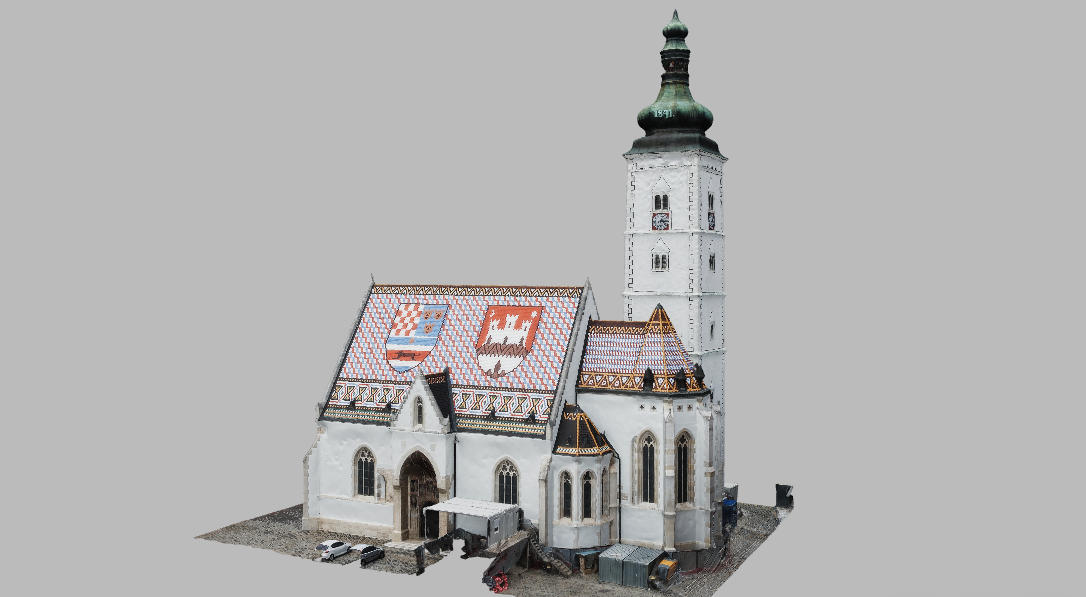
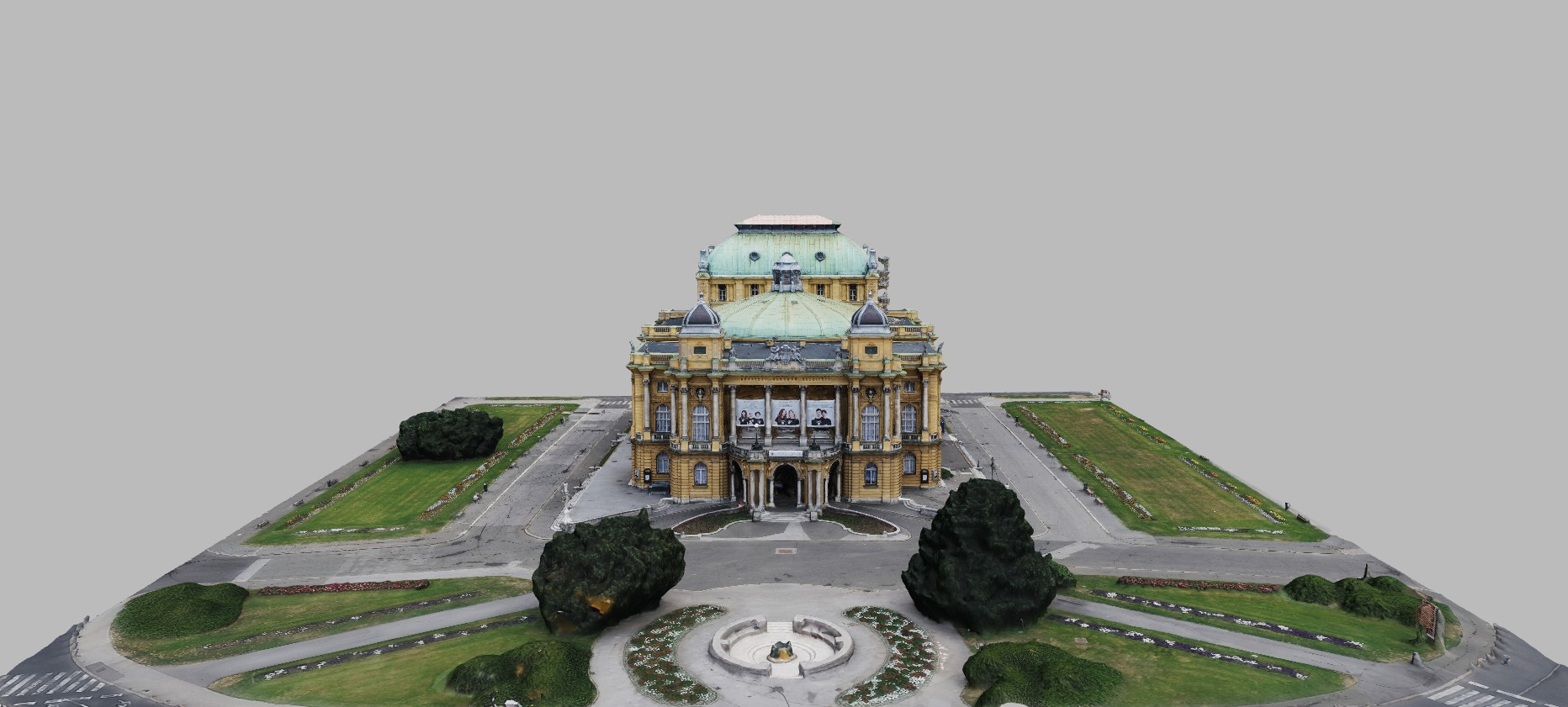
As Putni kofer writes, Zagreb is full of landmarks that testify to its rich history and culture, increasingly popular among tourists are Ban Josip Jelačić Square, the Upper Town (Gornji grad), the Church of St. Mark with its instantly recognisable colourful roof and the coat of arms of Zagreb and Croatia, the Stone Gate, the funicular, the famous “Tkalča” lined with cafes, restaurants and souvenir shops, Zrinjevac park, the Baroque Croatian National Theatre, the list goes on. Naturally, there’s also the beautiful medieval Lotrščak Tower, which Marija Jurić Zagorka, Croatia’s most widely read writer, wrote about in her cult novel “The Daughter of Lotrščak”. This historical beauty also hides some lesser-known interesting facts…
According to historical data, the Croatian-Hungarian King Bela IV repaid Gradec for the hospitality and shelter it provided while fleeing the Tatars. It was declared a free royal city, but in return, its inhabitants had to surround it with walls and towers. These were built over a full 20 years, until 1266. Then, the Lotrščak Tower was built, which was supposed to defend the southern entrance to the city itself, i.e. the former gate of Dverce, which was demolished in 1812 during the arrangement of the southern promenade (today’s much loved Strossmayer Promenade).
## Lotrščak tower hasn’t always been called that…
It’s therefore not really very surprising that Lotrščak was originally called the “Castle Tower”, and the name by which we still know it today was given in 1646, when a bell, campana latrunculorum, i.e. the thieves’ bell, was placed inside the tower. The tower warned the inhabitants when to come and close the city gates, at 22:00 in summer and 21:00 in winter. According to some old drawings, the tower initially had only two floors (with two windows on each) and a four-pitched roof.
At the end of the 16th century, when the dreaded Ottoman threat to the city finally began to subside, the defensive purpose of the tower itself gradually weakened. In the following period, its appearance also changed. The most significant modifications were recorded in the year 1857. During that year, two more floors were added to the tower in the then romantic wave of restoration of many medieval buildings, and a polygonal wooden fire alarm tower was erected on the roof.
Incidentally, Lotrščak tower is built of irregular stones, it is 19 metres tall, and its walls are 195 centimetres thick, except for the fourth floor, which is made of brick and is therefore significantly thinner. When the city did not have the money to repair and maintain the tower, it leased it to the citizens themselves, who were obliged to maintain it and also hand it straight back to the city in the event of an enemy attack.
## from playing billiards to becoming protected cultural property
Lotrščak Tower was also used as a trading warehouse from the 17th century, and during the 19th century, a café was opened there. In addition, billiards were also played in the tower back during that period. On its first floor there was the first billiards table in Zagreb, and the game (sport) itself was mentioned in Croatia as early as 1813. Lotrščak was also used for residential purposes, and after it was renovated, it finally became accessible to the public. Today, the tower is a protected cultural property of the Republic of Croatia.
The famous Grič cannon arrived in the city at the end of the 19th century at the suggestion of the then city councillor Đuro Deželić. It was first fired on January the 1st, 1877, but from the building of what is now the Hydro-meteorological Institute. The cannon was eventually moved to the Lotrščak Tower, and all the bell ringers of the city’s churches were guided by the shot, which was fired every day at exactly noon. This tradition is still very much alive today, and if you listen out at 11:59, you’ll hear the cannon fired at exactly 12:00 on a daily basis.
Nestled within the heart of Zagreb, Lotrščak Tower stands tall as an iconic symbol of the city's rich history and architectural prowess. This medieval tower, dating back to the 13th century, has not only witnessed centuries of Zagreb's evolution but has also played a pivotal role in its defense and cultural heritage.
Lotrščak Tower, with its distinct structure and commanding presence, offers visitors a captivating journey through time. The tower's architectural finesse showcases a blend of various influences, reflecting the cultural tapestry that has shaped Zagreb over the years. Its stone facade, medieval charm, and the promise of panoramic views from the observation deck make it a must-visit destination for history enthusiasts and tourists alike.
Adding to its allure is the daily firing of the Grič Cannon, a tradition dating back to the 19th century. This thunderous event not only reverberates through the city but also echoes the tower's historical significance in Zagreb's defense strategy.
As we delve into the intriguing tale of Lotrščak Tower, this blog will unravel its historical roots, shed light on its role in Zagreb's defense, and uncover the legends and folklore that surround this medieval gem. Join us on this journey through time as we discover the timeless charm and cultural significance of Lotrščak Tower in Zagreb.
The Lotrščak Tower in Zagreb boasts a captivating historical background that weaves through the centuries, making it a prominent landmark in the city's narrative. Initially built to safeguard the southern gate of Gradec, the historical upper town of Zagreb, the tower's origins date back to the tumultuous times of the Mongol invasions. Over the years, it underwent various renovations and adaptations, aligning itself with prevailing architectural trends while retaining its medieval charm.
In an era marked by invasions and conflicts, Lotrščak played a pivotal role in the defense strategy, offering a vantage point for monitoring the surrounding terrain and providing a formidable barrier against potential threats.
During times of sieges and battles, the tower served as both a lookout post and a defensive stronghold. Its strategic location allowed defenders to observe approaching forces and respond effectively to protect the city. The historical significance of Lotrščak Tower in Zagreb's defense is further underscored by its association with the Grič Cannon. The firing of the cannon at noon, a tradition dating back to the 19th century, not only served a practical purpose in signaling the closing of the city gates but also symbolized the city's resilience and commitment to safeguarding its heritage.
Beyond its defensive role, Lotrščak Tower also served as a symbol of authority, housing the bell that regulated the city's daily life and signaled the closing of the gates. This historical edifice witnessed the ebb and flow of Zagreb's fortunes, from medieval battles to the city's transformation into a vibrant European capital.
Today, as visitors ascend the tower and gaze upon the panoramic views of Zagreb, they are transported back to a time when the city's survival depended on structures like Lotrščak. Exploring the role of Lotrščak Tower in Zagreb's defense unveils a tale of strategic foresight and unwavering commitment to preserving the city's integrity throughout the ages.
This medieval marvel is not merely a stone structure; it is steeped in tales that echo through the corridors of time. Legends abound, and one such tale whispers of a mythical creature said to have dwelled near Lotrščak, adding an air of mystery to the tower's storied past. Folklore enthusiasts will find delight in uncovering these age-old stories that have been passed down through generations, intertwining the tangible history of the tower with the intangible magic of Zagreb's cultural heritage.
Local storytellers have woven narratives around Lotrščak Tower, bringing to life characters and events that transcend the boundaries of reality. These tales often highlight the tower's significance in Zagreb's folklore, portraying it as a guardian with mystical connections to the city's fate. As we unravel the mythical threads associated with Lotrščak, we invite you to explore the deeper layers of its narrative, where history and folklore dance together, creating a tapestry that adds a unique and enchanting dimension to this iconic Zagreb landmark. Whether you are a folklore enthusiast or simply curious about the hidden tales, Lotrščak Tower beckons with its magical allure, inviting you to discover the legends that have contributed to its enduring charm.
Lotrščak Tower’s survival through historical challenges underscores its strategic importance in the city's defense, facing the brunt of invasions and conflicts that marked various epochs. Over the years, Lotrščak Tower underwent multiple renovations and adaptations, each reflecting the architectural styles and needs of the times. These transformations, born out of necessity and a commitment to preservation, are integral to the tower's rich historical tapestry.
During the medieval era, the tower faced challenges synonymous with fortified structures, serving as a crucial component in Gradec's defense against external threats. The strategic significance of Lotrščak Tower made it a target during conflicts, subjecting it to the wear and tear of battle. However, the resilience displayed in the face of these challenges stands as a testament to the enduring spirit of Lotrščak Tower. Exploring the historical challenges that this iconic structure has overcome provides a fascinating glimpse into the dynamic narrative of Zagreb's past and the integral role Lotrščak Tower played in shaping the city's destiny.
Beyond the medieval charm of Lotrščak Tower, a treasure trove of attractions and points of interest awaits visitors in the vicinity, creating an immersive experience in the heart of Zagreb. Just steps away, St. Mark's Church showcases an exquisite display of medieval and neo-Gothic architecture, with its colorful tiled roof depicting the coats of arms of Zagreb and Croatia. A leisurely stroll leads to the Stone Gate (Kamenita Vrata), a historical portal that has withstood the test of time, housing a revered painting of the Virgin Mary. The Dolac Market, a bustling open-air market, beckons with its vibrant array of fresh produce, local crafts, and the authentic hustle and bustle of daily life.
For art enthusiasts, the Museum of Broken Relationships, situated nearby, offers a unique and emotionally resonant exploration of personal stories through donated mementos. The Croatian Museum of Naïve Art, another gem in proximity, showcases an impressive collection of naive and outsider art, providing a captivating contrast to the more traditional art scenes.
The vibrant Tkalciceva Street, renowned for its lively atmosphere and diverse eateries, invites visitors to savor local flavors and soak in the city's dynamic energy. Additionally, the Zagreb Funicular, one of the world's shortest funiculars, provides a charming journey from the Lower Town to the Upper Town, offering panoramic views of the city.
Exploring the surroundings of Lotrščak Tower becomes a delightful adventure, with a mosaic of historical, cultural, and culinary attractions seamlessly integrated into the cityscape. Whether you're drawn to art, history, or gastronomy, the area surrounding Lotrščak Tower ensures a rich and diverse experience for every visitor, making it a pivotal hub for those eager to uncover the many facets of Zagreb's vibrant character.
Conclusion
The journey through the historical tapestry of Lotrščak Tower in Zagreb unveils a captivating narrative that transcends centuries, embodying the city's resilience, cultural richness, and architectural splendor. From its medieval origins as a strategic defense post to its enduring role in folklore and daily life, the tower stands as a symbolic guardian of Zagreb's heritage. The echoes of the Grič Cannon, resonating through time, serve as a reminder of the tower's integral part in the city's daily rhythm and historical defense strategies.
As visitors ascend the tower and gaze upon the panoramic views, they not only witness the city's skyline but also become immersed in the layers of history that Lotrščak has witnessed. The surrounding attractions, from St. Mark's Church to the Museum of Broken Relationships, create a vibrant tapestry of experiences, making the area a cultural hub within Zagreb.
Lotrščak Tower did overcome a lot of challenges during time and it still stands as an enduring symbol of Zagreb's past and present. Whether you're a history enthusiast, folklore lover, or art connoisseur, exploring Lotrščak Tower offers a profound connection to the city's soul, inviting all to partake in the timeless beauty and stories etched into the stones of this iconic landmark.
Sit & Meet is a project in Zagreb that includes unique walking tours where you can meet Croatian innovators and geniuses for a coffee along with seeing all the famous city sights.