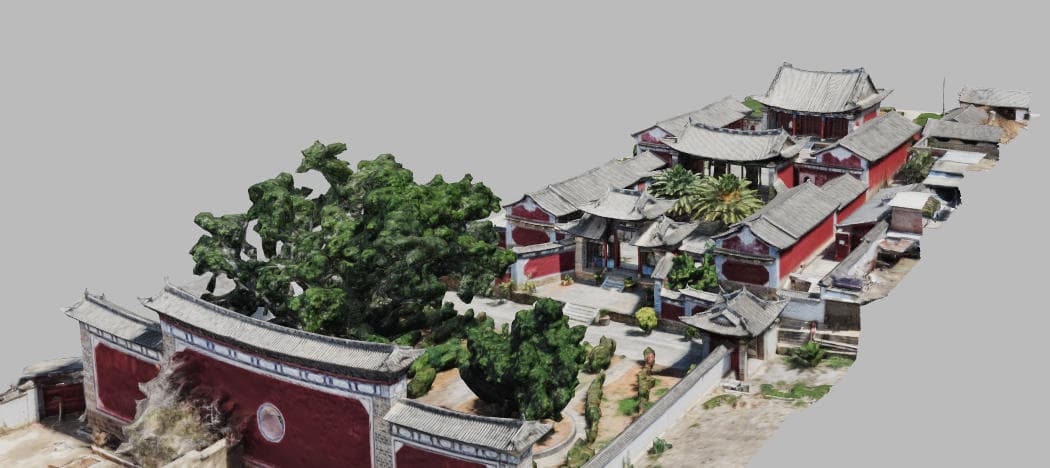
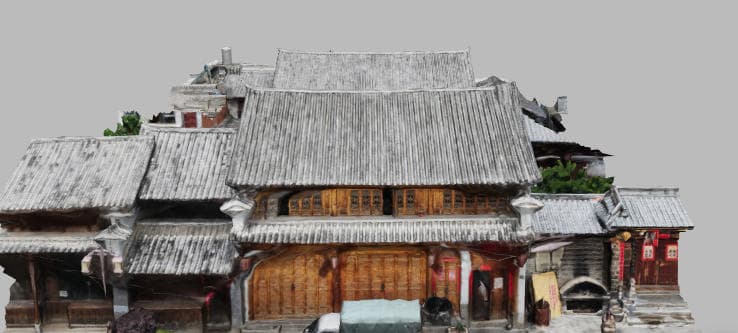
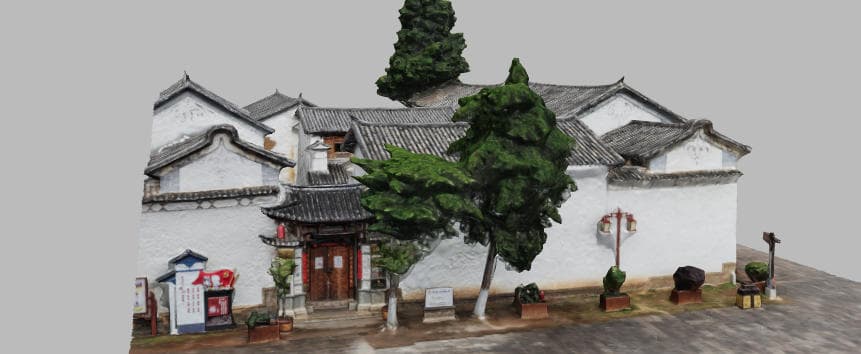
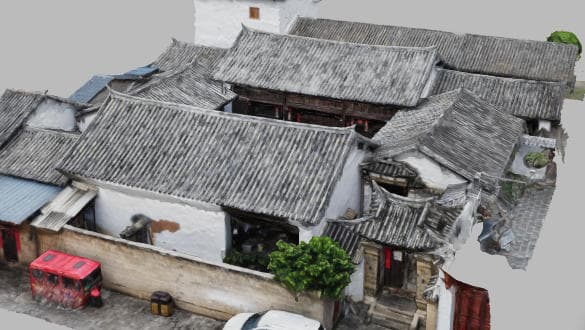
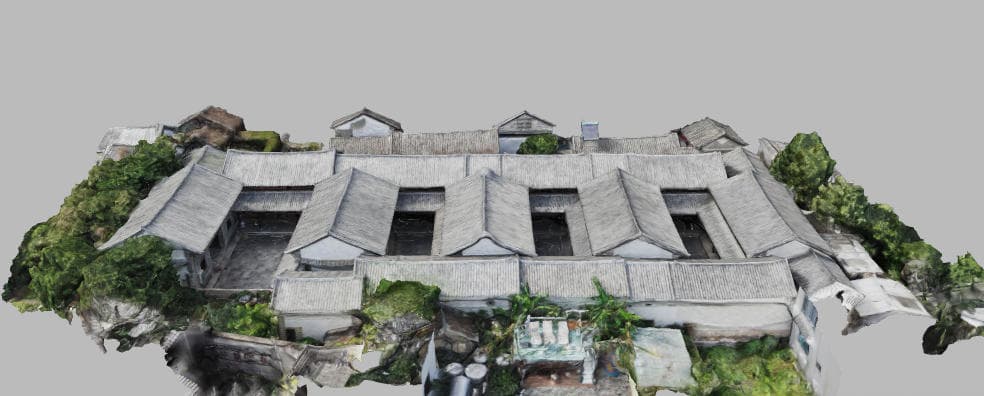
In 1494, when Binchuan became a state seat, builders in Zhoucheng Town raised a sanctuary of learning. Today, the Binchuan Zhoucheng Confucian Temple stands in Yunnan Province, facing west. It forms a perpendicular, T-shaped complex with the adjacent Martial Temple, balancing civil and martial traditions.
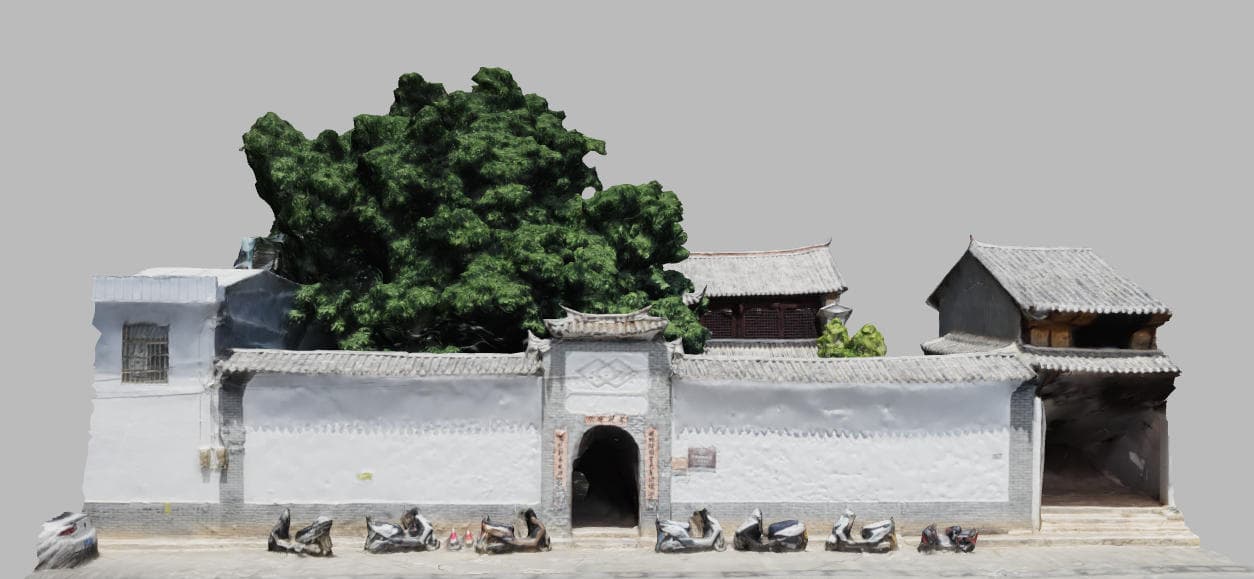
Visitors enter through a four-entry courtyard spanning over 5,000 square meters along an east-west axis. At the western entrance, a massive screen wall features a unique circular hole. Historically, locals kept this opening sealed. They opened it only for extraordinary events, such as celebrating He Bangxian, the first local scholar to pass the imperial jinshi exam.
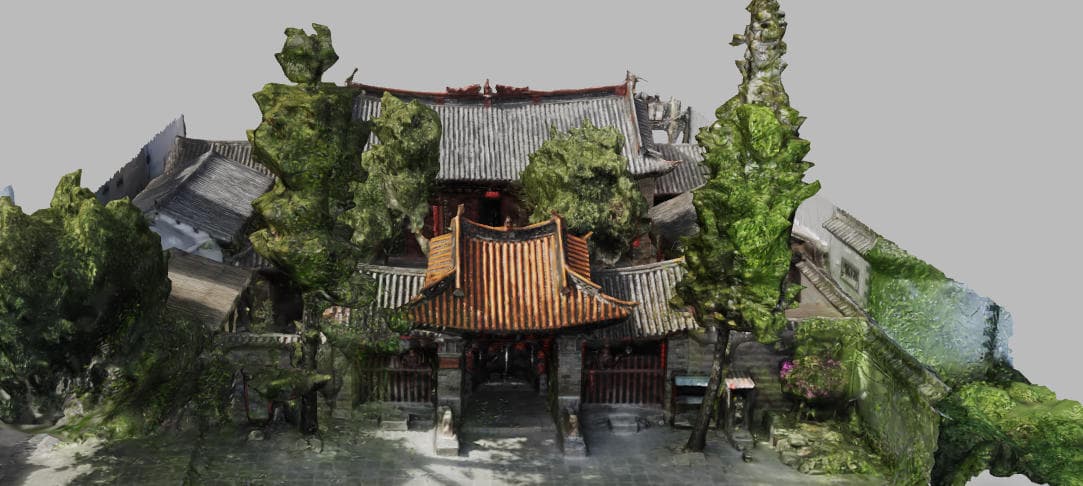
Beyond the wall, the 9.4-meter-deep Lingxing Gate rises on double-layer base tiles. Its double-row columns support an octagonal flying eave, held together by interlocking, mi-shaped wooden brackets. Past the Minghuan and Xiangxian ancestral halls, the red-painted Dacheng Gate stands five bays wide and two bays deep. This gate remains closed, directing daily visitors through the smaller Jinsheng and Yuzhen side gates.
The central Dacheng Hall measures 17.7 meters wide and 10.93 meters deep. Its single-eave gable-and-hip roof features clay Aoyu, legendary fish-like creatures meant to ward off earthquakes. Inside, the timber framework combines column-and-tie and post-and-beam systems. The builders intentionally selected curved logs for the columns. These irregular pillars physically express the Confucian ideal of education for all, regardless of background.
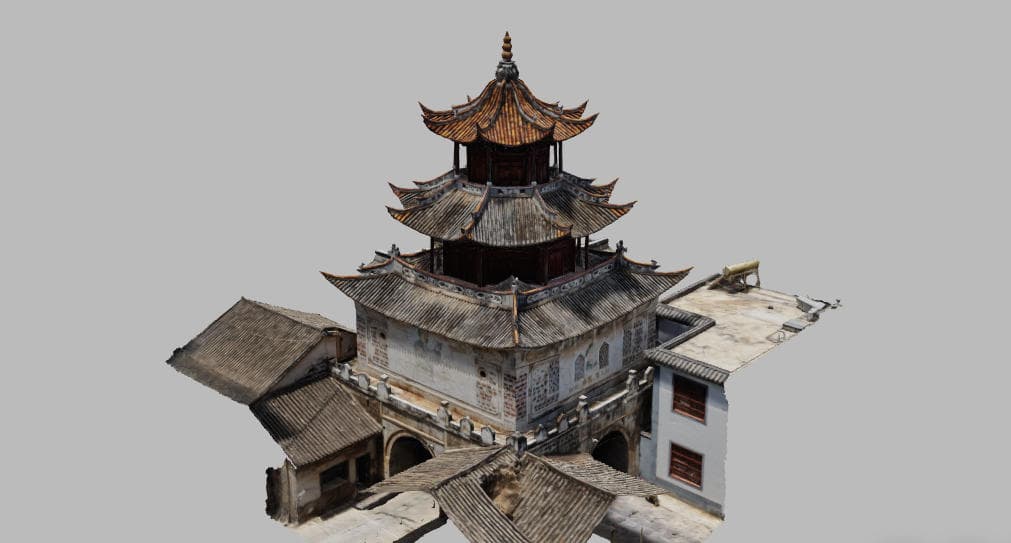
At the easternmost end, the pavilion-style Chongsheng Ancestral Hall completes the axis. Over the centuries, the temple survived earthquakes and political shifts, undergoing major reconstructions in 1541, 1700, and 1878. Today, the weathered wood and preserved murals of this national-level heritage site connect modern visitors directly to the magistrates and students who once celebrated their academic success on these stone paths.