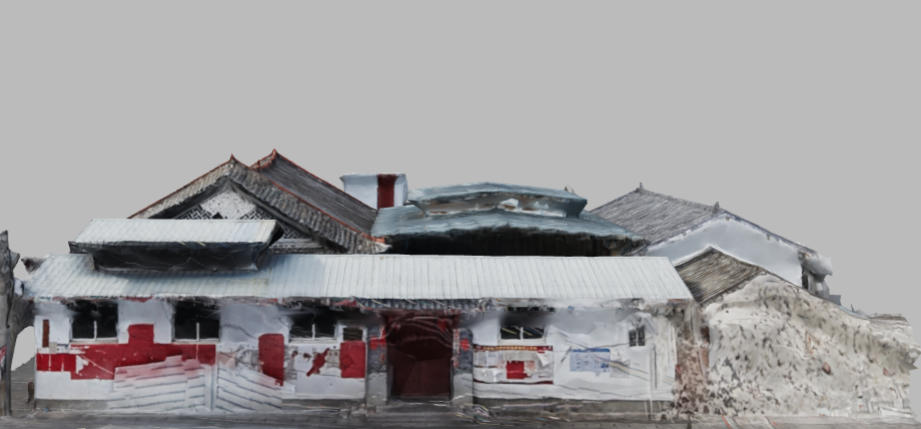
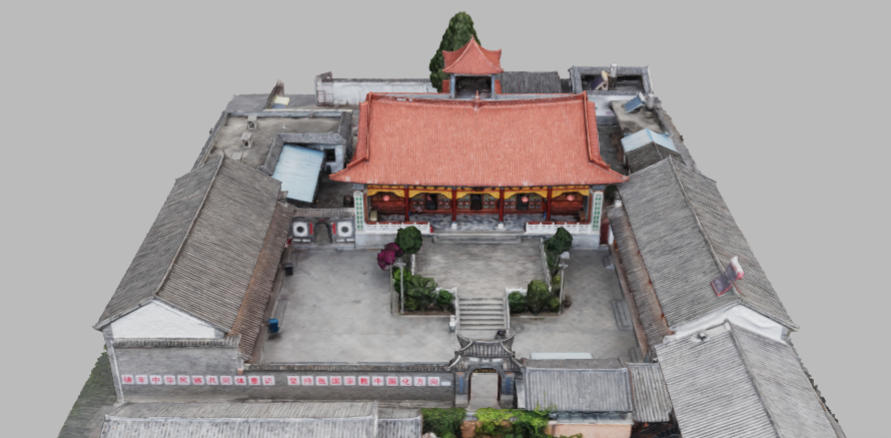
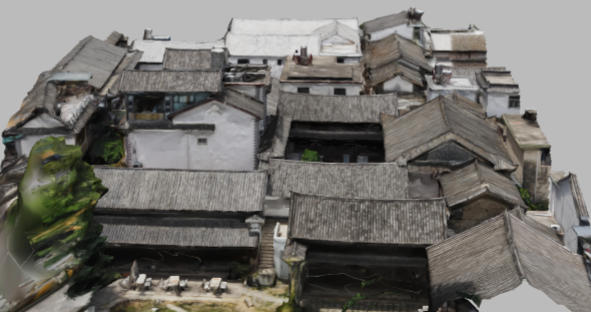
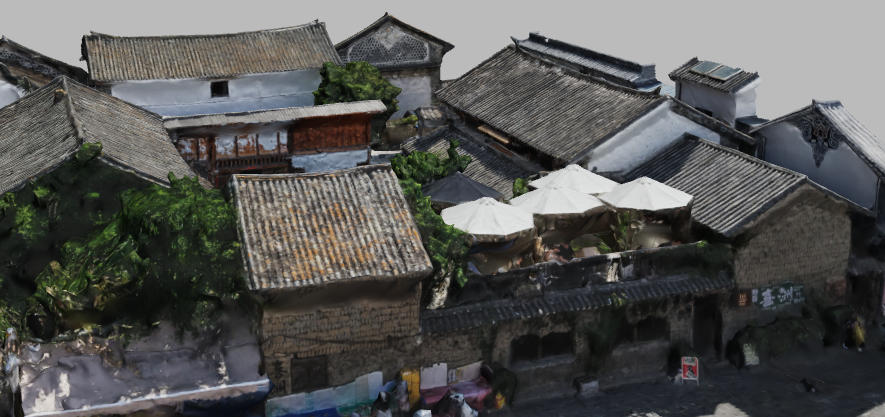
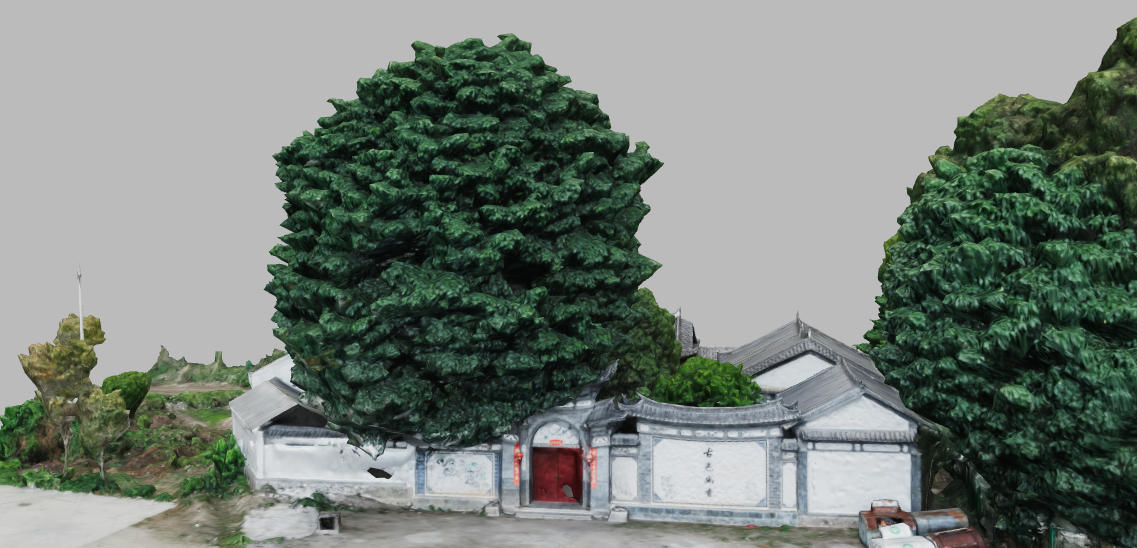
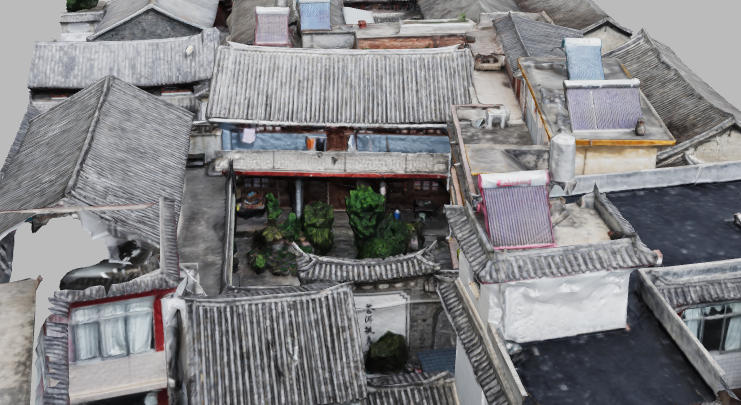
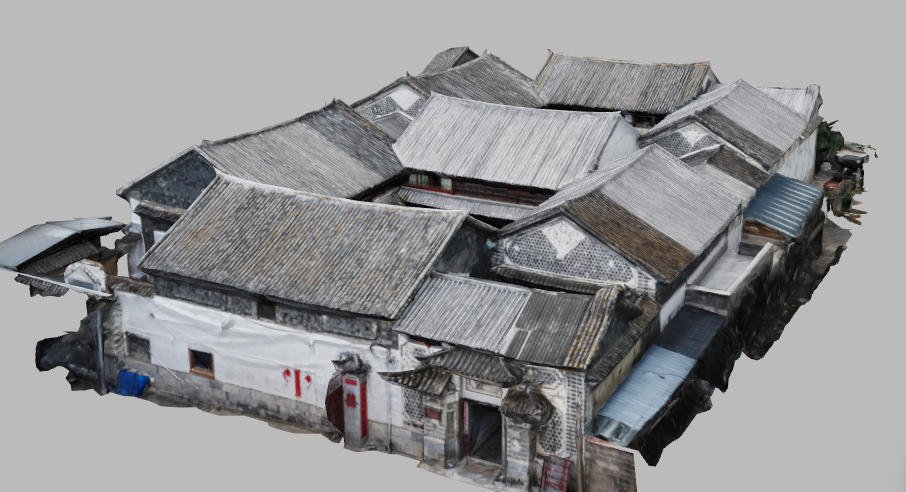
At No. 459 Fuxing Road, within the ancient stone walls of Dali, stands a sanctuary of light and memory. The Dali Rural Film History Museum, co-located with the Dali Prefecture Film Archive, occupies the site of the former Dali Cinema, which began as the North Gate Cinema in 1939. Rebuilt with the cool touch of white plaster walls, green roof tiles, flying eaves, and traditional landscape murals, the structure preserves the architectural style of the Bai ethnic minority.
Inside, the air carries the faint, vinegar-sweet scent of aging celluloid. The museum preserves over 46,700 individual items, including 1,200 celluloid film reels and a rare 1957 Yangtze Model 54 16mm projector. In the exhibition halls, visitors encounter the physical labor of early cinema. One display reconstructs the grueling journeys of mobile projectionists, featuring the heavy weight of bamboo carrying poles, metal film boxes, and portable gas lamps used to bring movies to remote mountain villages. The hiss of those gas lamps and the strain of the poles on tired shoulders are preserved here as historical realities.
Human stories live within these walls.Every evening at 20:00, the courtyard transforms. The whir of a projector fills the night air as the museum screens free outdoor movies for locals and travelers under the open sky. On Fridays, the space fills with the acoustic rhythms of traditional Dabenqu performances. This public institution, which welcomes over 400,000 visitors annually, keeps the collective memory of rural Yunnan alive, proving that the ephemeral flicker of light on a screen can bind generations together.
Metadata
Significance
As China’s first museum dedicated to rural cinema, the Dali Rural Film History Museum preserves the legacy of mobile projectionists who brought movies to remote villages. Housed in a former cinema built in traditional Bai architectural style, the museum archives thousands of celluloid reels and vintage projectors. Through free nightly courtyard screenings, it remains an active community space, keeping the historic, shared social experience of open-air cinema alive for modern visitors.
@misc{FUNES_dali_rural_film_history_museum_2026,
  author       = {Fengze Cao},
  title        = {{Dali Rural Film History Museum (大理农村电影历史博物馆) -- 3D Cultural Heritage Record}},
  year         = {2026},
  publisher    = {FUNES.WORLD},
  howpublished = {\url{https://funes.world/entities/dali-rural-film-history-museum}},
  note         = {Technique: Photogrammetry; Format: .glb; License: CC BY-NC 4.0}
}
Academic References & Sources (12)
## Overview
The Dali Rural Film History Museum (Chinese: 大理农村电影历史博物馆) is located at No. 459 Fuxing Road within the Ancient Town of Dali, Yunnan Province, China. It is the first specialized film museum in Yunnan Province and the first dedicated rural film history museum in China. The institution operates as a public museum and is co-located with the Dali Prefecture Film Archive (大理州电影档案馆). It serves to document and showcase the historical development of rural film projection in the Dali region and broader Yunnan Province since the 1950s.
## Historical Development
The origin of the museum dates back to 1939 during the Second Sino-Japanese War, when the first public cinema in the area, the "North Gate Cinema" (北门电影院), was established outside the north gate of Dali Ancient City. In 1986, the cinema was rebuilt and renamed the "Dali Cinema" (大理电影院). In February 2011, the local government officially approved a project to transform the aging cinema into a specialized museum, investing approximately 8 to 9.5 million yuan.
The Dali Rural Film History Museum officially opened to the public for free on April 17, 2011, during the local March Street Ethnic Festival. In September 2011, the establishment of the Dali Prefecture Film Archive was formally approved, integrating its operations with the museum under the administration of the Propaganda Department of the CPC Dali Prefectural Committee.
## Architectural Features
The museum maintains a design that blends traditional regional architecture with functional cinema elements. Built on the site of the former Dali Cinema, the structure features the classical Bai ethnic minority residential style, characterized by green roof tiles, white walls, flying eaves, and traditional landscape murals (山水彩绘). The facade and spatial layout preserve the visual memory of an urban-rural cinema from the 1980s.
The facility has a total construction area of approximately 1,714 square meters, with an exhibition area of 1,252 square meters. The interior space is divided into 11 distinct exhibition zones. These zones include:
The Prologue Hall (序厅): Displays large color stills of iconic films like Five Golden Flowers and vintage photos of regional theaters.
The Large Film Projection Equipment Exhibition Area: Displays various historical models of projectors.
The Rural Film Projection Scene Reconstruction Area: Showcases portable gear used by mobile projectionists, such as bamboo carrying poles, film boxes, screens, and gas lamps.
The Film Library (胶片库): Dedicated archive for physical film preservation.
The Fine Film, Costume, and Prop Exhibition Area: Showcases historical costumes and props.
The Old Film Projection Experience Area: Allows visitors to experience legacy projection methods.
The Video Hall (影像厅): Features digital film screenings.
The Bai Ethnic Minority Living Room (白族堂屋): A reconstructed traditional local home environment.
## Current Status
The Dali Rural Film History Museum houses a collection of 6,565 sets of cultural relics and film-related items, totaling over 46,700 individual pieces. Its inventory includes more than 1,200 celluloid film reels, 5,000 film DVDs, and 10,000 digital movies, along with historic projection equipment, handbills, scripts, costumes, and props. Notable artifacts include a rare 1957 Yangtze Model 54 16mm film projector.
Operating under full public funding, the museum is free to enter and is open daily from 9:00 to 22:00. Every evening at 20:00, the museum screens free outdoor plaza films in its courtyard, recreating the historic open-air film viewing experience. On Fridays, the museum hosts traditional "Dabenqu" (大本曲) non-material cultural heritage performances. The museum serves as a designated provincial and prefectural-level base for patriotic education, science popularization, and social science dissemination. It receives over 400,000 visitors annually, with cumulative visitor numbers exceeding 5.5 million.
# China Dali Rural Film History Museum

3

Dali
Located in Dali Ancient Town (大理古城), Yunnan Province, the Dali Rural Film History Museum (also known as the Dali Prefecture Film Archive, 大理州电影档案馆) opened in 2011 at No. 459, Fuxing Road (复兴路). It was established by the Dali Prefecture Party Committee and Government to preserve and showcase the culture of rural cinema in Dali, enrich the cultural appeal of the ancient town, and enhance its tourism value. The museum was transformed from the original Dali Cinema, maintaining its historic façade and style.
Category: State-owned specialized film museum, public welfare institution
Opening Date: April 17, 2011
Opening Hours: Monday to Sunday, 9:00–22:00
Main Collections: Film reels, projectors, posters
Total Investment: Over 9.5 million RMB
Total Items: 6,914 pieces (sets)
Exhibition Area: 1,252.05 m²
## Historical Background

The Dali Rural Film History Museum is the first specialized rural film history museum in China. It was created to protect, explore, and present Dali’s rural film heritage, thus strengthening the region’s cultural tourism industry.
In February 2011, following the principle of “restoring the old as old,” over 8 million RMB was invested to reinforce and renovate the old Dali Cinema. The museum began with more than 6,000 items, including vintage projection equipment, film reels, old posters, and photographs, officially opening during the March Street Festival on April 17, 2011.
## Architectural Layout
The museum, with a total investment of about 8 million RMB, is divided into 10 sections: an introductory hall, large-scale projection equipment display, rural film screening scene reconstruction, costume and prop display, old film viewing area, and more.
Its main theme follows the century-long history of rural film screening in Dali, highlighting classics from the 1950s and 1960s. Exhibits include old photographs, film stills, posters, projectors, reels, and promotional materials, presenting a comprehensive history of rural cinema in the area.
## Exhibition Content

Since late 2010, over 6,200 exhibits have been collected through purchases, donations, and loans. Items range from silent-era projectors and original Charlie Chaplin posters to stills from Dali-themed films such as Five Golden Flowers (五朵金花). Many are rare and of high cultural value.
## Dali’s Film History
In the late Qing and early Republican period, French missionaries screened slides—called “local films” by the public—at the Catholic church by Dali Ancient Town’s east gate, introducing the concept of visual storytelling. Over the years, Dali became a popular filming location, producing classics such as Five Golden Flowers. The museum traces this journey from early slide shows to major domestic and international productions filmed in Dali.
## Cultural Activities
### Five Golden Flowers and Dali Cinema
On April 26, actors from the film Five Golden Flowers and the TV drama The Children of the Five Golden Flowers reunited at the museum, sharing memories and performing songs such as the iconic theme “By the Butterfly Spring” (蝴蝶泉边).
### Ethnic Minority Film Exhibition & Seminar
In April 2016, the museum hosted the Cross-Strait Ethnic Minority Film Week, featuring screenings and discussions between filmmakers and scholars from Yunnan, Taiwan, and other regions. The museum’s collection of ethnic minority films and materials was praised as rare and invaluable.
## Cultural Significance
Acclaimed director Chen Kaige praised the museum as “not just a tourism project, but a cultural achievement.” It condenses Dali’s rural film history into one venue, allowing visitors to experience both cinematic heritage and local traditions.
The exhibits include restored Bai-style interiors, vintage film posters, and over 1,100 classic films for viewing. Free entry and regular screenings attract both locals and tourists, making it an important cultural hub.
## Science and Culture Promotion
As a designated science education base, the museum collaborates with the Dali Association for Science and Technology to host public science screenings, distribute educational materials, and organize student visits. It has screened over 180 science short films alongside its cultural programming.
## Visitor Information
Address: No. 459, Fuxing Road (复兴路), Dali Ancient Town (大理古城), Dali City, Yunnan Province
Opening Hours: Monday to Sunday, 9:00–22:00
Transportation: From the intersection of Fuxing Road and Yuer Road (玉洱路), walk north 100 m. Bus routes 8, 4, or the Chongsheng Temple Three Pagodas special line.
Visitor Numbers: In 2015, the museum received 920,000 visitors.
# China Dali Rural Film History Museum
Museum
## About
Nestled in the heart of Dali, the Dali Rural Film History Museum stands as China's pioneering institution dedicated to rural film history. This captivating museum showcases an extensive collection of film reels, costumes, and props that span various eras, offering visitors a unique glimpse into the evolution of cinema in rural settings. Originally renovated from the old Dali Cinema with an investment exceeding 9.5 million yuan, it opened its doors during the vibrant March Street Ethnic Festival in 2011.
## Highlighted reviews
(Translated by Google) very nice and worth it. Films are also shown outside (Original) bijzonder leuk en de moeite waard. Buiten worden ook films vertoond
(Translated by Google) The Dali Rural Film History Museum displays the history and culture of rural films in Dali. With a total investment of more than 9.5 million yuan, it was renovated from the original Dali Cinema and put into use during the March Street Ethnic Festival in 2011. Focusing on rural and ethnic minority film screenings, through old pictures, old film stills and posters, as well as film film screening facilities and equipment, the development process of Dali's rural film screening industry will be systematically displayed to the public and the film culture will be spread. (Original) 大理农村电影历史博物馆以展示大理农村电影历史文化为内容,总投资950多万元,以原大理电影院改建,在2011年三月街民族节投入使用。以农村、少数民族电影放映为主线,通过老图片、老电影剧照和海报以及胶片电影放映设施设备等,向社会公众系统展示大理农村电影放映事业的发展历程,传播电影文化。
###### Address
459 Fuxing Rd, Dali, Yunnan, China, 671003
###### Website
http://www.chinanews.com/cul/2011/10-31/3425249.shtml
459 Fuxing Rd, Dali, Yunnan, China, 671003
http://www.chinanews.com/cul/2011/10-31/3425249.shtml
###### Address
459 Fuxing Rd, Dali, Yunnan, China, 671003
###### Website
http://www.chinanews.com/cul/2011/10-31/3425249.shtml
459 Fuxing Rd, Dali, Yunnan, China, 671003
http://www.chinanews.com/cul/2011/10-31/3425249.shtml
{"format":"funes-coordinate-repair-event-v1","type":"repair","batchId":"gps-remaining668-20261018-7b0e0ee0cde6","scopeSha256":"7b0e0ee0cde62183297566528bd01cfd8e1c0424cd2a657a7b7b24276021d103","targetSetSha256":"8a7baa6aef786fe25d69197d380bad5296191f051bc4d12089c25bec4f8f0f03","documentId":"m08rhzuzr4koeeeoqsm0d2tg","operationId":"gps-remaining668-20261018-7b0e0ee0cde6:m08rhzuzr4koeeeoqsm0d2tg:repair","receiptId":"6a6423da-b646-456b-9352-07e823d1e535","performedAt":"2026-10-18T08:47:49.230Z","actor":"ssh:ubuntu/db:funes-cms-admin","repairKind":"conversion","originalCRS":"GCJ02","transform":"eviltransform@03ba58d92dfda57f8a1635f3805483c8fc10bd77/gcj2wgs_exact","beforeCRS":"GCJ02","afterCRS":"WGS84","candidateSha256":"3efbb3dce6a33a27b32788b5e48ee0e2e1fd72761e2c15149da993211c8eb2ab","physicalRowId":7032,"before":{"lat":25.69597,"lng":100.159365},"after":{"lat":25.698936701574137,"lng":100.15813959726685},"approximate":true,"note":"Recorded-point CRS correction; not a surveyed center."}