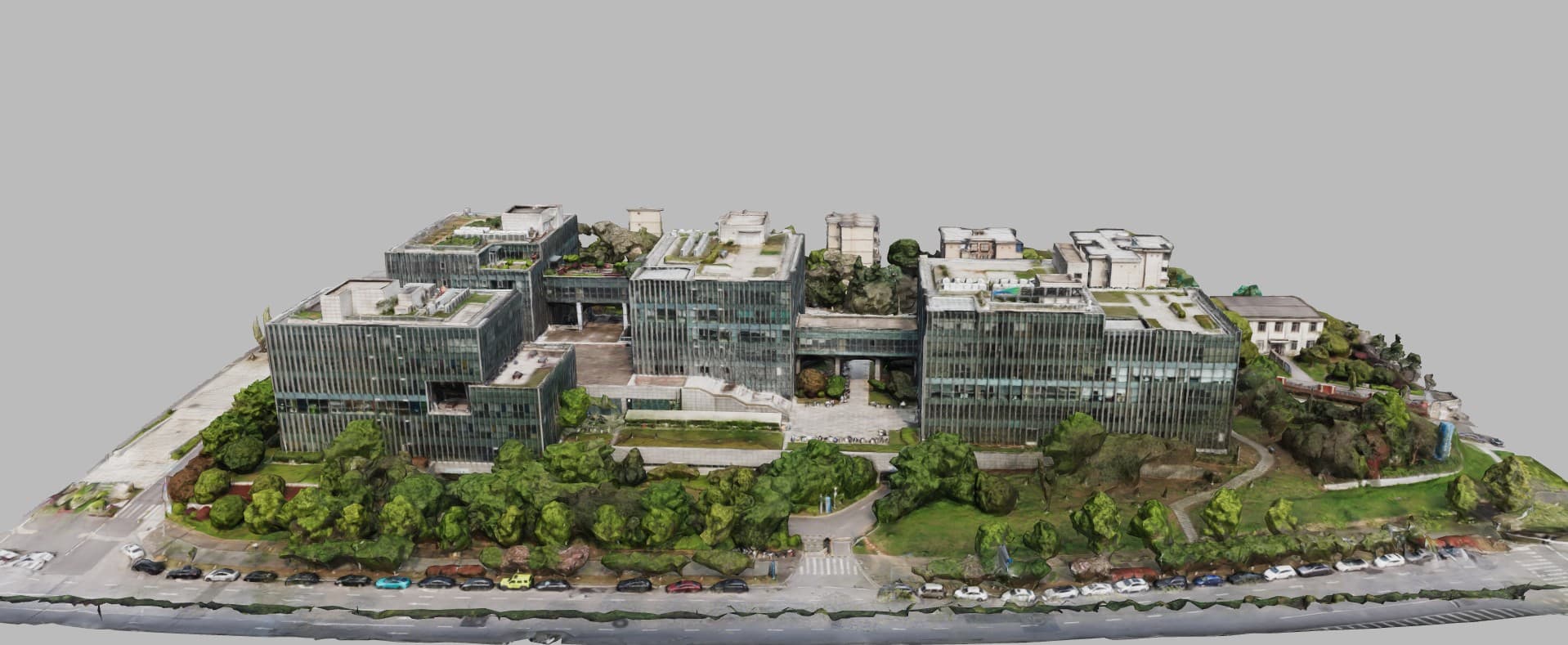
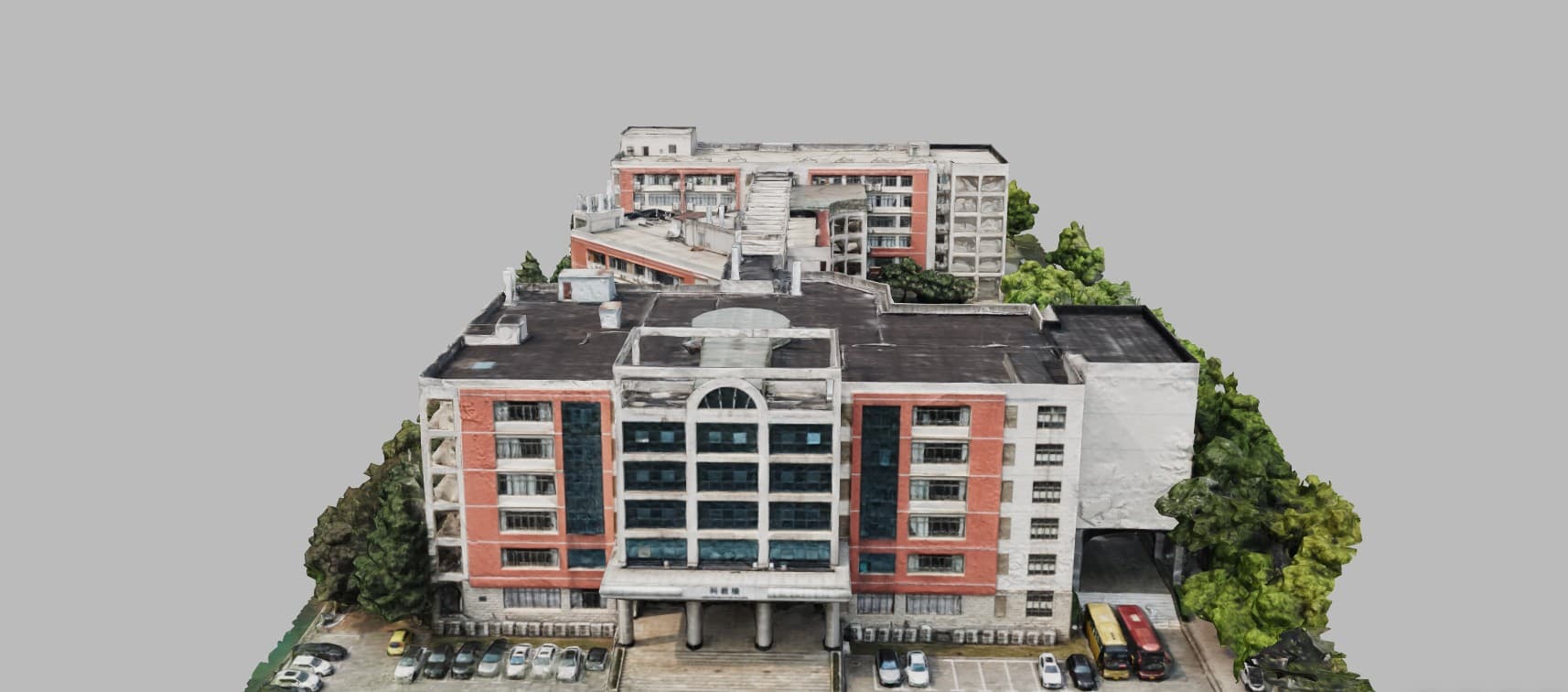
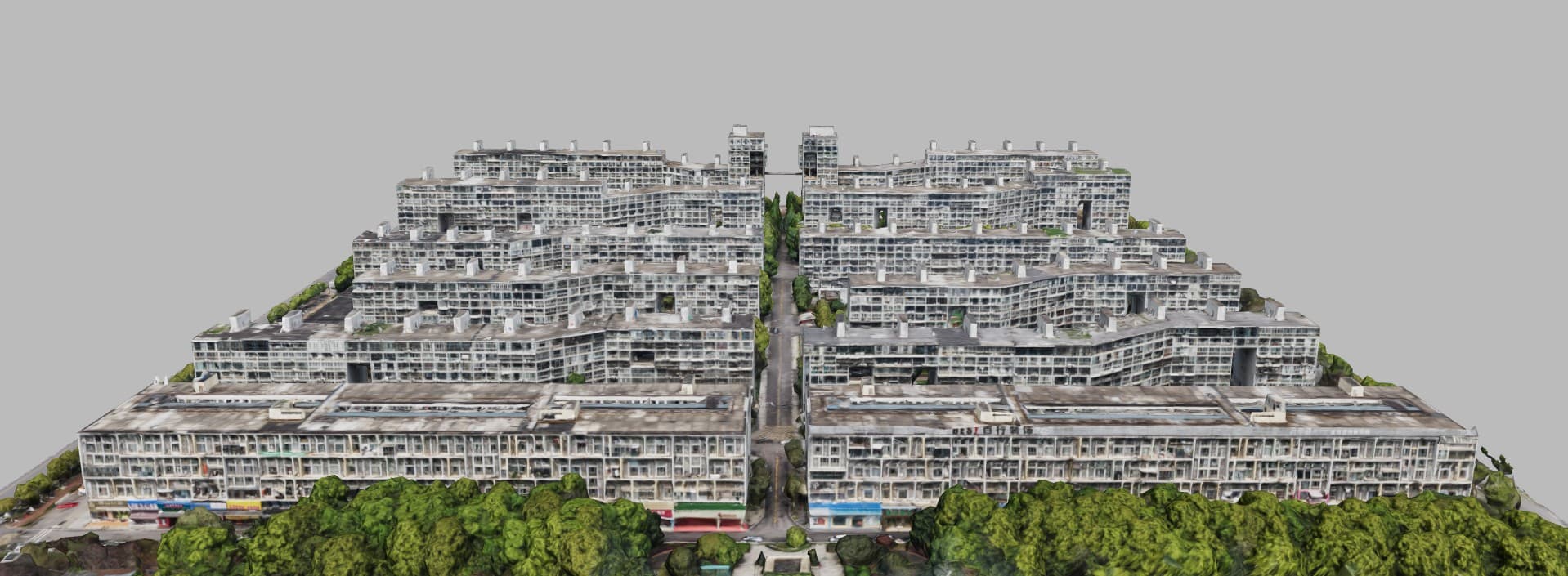
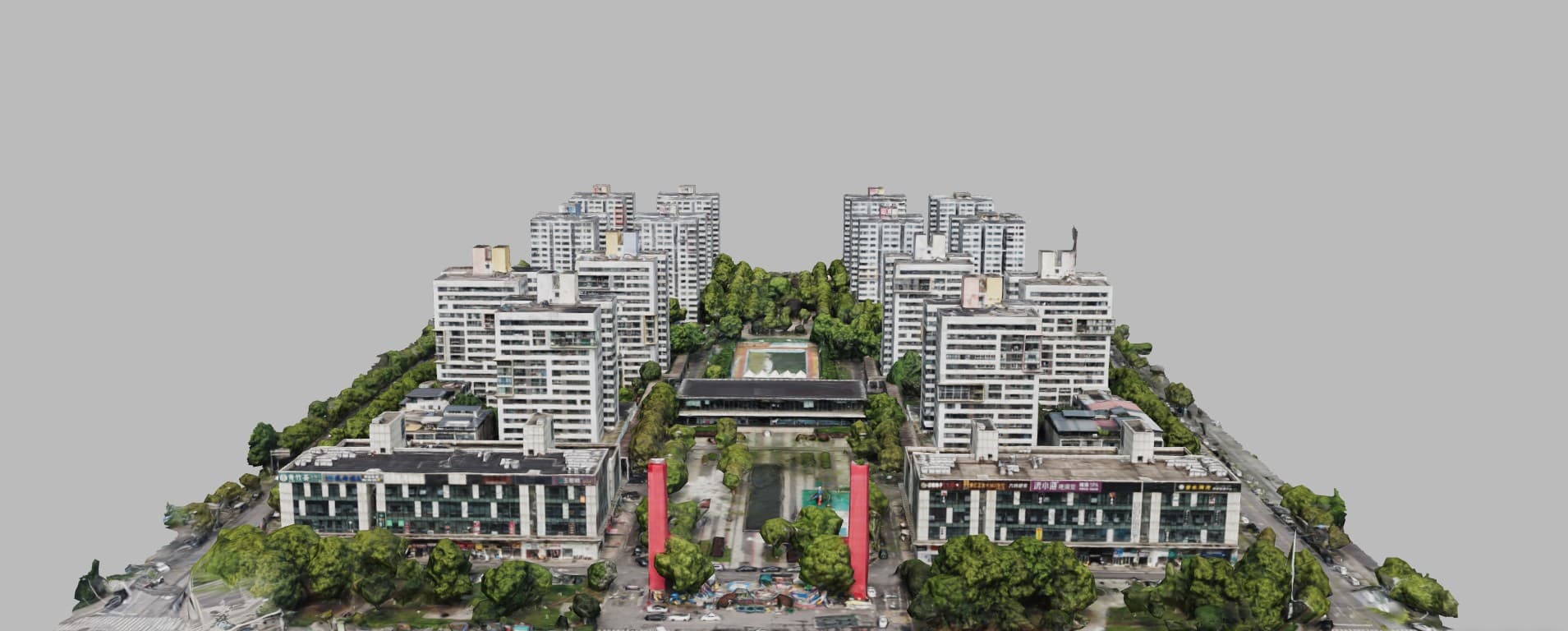
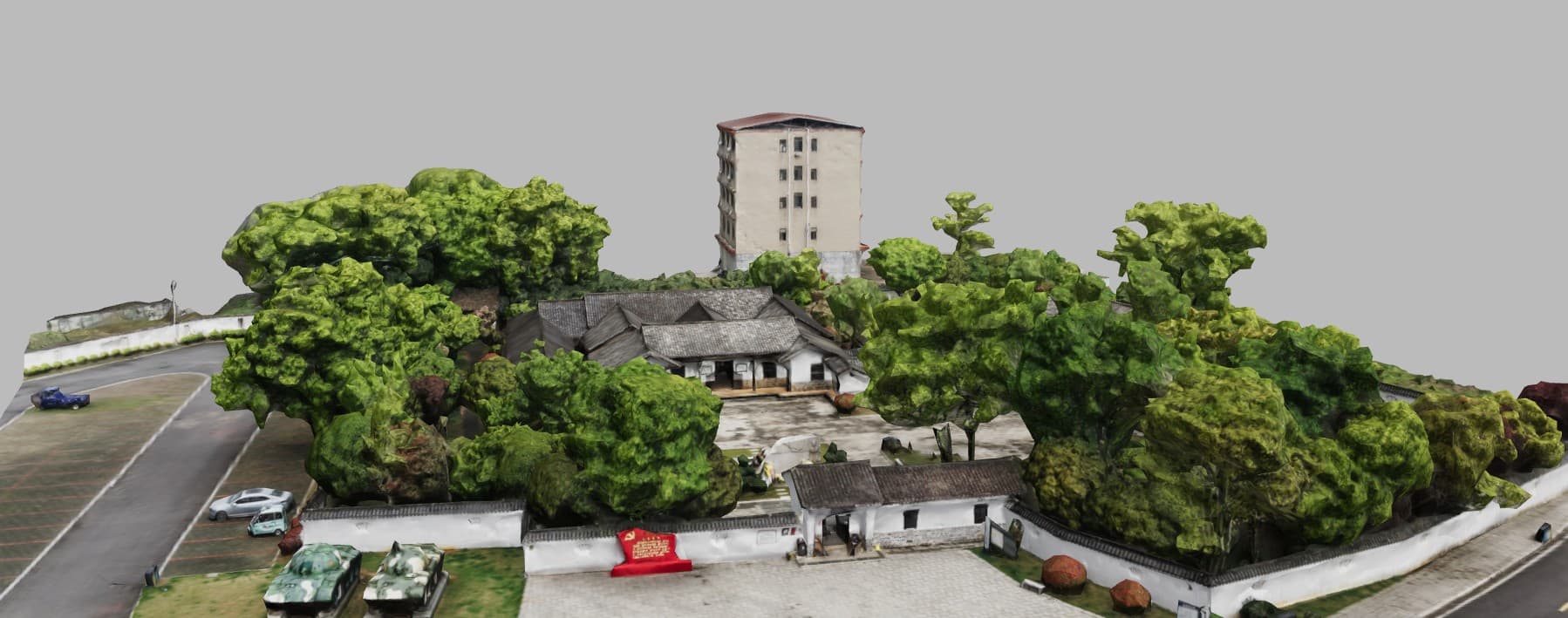
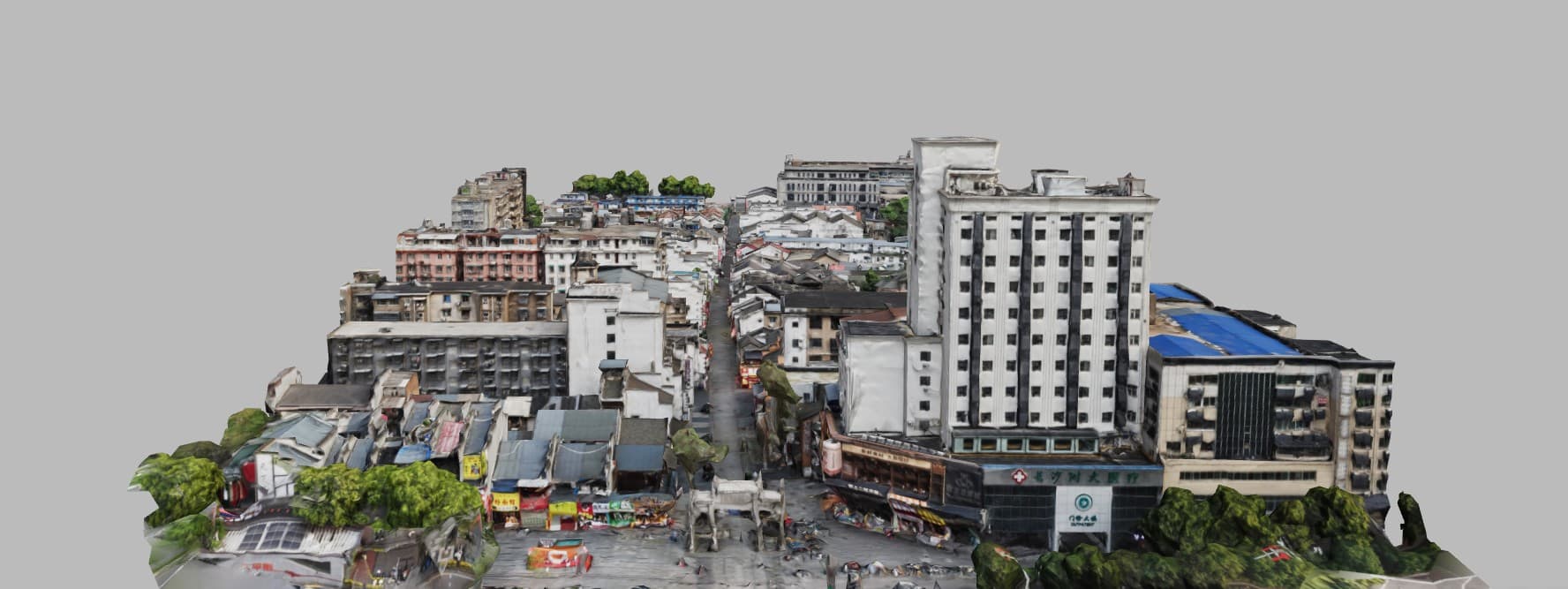
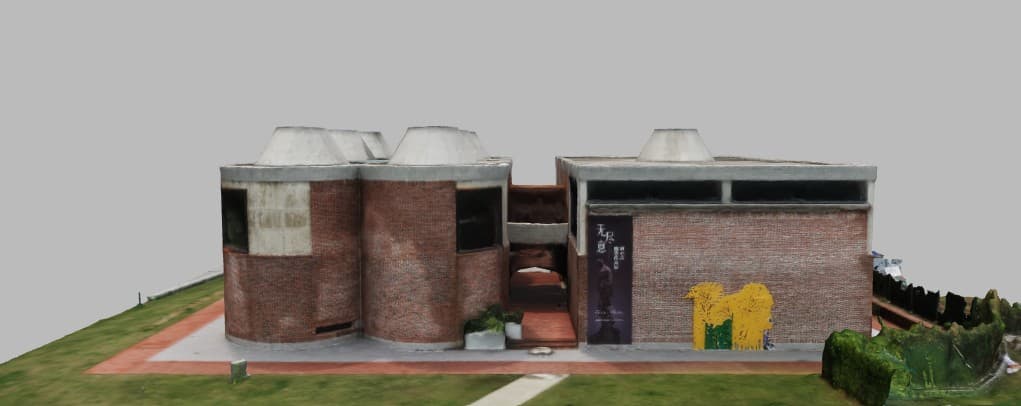
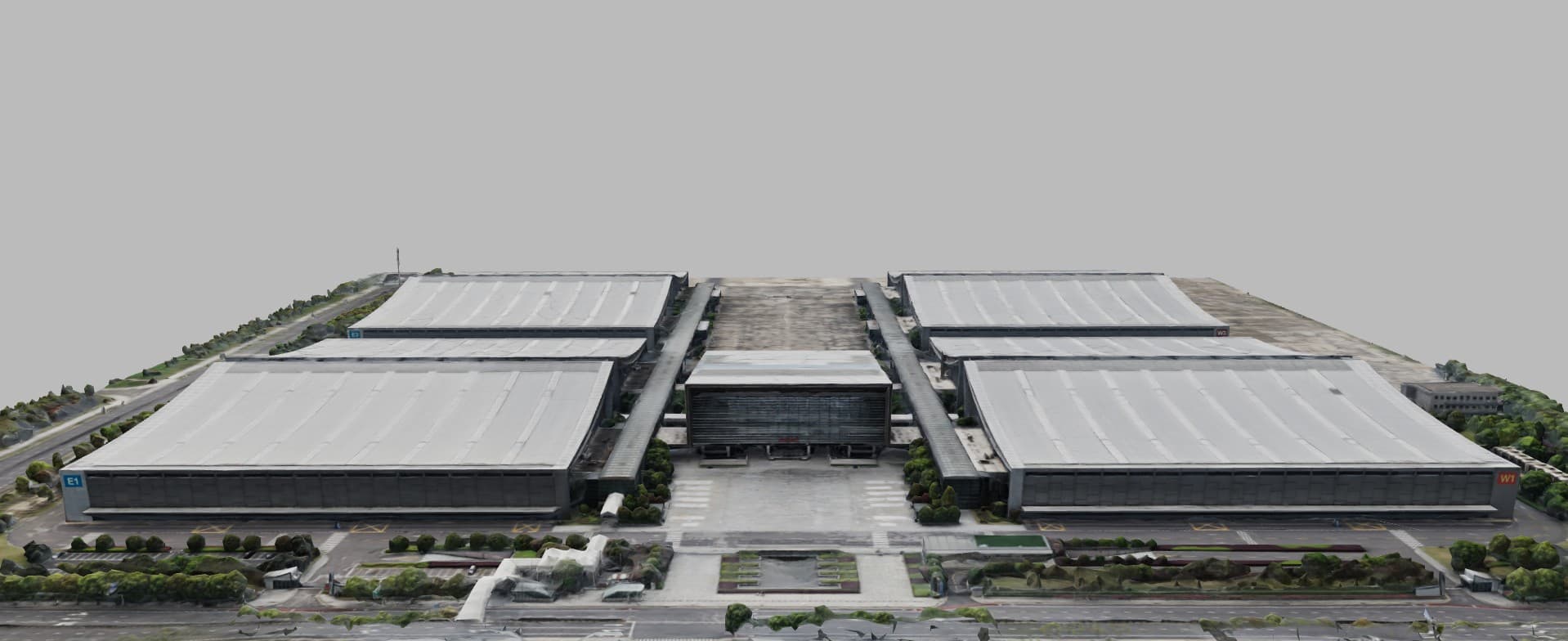
Nestled at the foot of Yuelu Mountain in Changsha, the historic campus of Central South University unfolds amid wooded slopes, shaded avenues, and generations of academic architecture. Red-brick teaching buildings, traditional tiled roofs, and restrained symmetrical façades establish a distinctive architectural identity, blending Chinese aesthetics with Western influences. Among the campus's oldest surviving structures, the Democracy Building and the Peace Building feature balanced compositions, elongated windows, and understated ornamentation. The Gantang residences, originally built to accommodate Soviet specialists, introduce another architectural layer, reflecting the international exchanges that shaped China's industrial education during the mid-twentieth century.
Complementing these historic buildings, Jianyuan Garden forms an open recreational landscape within the campus. Its outdoor basketball courts, green spaces, and pedestrian paths provide a spatial contrast to the formal arrangements of the surrounding academic buildings. Vegetation softens the boundaries between architecture and athletic grounds, creating a setting where intellectual pursuits, physical activity, and everyday social encounters coexist. Rather than functioning merely as a decorative garden, Jianyuan serves as an integral part of the university's living environment.
The campus traces its architectural origins to the mid-1930s, when Tsinghua University, under the leadership of President Mei Yiqi, began constructing a southern campus in anticipation of escalating Japanese aggression. The Democracy Building and the Peace Building were erected between 1936 and 1937. Although associated with the wartime relocation of Chinese higher education, the buildings were not ready for academic use when the National Changsha Temporary University commenced classes in November 1937. They subsequently witnessed wartime military activities and postwar educational reconstruction.
In 1952, the grounds became home to the newly established Central South Institute of Mining and Metallurgy, marking the beginning of a new chapter dedicated to engineering, scientific research, and industrial development. Renamed Central South University of Technology in 1985, the institution became part of Central South University through a merger in April 2000. In January 2025, the historic main campus was officially renamed the Yuelushan Campus, reaffirming its geographical and cultural connection to the mountain.
Today, the old campus and Jianyuan Garden represent more than a collection of preserved buildings and recreational spaces. Together, they embody the continuity of an academic community that has endured war, institutional transformation, and the sweeping modernization of China. Their significance lies not in an isolated architectural masterpiece, but in the enduring relationship between education, landscape, and human experience. At the foot of Yuelu Mountain, history is not simply preserved as a memory of the past; it remains woven into the ordinary rhythms of university life, quietly renewed by each generation that inherits it.